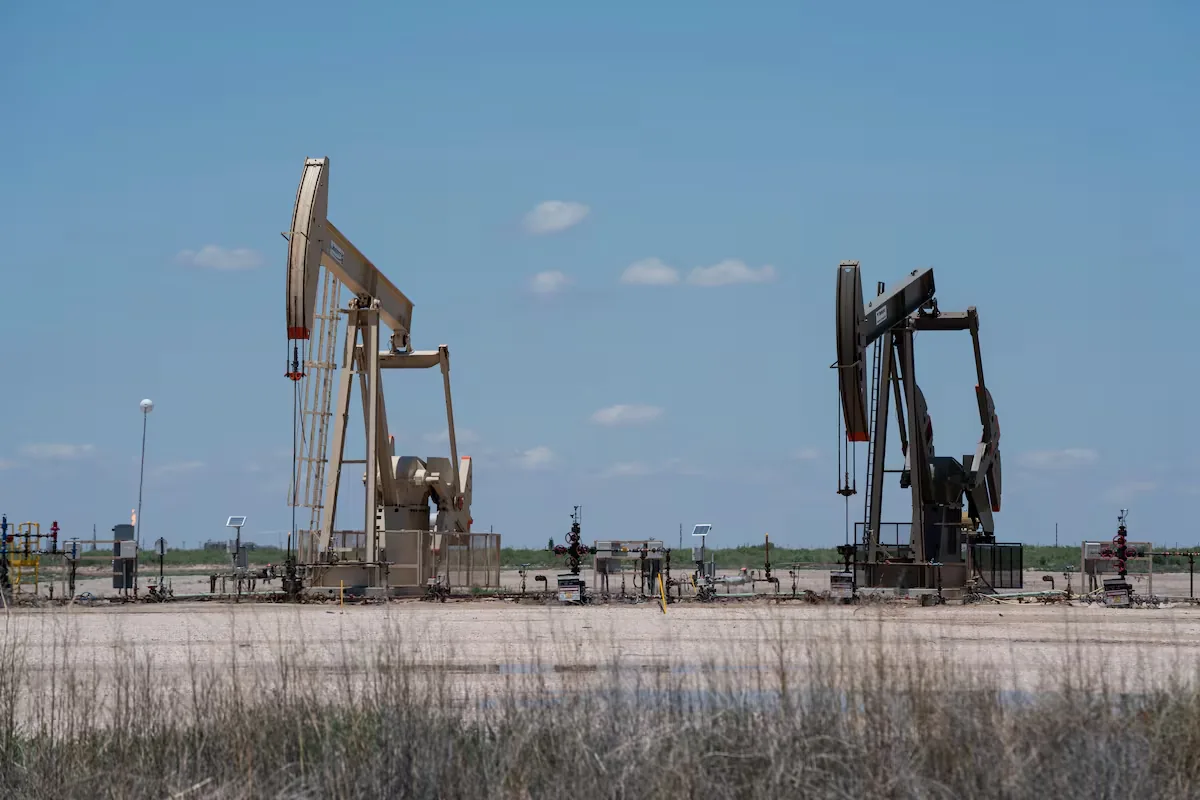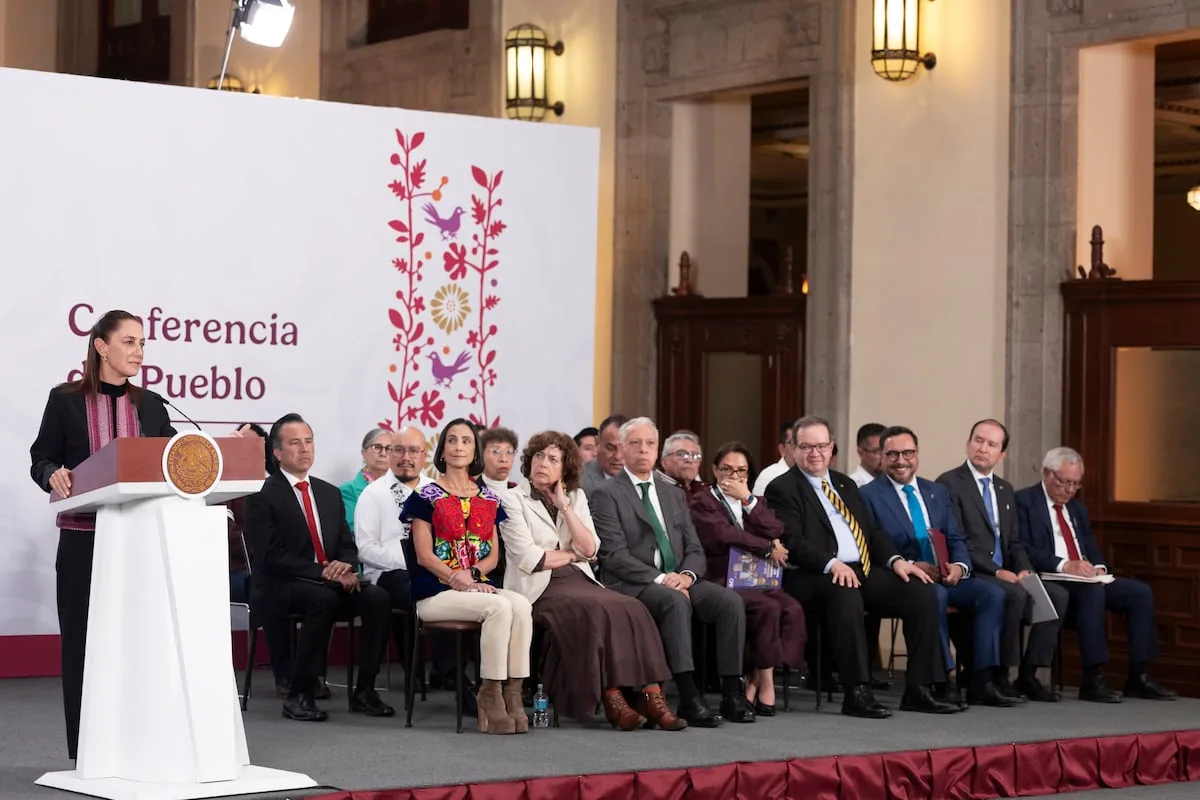









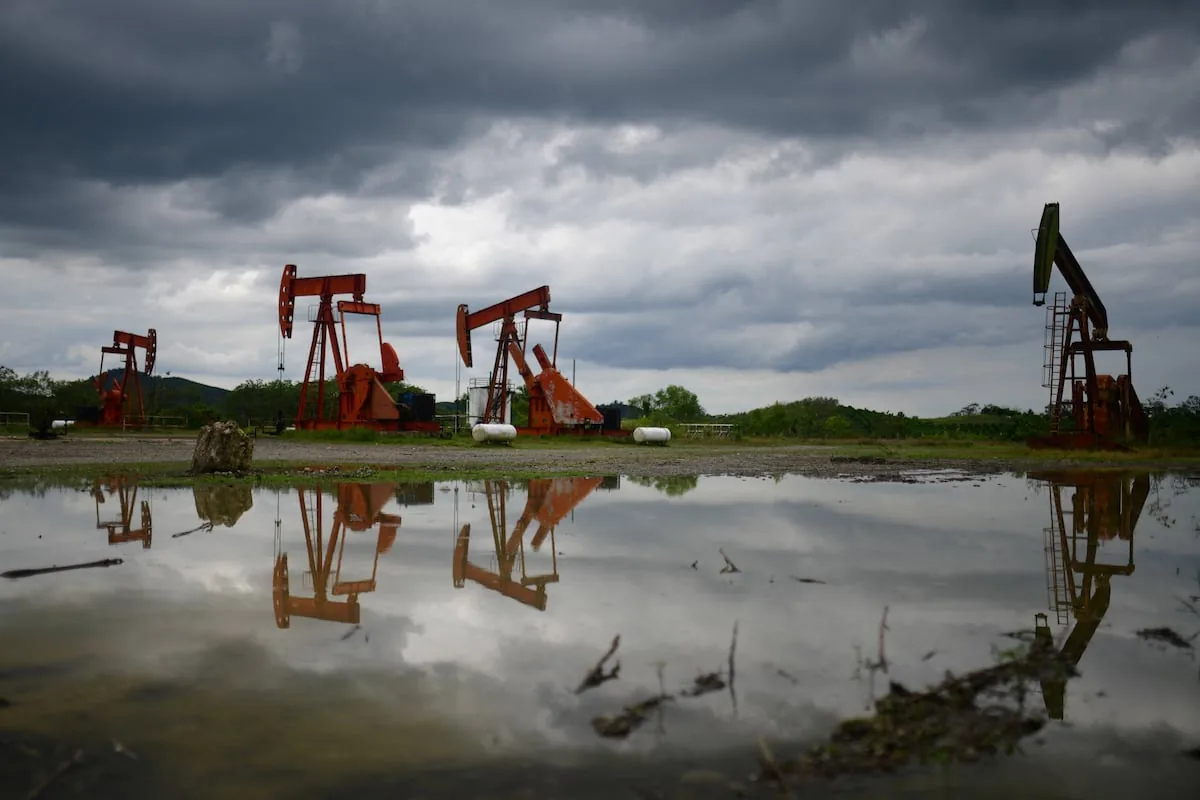
Mexico’s president, Claudia Sheinbaum, has taken the first step to extract natural gas through fracking in Mexico. The president presented this Wednesday the committee that will evaluate the feasibility of this technique in the country. A dozen researchers from the National Autonomous University of Mexico (UNAM), the Metropolitan Autonomous University (UAM), the National Polytechnic Institute (IPN), as well as the Mexican Petroleum Institute, among other centers, will be in charge of analyzing the federal Government’s roadmap. The members of this committee specialize in geology, waste management, water treatment, mineralogy and hydrocarbons, and other fields. “It is an unprecedented exercise. Scientists and academics will help us evaluate under what conditions it is feasible to exploit fracking,” the president said in her usual conference at the National Palace.
Read more The police arrest a man for shooting pellets at a school in Granada, injuring two minors
The task is for the specialists to present their first report in the next two months. The rector of the National Autonomous University of Mexico (Unam), Leonardo Lomelí, explained that the best effort will be made to calculate the costs and benefits to be able to take advantage of natural gas through fracking. “In the costs, social cost, environmental cost must be taken into account, keeping in mind the technologies that allow us to minimize these costs and the options to mitigate the costs. In line with the Executive, the head of Mexico’s main University defended the importance of energy sovereignty and not depending excessively on abroad, that is, on natural gas imports from the United States.
In a shift from Andrés Manuel López Obrador’s six-year term, Sheinbaum’s Government has opened the door to natural gas extraction through fracking, a method widely criticized worldwide by environmental groups due to the use of large volumes of water and toxic additives for hydraulic fracturing. In response to these criticisms, Sheinbaum has assured that this method will be carried out in the country with environmental criteria that guarantee the protection of the environment; therefore, the recommendations of this group of specialists, who will work for two months on this ambitious plan, will be taken into account. This first working group did not include personnel from the state-owned Pemex; the members of this committee have mainly worked in academia and research corridors.
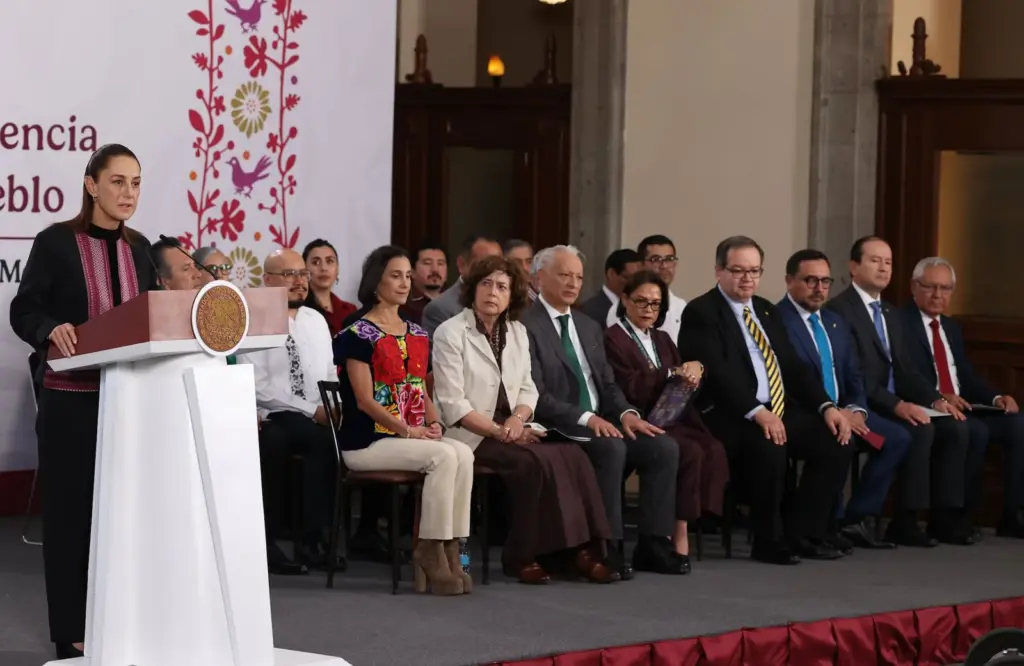
Questioned about the criticisms from groups regarding the environmental impacts of this technique, the president emphasized that fracking can now be considered because new technologies exist, which are less harmful to communities. “We are involving the best scientists in Mexico to tell us if, indeed, there are new technologies for the exploitation of unconventional gas and where it would be viable to exploit it and continue working with them so that they keep advising us,” she said. The president acknowledged that she opposed this technology for many years but changed her mind upon learning that new technologies exist.
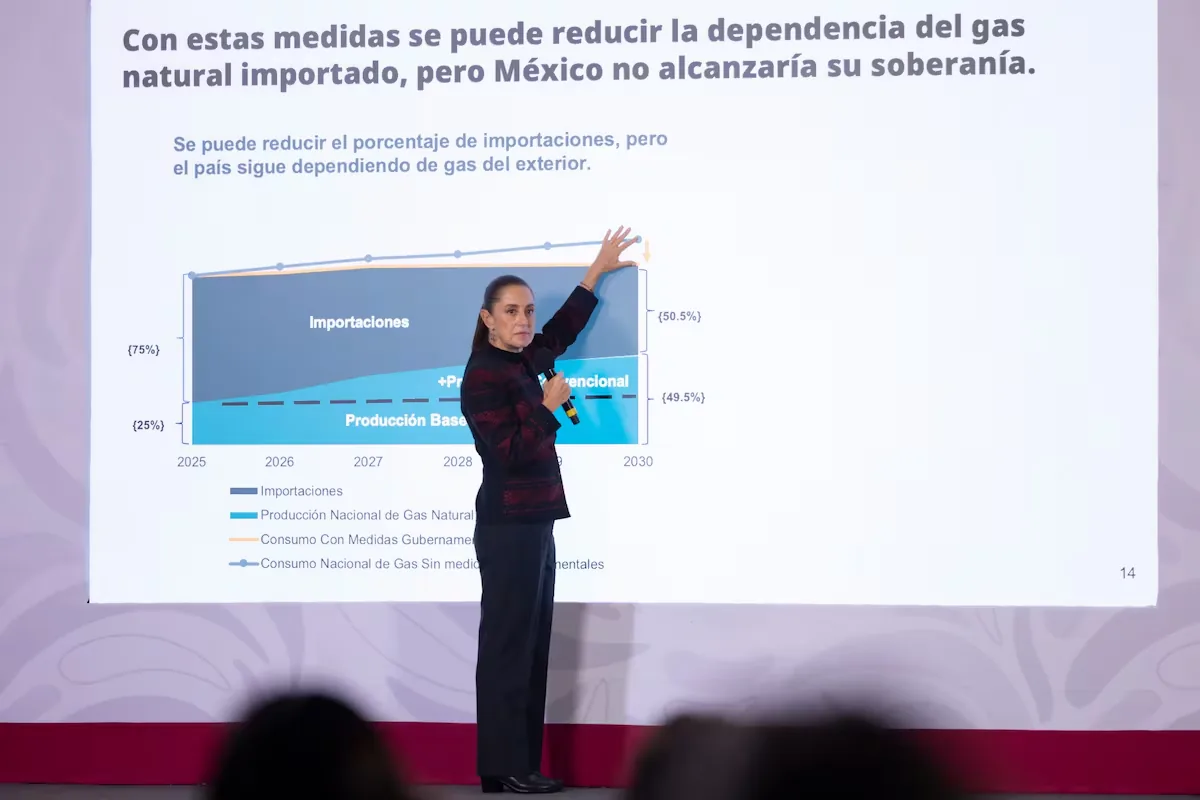
Hours before the presentation of this group of experts, the Mexican Alliance Against Fracking questioned the independence of this committee. Through a spokesperson, the collective warned about the risk that this group, far from presenting an independent evaluation, becomes a simulation, constituted to legitimize a decision already made from the National Palace. Despite these criticisms, the Government defends that the use of this technique is the best option to increase national natural gas production. Mexico currently consumes around 9,000 million cubic feet of natural gas daily, of which only 2,300 million are produced by Pemex, while the remaining 75% comes from abroad, mainly from the US.