







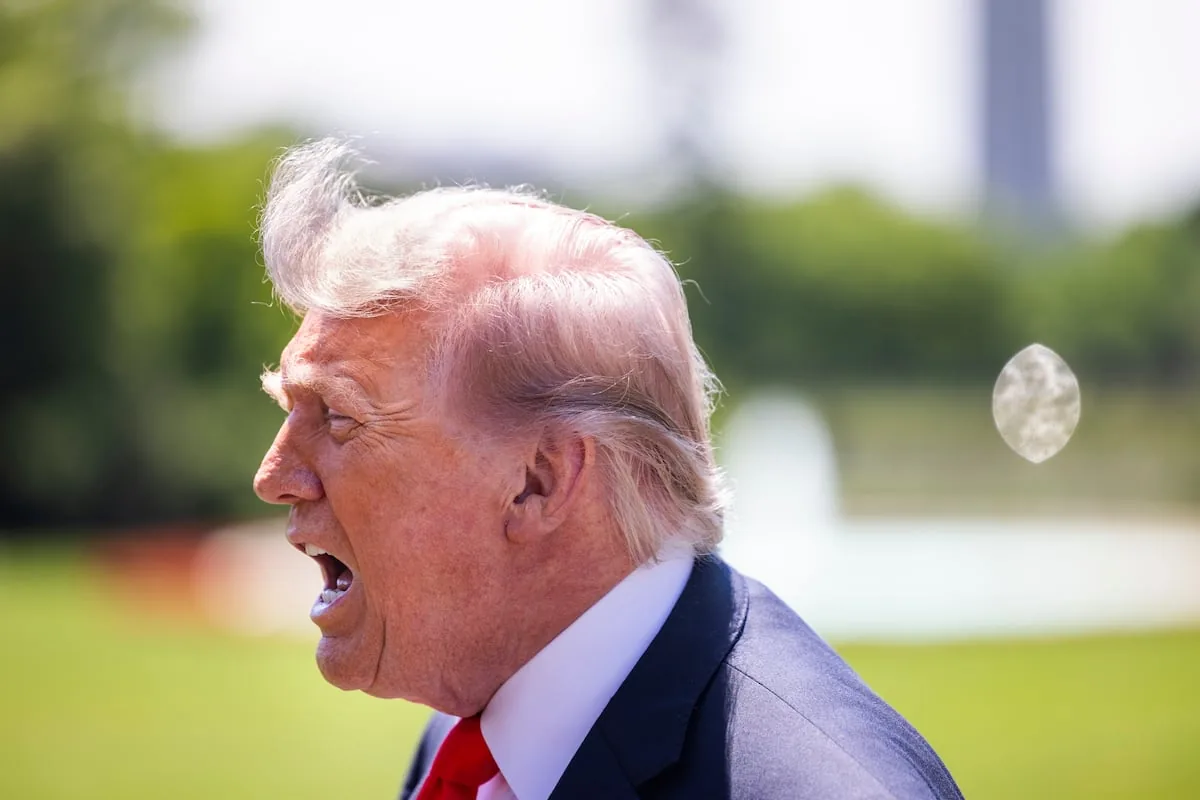
Bad news for Donald Trump, the US president, who this Friday has rejected Tehran’s new peace proposal and has opened the door for the conflict to intensify again. His war against Iran, very unpopular since the outbreak two months ago, is now as toxic as those in Iraq at their worst moment in 2006, or Vietnam in the seventies. This is indicated by polls as this Friday marks 60 days since, on March 2, the Republican government formally informed Congress of the start of hostilities on February 28.
Read more US blockade saturates Iran’s oil deposits and threatens to shut down wells
According to US legislation, upon reaching this deadline the Administration must ask Congress for permission to continue the war or, otherwise, end it. But the White House and Trump’s advisers have made it clear that they will do neither: they argue that the unstable ceasefire in place has stopped the 60-day clock.
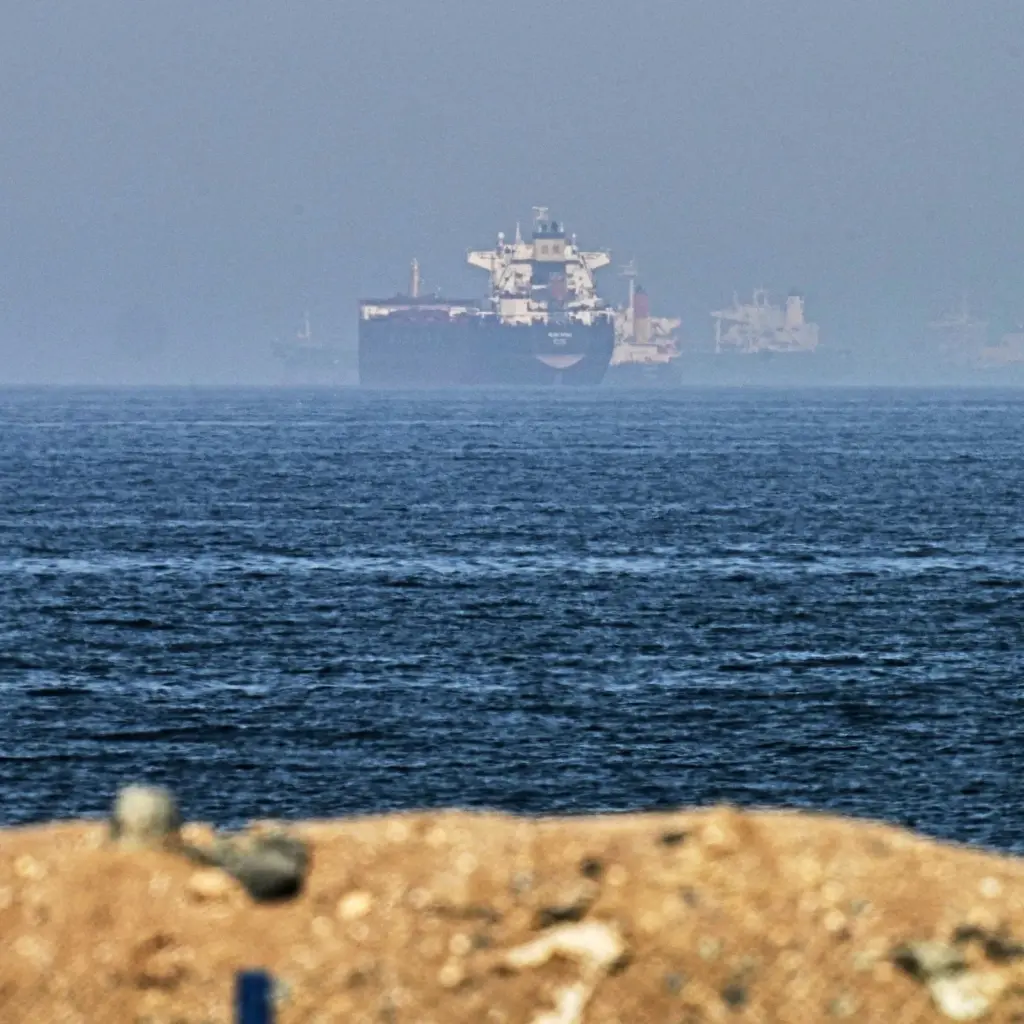
The war has entered its third month at an almost complete standstill since the ceasefire was declared on April 8. Iran has blocked the Strait of Hormuz since the beginning of the conflict, and the United States has imposed its own lockdown on Iranian ports during the ceasefire — an act of war. After the failure of the first round of negotiations between both parties in Islamabad (Pakistan) and the cancellation of the second, Tehran formally presented this Friday through the Pakistani mediators its third peace proposal, although it received the same response: a presidential no from Washington.
In his first reaction to the new Iranian proposal, Donald Trump gave no room for optimism: “[Tehran] wants to reach an agreement, but [what it proposes] does not satisfy me, so we will see what happens.” And he added: “They want to reach an agreement, but they are not there. They are not up to it: it’s as if they approach, but then a new group of people” comes in to negotiate. The Republican also stated that the theocratic regime is deeply fragmented, something that does not facilitate conversation, in remarks made in the White House gardens as he was about to travel to Florida, where he will spend the weekend.
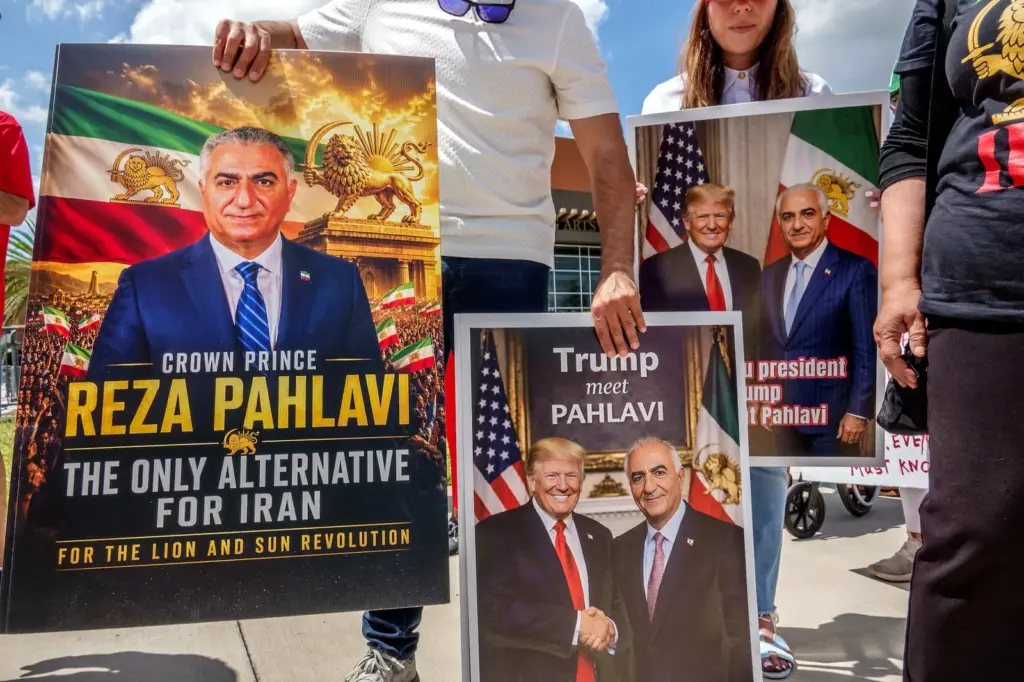
According to the president, Iran “is asking for things” that he cannot agree with. He did not specify which, but throughout the talks in this conflict and in previous negotiation rounds — and in contacts with the administrations of the first Trump and Democrat Joe Biden — Tehran has always demanded the lifting of international sanctions in exchange for any concession on its part.
Trump also assured that negotiations continue, although not in person, but by phone. The US president stated in previous days that it makes no sense to travel to Islamabad, where the first round of negotiations of this war was held. He also highlighted that the conflict will be resolved in two possible ways: “Either we blow them up or we reach an agreement.”
The Republican met on Thursday with General Brad Cooper, head of the US Central Command, to examine possible military options to try to pressure Tehran to accept US conditions and give up its nuclear program. But the theocratic regime shows no signs of yielding, nor do analysts believe the armed force will make it change its position. In this context, the Republican defended the US blockade of Hormuz: “It has been incredibly powerful. Something incredible. If we withdrew right now, we would have achieved a great victory. But we are not going to do it.”
Read more ‘Medea’ and ‘Feos’: stories of three unfortunate people to whom everything is an enemy
As the war drags on, a poll published by The Washington Post and the ABC television network reveals that 61% of Americans think that resorting to military force against Iran was a mistake, a figure similar to the 59% who in May 2006 considered the Iraq war a mistake. In 1971, another Gallup poll indicated that 60% of respondents had the same opinion about the conflict then being fought in Vietnam.
Opinions are clearly divided according to the party or political view of those surveyed. 79% of those who identify as Republicans consider the war a good idea. In contrast, nine out of ten Democrats believe it has been a disastrous decision, an opinion shared by 71% of independents and only 19% of Republicans. Another similar survey published by Reuters earlier this week indicated that only 34% of voters support the war, compared to 38% in the early days of bombings.
Legal deadline for combat expires
The poll is published on the day that marks 60 days since the government formally informed Congress of the start of hostilities. US legislation requires the Administration to request permission from the Legislature to continue them at the end of that period, or to end the conflict. The White House and its advisers have made it clear that they do not feel bound by that rule, and argue that the war ended when the ceasefire of April 8 was approved, which Trump initially declared would last a couple of weeks, but then ended up extending sine die.
A senior Trump Administration official, who spoke on condition of anonymity, emphasized this Friday that “the hostilities that began on Saturday, February 28 have ended,” as far as that law is concerned. He also highlighted that since the entry into force of the ceasefire agreed in extremis, when the deadline the US president had set for bombing civilian facilities in Iran expired, no incident has occurred in which the two adversaries exchanged fire.
The Democratic opposition denies the government’s interpretation. So does Republican Senator Susan Collins, who on Thursday joined the rival party’s caucus to vote in favor of a resolution — defeated in the Senate — to prevent Trump from continuing the war in Iran. “The [60-day] deadline is not a suggestion, it is a requirement,” Collins pointed out. “The continuation of military actions against Iran must have a clear mission, achievable objectives, and a defined strategy to end the conflict.”
Read more Sinner, as always, reaches another final and points: he, the absolute dominator of this spring