








The United States faces a dilemma regarding Iran. Determined to project an image of strength, it maintains its pressure on the adversary in the Strait of Hormuz. However, unwilling to enter new hostilities at the moment, it takes a cautious approach to the actions of its enemy in the area and assures that, despite Iranian missile launches, the fragile ceasefire agreed upon almost a month ago remains in place. Both Washington and Tehran claim, each on their own side, that their forces control this strategic bottleneck and that the other has no chance of prevailing.
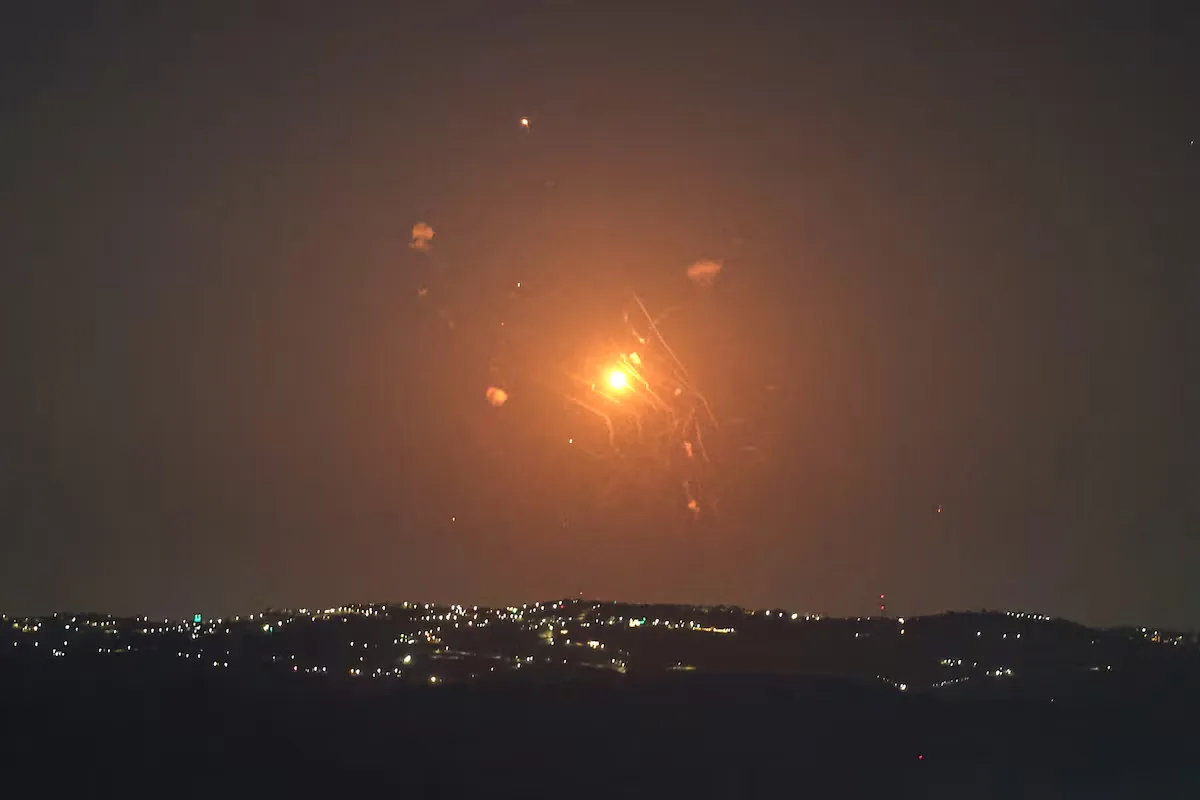
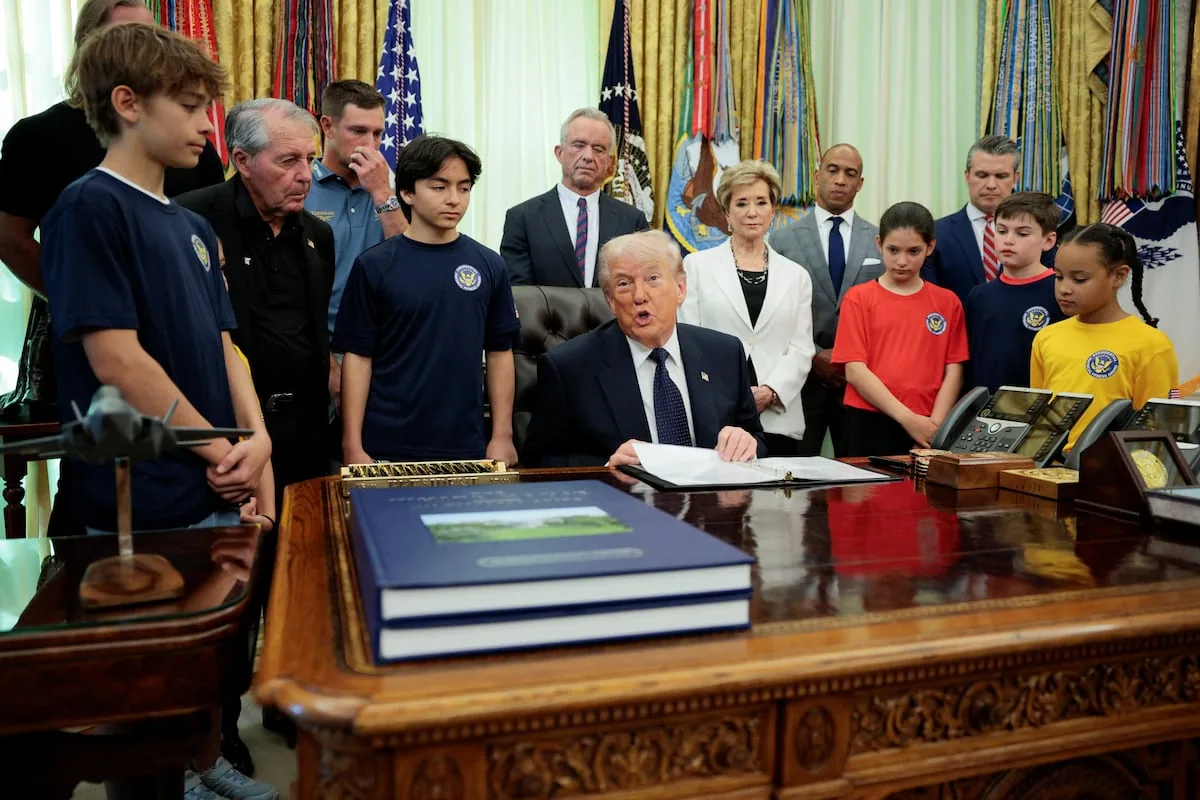
Iran “knows what it has to do, but more importantly, it knows what it must not do” to violate the ceasefire that has been in effect since April 8, President Donald Trump said this Tuesday from the Oval Office, while in the Gulf, the United Arab Emirates reported that its defense systems had to intervene to intercept missiles and drones coming from Iran. A day earlier, that Gulf monarchy had also warned of a whole barrage of projectiles from its neighbor and adversary. Tehran also fired on Monday to thwart the U.S. attempt to break the blockade in the strait, the mission the United States calls Project Liberty.
1,550 merchant ships trapped
With this operation, the United States seeks to free more than 1,550 merchant vessels and 22,000 sailors from allied or neutral countries who, according to yesterday’s Pentagon data, remain trapped in the Persian Gulf due to the war, and whose living conditions are deteriorating as the conflict continues without signs of an agreement to reopen the strategic maritime crossing, despite Trump’s repeated insistence that the talks under Pakistan’s mediation “are going very well” and that Iran wants to reach a deal.
But it is not just about freeing the ships themselves. It is also a psychological war, in which each side wants to demonstrate that it dominates the strait and therefore holds the winning card in this game, while avoiding an escalation that could lead to a resumption of attacks—something that neither side wants at present. Neither Iran wants to receive new bombings nor does the Trump Administration have much appetite to continue a war that has depleted its arsenals, driven up fuel prices, and tanked presidential popularity.
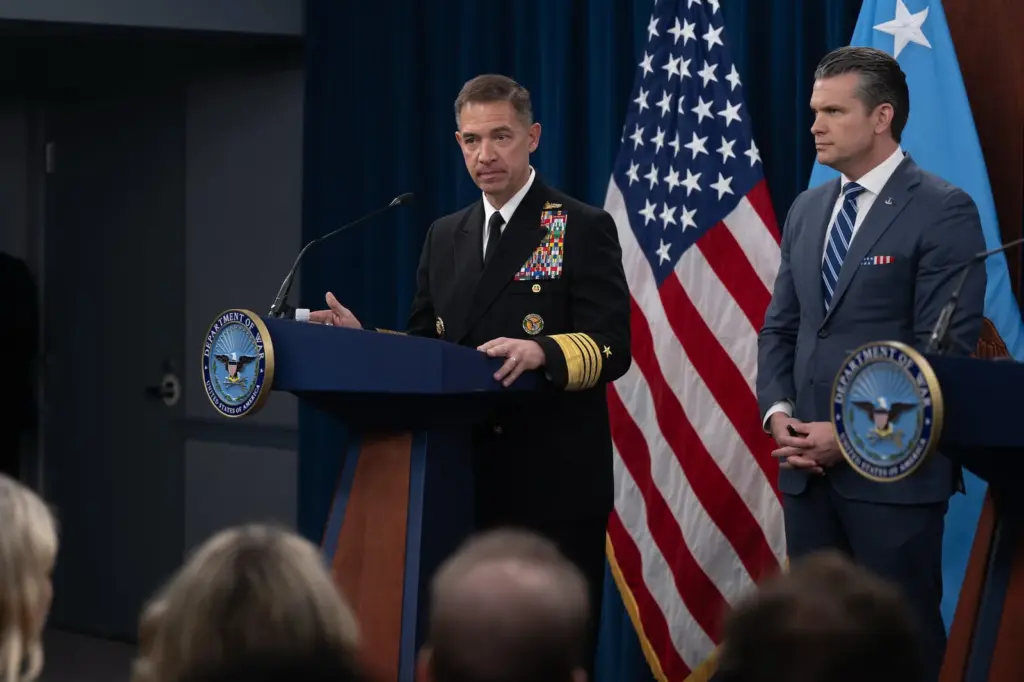
The Iranians “do not control the strait,” said Defense Secretary Pete Hegseth early Tuesday morning at a Pentagon press conference alongside Joint Chiefs Chairman Dan Caine. Iran “is clinging to a burning nail,” added the top U.S. military commander. But from the White House, Trump clarified: “We don’t want to go and kill people. I don’t want to. It’s too tough.” He insisted on demanding that Iran accept U.S. conditions—especially to give up its nuclear program—and sign a peace agreement. “They should wave the white flag, the white flag of surrender,” the president maintained.
Both sides have cards to play. The United States blocks ships coming from Iranian ports. “Our blockade is working, it’s like a steel barrier,” Trump boasted this Tuesday. “No one is going to challenge it.” But Iran clearly maintains its ability to limit access through the maritime bottleneck it has imposed since the start of the war. And its attacks over the last two days, with fast boats and drones, make it clear that the United States does not dominate the strait, even if it boasts that it has already managed to get two ships out of the predicament. Although Trump, as he pointed out this Tuesday in the Oval Office, considers that Iranian boats only fire “birdshot.”
Iran, for its part, has expanded the area it blocks to also include the United Arab Emirates in its siege, due to the “close cooperation of the United Arab Emirates with Israel and the United States against Iran,” the regime announced through its media. Tehran proclaims that it has extended the scope of its sovereignty in the Strait of Hormuz with the aim of preventing the export of Emirati oil through the Habshan-Fujairah pipeline, and has declared that “the United Arab Emirates is under naval blockade by Iran,” reports Ali Falahi.
It is also emphasized that “the port of Fujairah, from which up to one and a half million barrels of oil per day are exported, is currently within the scope of Iranian sovereignty in the Strait of Hormuz,” and it adds that “all tankers wishing to transport Emirati oil must obtain authorization from Iran.” It also states that “the enemy wanted to destroy the axis of resistance, but it will be the Abraham Accords that will end up collapsing,” referring to the peace pact signed between that Gulf Arab monarchy and Israel.
New details on Project Liberty
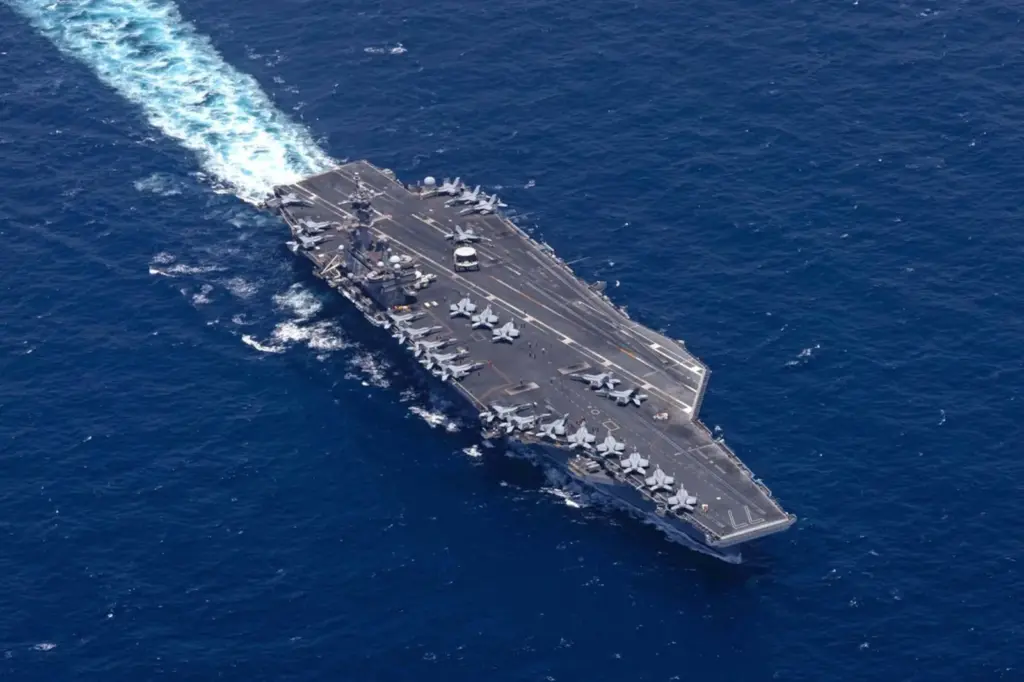
The Pentagon provided new details this Tuesday about Project Liberty, which the United States describes as a partly diplomatic and partly military operation. According to Caine, it involves guided missile destroyers, as well as about a hundred fighter jets and 15,000 soldiers.
These forces will not need to enter Iranian waters or airspace, Hegseth clarified. Merchant ships escorted by U.S. troops “will see, hear, and frankly feel our military power around them, at sea, in the air, and by radio,” said the Joint Chiefs chairman, who confirmed that U.S.-flagged merchant ships have already transited the area this Tuesday, and “we expect more to transit in the coming days further north of the Gulf.”
The Pentagon chief also specified that the operation will be temporary in any case. And the United States expects the rest of the world to eventually take on the task of ensuring the free flow of trade through this strategic passage, through which 20% of the world’s gas and oil and one-third of fertilizers and other basic products for the global economy pass.