








China responded harshly this Friday to the accusations of the U.S. president, Donald Trump, who suggested the day before, in a speech to the nation, that Beijing tried to influence the 2020 presidential elections to prevent his reelection. The Chinese Ministry of Foreign Affairs has called these claims “pure invention” and “malicious defamation,” and has urged Washington to stop using the Asian giant as an argument in its internal political disputes.
Read more Germany proposes that an EU peace force replace the UN mission in Lebanon
“China has always adhered to the principle of non-interference in the internal affairs of other countries. It has no interest in U.S. elections and has never interfered in them,” said Foreign Ministry spokesperson Lin Jian during the daily press conference organized by the ministry.
Those accusations, he added, “have long been proven to be complete nonsense.” Lin asked the United States to “reflect on its own actions,” stop “defaming China without basis,” and contribute to stabilizing bilateral ties: “We urge the U.S. side to take more actions that benefit China-U.S. relations.”
Trump made the accusations during a televised speech from the White House on Thursday night, which focused on election security. The U.S. president claimed that China illicitly obtained information on about 220 million U.S. voters in 2020, which he called “the largest leak of electoral data in history,” and asserted that Beijing had tried to prevent his reelection because they considered him “too smart” and their authorities feared he would impose new tariffs. He also accused members of U.S. intelligence services of having concealed information about these alleged activities.
The declassified documents cited by Trump, however, do not prove that China altered votes or manipulated the results. In fact, a U.S. intelligence assessment published in 2021 concluded that no foreign actor had intervened in the technical aspects of the elections, such as ballots or counting. The information released, however, does refer to Chinese activities of data collection on U.S. politics and the electorate, but does not prove manipulation of the electoral process.
Trump has revived his complaints about the 2020 elections — in which Democrat Joe Biden beat him by seven million votes — less than four months before the midterm legislative elections, known as midterms, in which Republicans could lose control of one or both chambers of Congress.
The U.S. president used his moment addressing the nation to pressure Republicans to pass an ambitious electoral reform called the SAVE America Act, which would tighten identification and citizenship requirements for voting, and which has so far been blocked by Democratic opposition in the Senate.
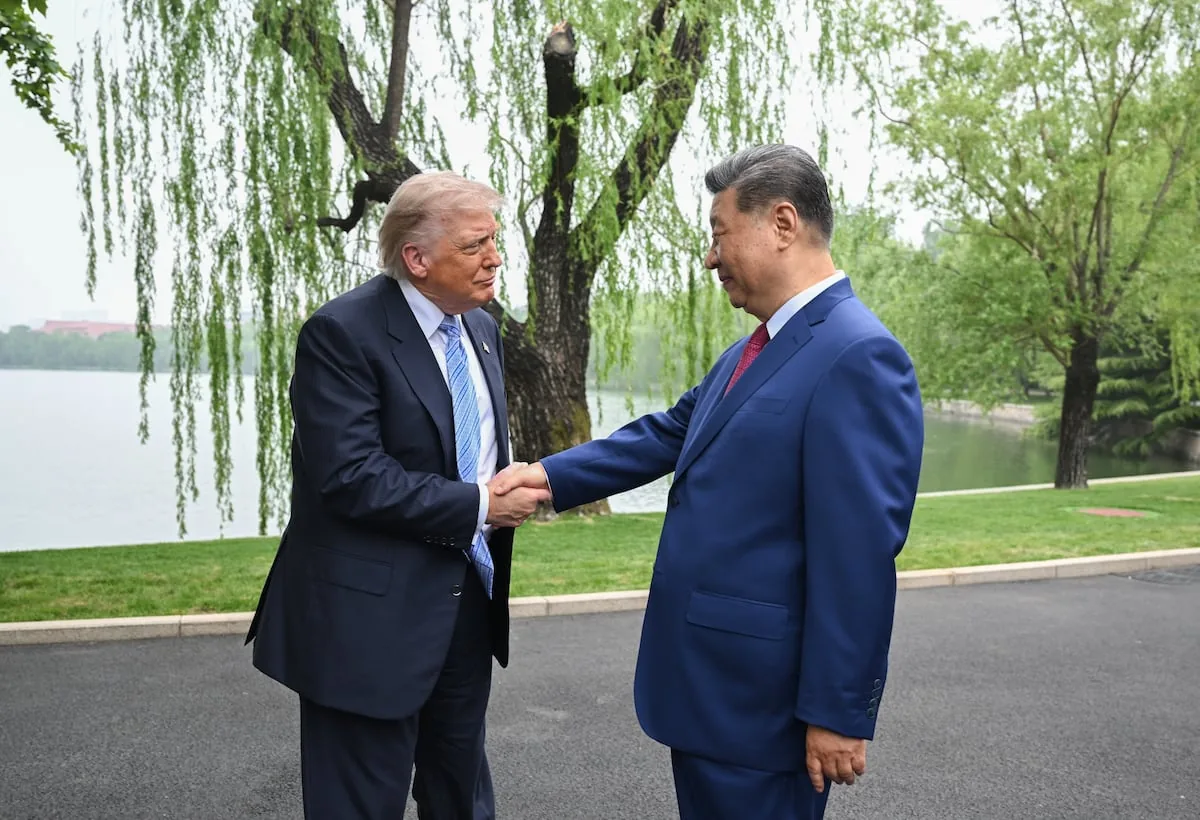
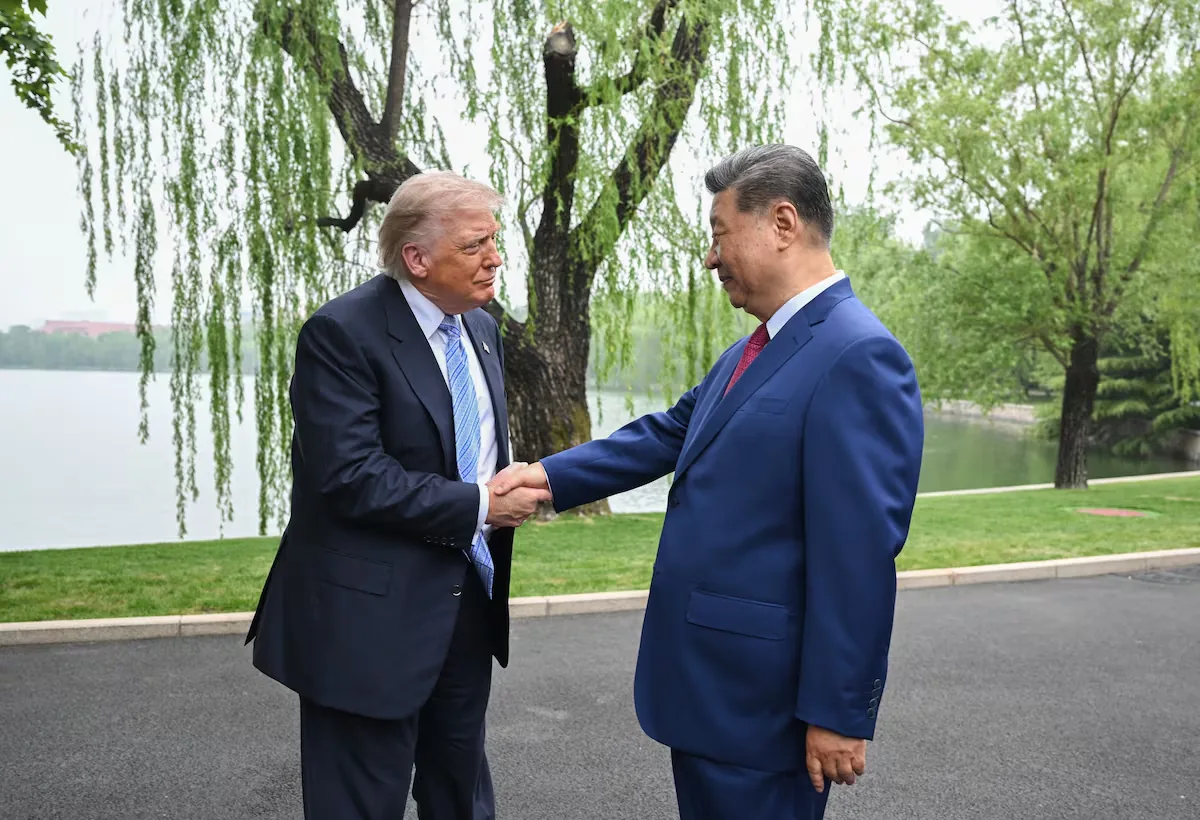
The tone used against China contrasts with the treatment Trump has given to his Chinese counterpart, Xi Jinping, in recent months. During his state visit to Beijing in May, Trump lavished praise on his host, whom he called “friend” and “great leader,” and highlighted the personal relationship they maintain. Although the summit did not produce major agreements, it helped reduce tension after the 2025 tariff war and reinforced the idea that the relationship between the two largest powers on the planet should be managed through direct contact between the two leaders.
That dialogue should continue in September in Washington. Trump invited Xi to visit the United States on the 24th, although the Chinese government has not yet publicly confirmed the trip. Beijing has conveyed to the Republican administration that holding future meetings will depend on maintaining a favorable climate between the two countries, according to sources familiar with the talks cited by Reuters.
The September meeting presents an opportunity to advance the trade negotiations left pending in May and address other points of friction, from Taiwan to technological restrictions.
The schedule also offers another chance for both leaders to meet face to face again before the end of the year. Trump is considering attending the Asia-Pacific Economic Cooperation (APEC) summit in November, which will be held in Shenzhen, southern China. Thus, a sequence of reciprocal visits is taking shape with which Washington and Beijing try to contain a rivalry still marked by deep strategic differences. However, Trump’s recent accusations now introduce a new factor of tension into this delicate rapprochement.