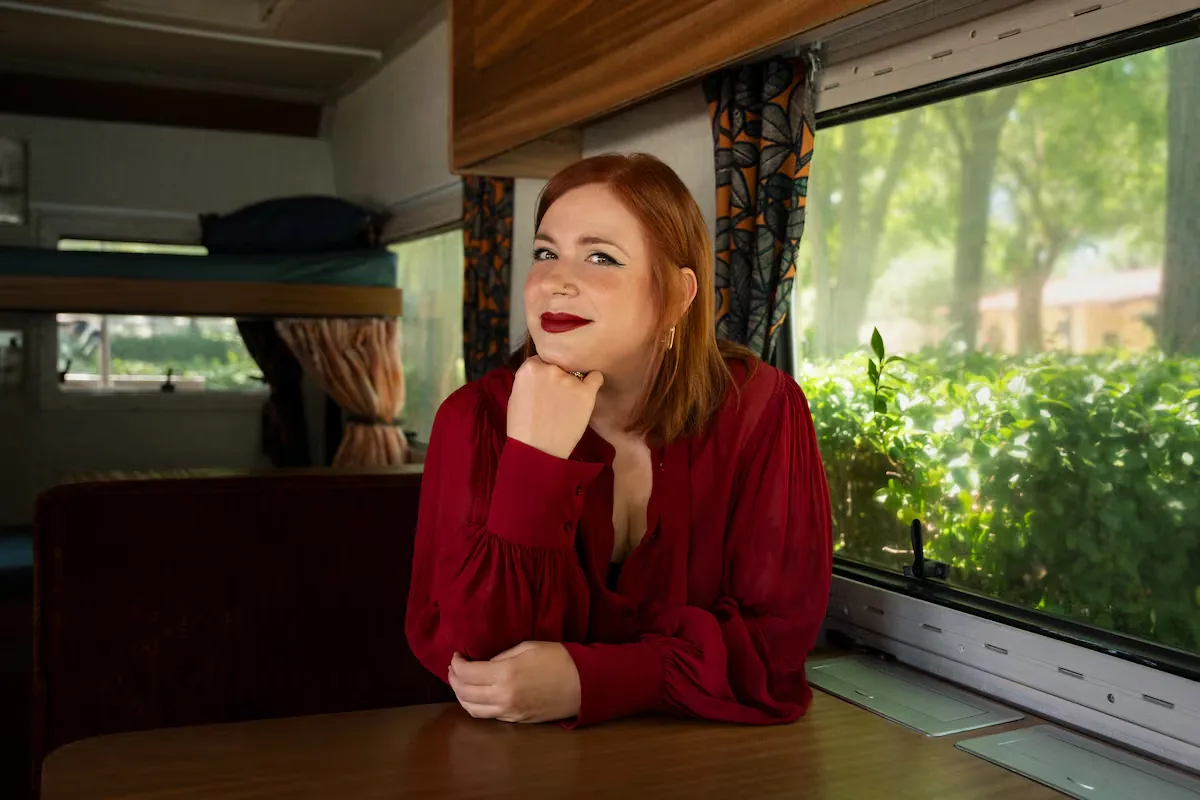
The adaptations that Netflix has produced of Elísabet Benavent’s novels do not need big stars in their cast for promotion: the star is Elísabet Benavent herself. With more than five million copies sold and over 25 books published in just over a decade, Elísabet Benavent’s story (Gandía, Valencia, 42 years old) is undoubtedly a success story. “If I’m completely honest, I think I got lucky with Valeria. Sometimes you have to admit you were in the right place at the right time,” she says in a video call interview at the end of July. En los zapatos de Valeria was the first book she self-published before a publisher contacted her to sign her. And Valeria was also the first series Netflix made based on her novels.
Read more When 100,000 adults dress as Disney princesses: D23 showers Southern California with millions
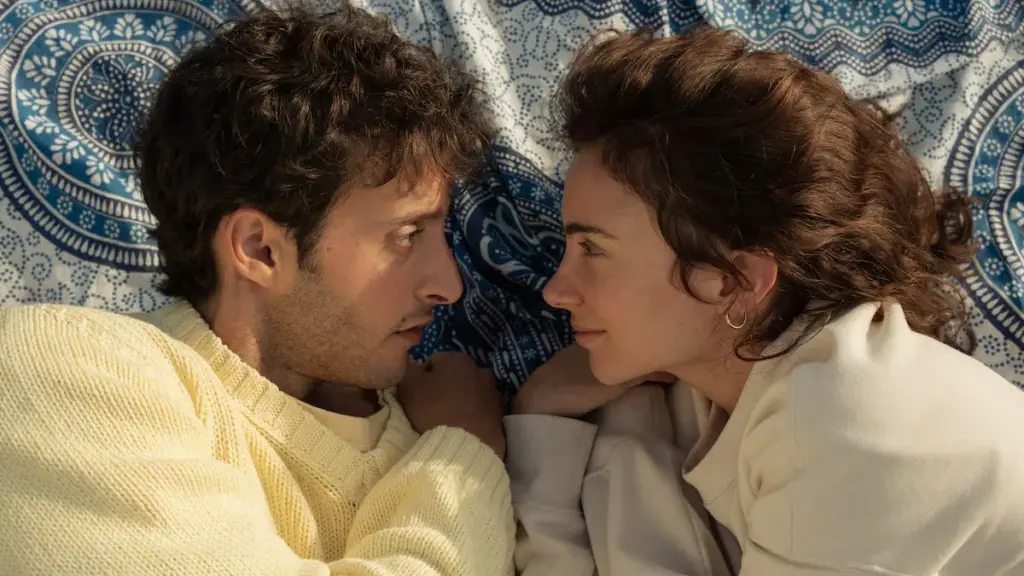
Toda la verdad de mis mentiras, which premieres on Friday, August 28, is the fourth adaptation for the platform of a story written by Benavent. Because after Valeria, which lasted four seasons, came the movie Fuimos canciones and the miniseries Un cuento perfecto. The new story takes place on a friends’ caravan trip to celebrate one of their bachelorette parties, centering on the relationship between Coco and Marín, friends and roommates for years. Itziar Manero, Daniel Ibáñez, Lucía de la Fuente, Clara Sans, Brays Efe, and Ricardo Gómez play that group of friends. “It’s a series that brings us the most practical memories of our summers, that sounds like cicadas at a camping site and smells like sea and sunscreen,” describes Benavent. Because this peculiar road trip will take its protagonists to a camping site, where their contradictions and the lies they hide to maintain the status quo will come to light.
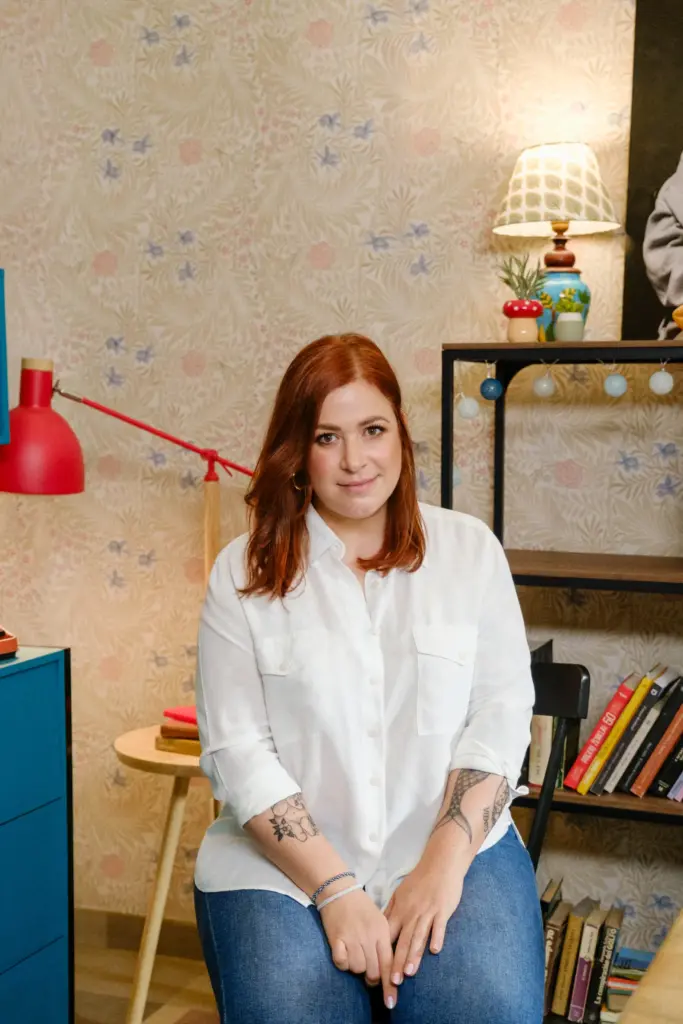
As in previous occasions, Benavent acts as executive producer of the miniseries, something she says she is still trying to learn what it means. “For me, it is participating in the project knowing what my tools and limitations are. Although I have audiovisual training, I have never practiced it and I have to admit the extent of my knowledge.” Therefore, although she participates in all processes and all decision-making, she leaves the writing of the series in the hands of the screenwriters Marina Pérez and Montaña Marchena, with whom she has worked on every adaptation since the second season of Valeria.
Romantic novel adaptations to television are currently experiencing a golden moment and are one of the platforms’ major bets to attract and retain viewers. “I hear a lot that romance is in a good moment, but romance has never been in a bad moment,” says Benavent. “Platforms are now giving it more visibility, just as mystery, thrillers, or noir novels have been given before. Literature and audiovisual production have a very close relationship based on win win, because some need content and others, readers. I think it’s a very symbiotic relationship where everyone wins.” However, the fact that her books are becoming series has not changed her way of writing. “That would pervert the writing process. One thing often said in audiovisual, and that authors get very annoyed hearing, but it’s true, is that paper holds everything, but an audiovisual production has other needs and limitations. And I’m not going to clip my wings when I’m writing,” she explains.
She knows her reading audience well through social media contact and also through book signings. That’s why she knows that although it is mostly female, more and more men are approaching her signings or that she can hook three generations of the same family. She also knows that only 3% of the audience watching her series are readers of her books, so the remaining 97% are potential readers. She assures that her books see a sales boost thanks to the TV releases, especially in the weeks before the premiere. Additionally, the series have opened doors for her in other countries where her novels had not yet been translated, such as the Italian, French, or Anglo-Saxon markets.
Read more Robert Crumb, the leap to the stage
Benavent proudly waves the flag of romantic comedy, a genre she has no plans to abandon despite being considered second-rate literature in some circles. “In any artistic discipline, that division between high and low culture has been seen. Consumer culture is associated with poor quality: if you sell more than X copies, it’s consumer literature and therefore of poor quality. I write entertainment, and I’m proud of that; there is absolutely nothing wrong with writing to entertain. I am a victim of prejudice, and I don’t know if the reason is because historically it has been linked to being a genre by and for women, as if there were a consumption ghetto, or if it’s because everything related to love has been labeled frivolous. That needs some thought, because love is one of the great universal themes of literature since it began.” And to anyone who thinks romantic comedy is frivolous or silly content, she invites them to read Nora Ephron, “a brilliant example that romantic comedy can approach many things that are neither silly nor frivolous by any means.”
Has she felt rejected in some circles for writing romantic literature? “I have felt condescension, paternalism, like ‘oh, the girl who writes love stories…’. And I’m 42 years old, I’d like to be younger because of crow’s feet, fluid retention, and back pain. Otherwise, I’m very comfortable with my age. It usually comes from men; my experience with women in literature is that we respect each other a lot, there is a lot of camaraderie. I have also felt it in the press. I have had to answer questions like: ‘what does your father think about what you write?’, ‘is it hard to find a partner writing what you write?’, ‘why do your characters talk like men?’… I have a lot of faith that the next generation won’t have so many problems,” she reflects.
Another label often associated with her work, which Benavent completely rejects, is guilty pleasure. “My only guilty pleasure is drinking the olive brine, which doesn’t agree with me. The only guilty pleasure is one that harms you. But liking a certain cultural product, liking to sing Paulina Rubio, Thalía, Raúl, and David Civera at the top of your lungs, I see nothing wrong with that. There is cultural classism. It’s like ‘I do this, but I do it as a guilty pleasure, because normally Dostoevsky doesn’t move me.’ You have to relax more,” she says ironically.
The next challenge she would like to face is writing an original script, a series or a movie that is not an adaptation. “Every year I say, ‘I’m going to sign up for classes,’ but every year something comes up that I can’t say no to and I keep postponing it.” Meanwhile, she tries to learn self-taught with books on scriptwriting. “I would love to find time, but I am the architect of my own misfortune, and if I don’t find it, it’s because I hide it from myself.”
Read more The ethical turn: how to change savage capitalism from within to do good
Premieres of the week
Check the full schedule
Linternas
HBO Max
Premiere
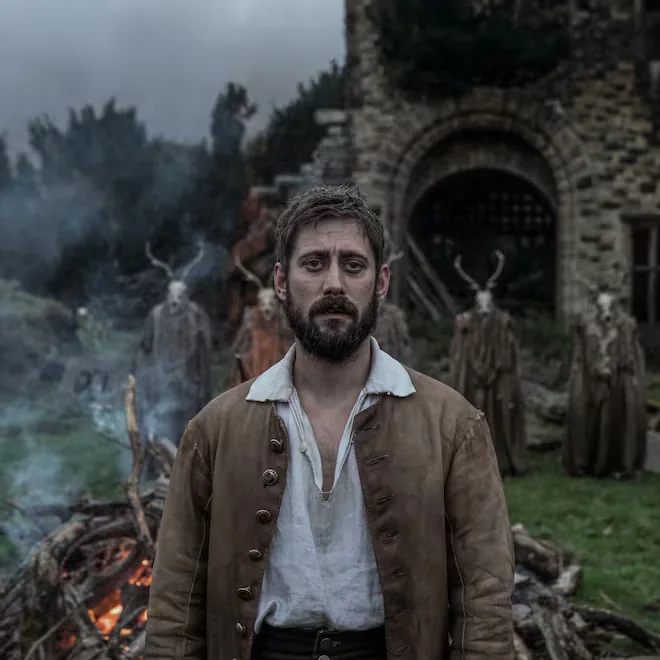
El patíbulo
Filmin
Premiere
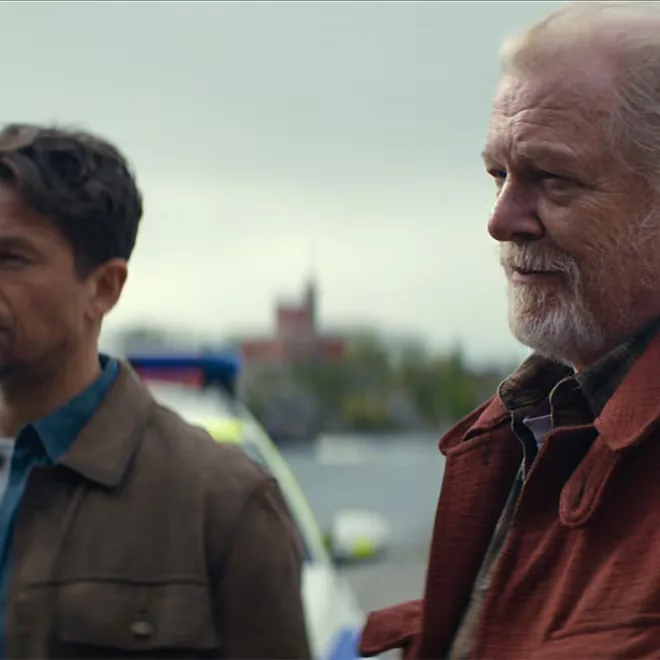
Sacrificio de sangre
Netflix
Premiere
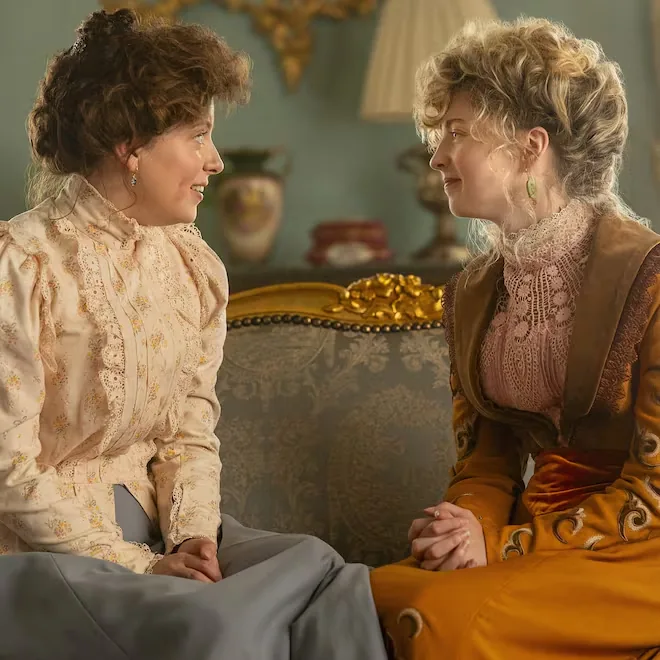
Los Hardacre
Movistar Plus
Season 2
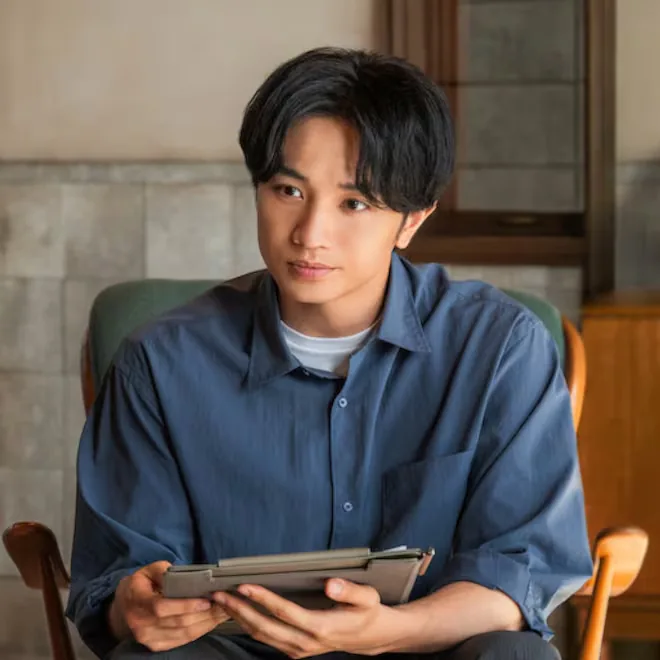
S&X
Netflix
Premiere
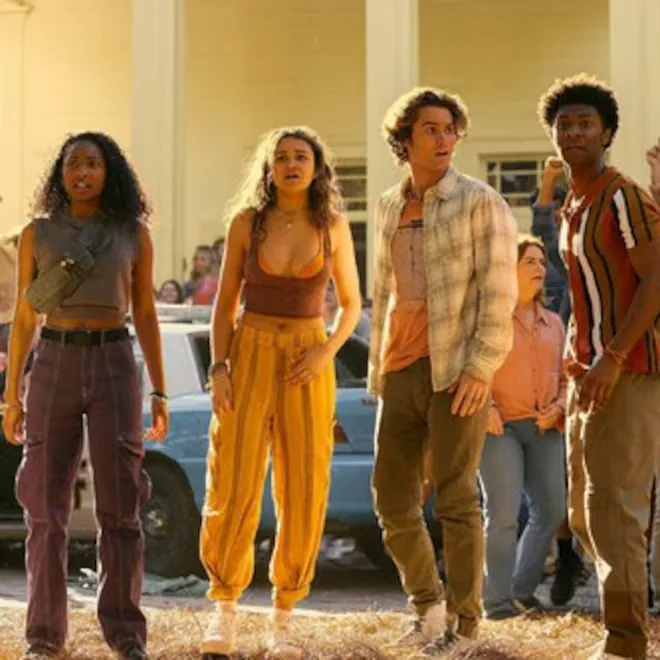
Outer Banks
Netflix
Season 5 (and final)