







Wars today are not fought or won only on the battlefield. Cyberspace also constitutes a key arena both as a frontline and as a propaganda space, where organizations like Iran’s Revolutionary Guard have demonstrated a great capacity to spread terrorist content. In a coordinated action with 19 countries, including Spain, Europol has carried out an operation in recent months that has dismantled the online presence of this key group in protecting the Islamic regime and which, since February, has been on the EU’s blacklist of terrorist organizations.
Among the main actions is the blocking in the EU of the Revolutionary Guard’s main account on X, which has more than 150,000 followers. Likewise, “thousands more links on various platforms have been removed or are being investigated and taken down,” according to the European Union Agency for Law Enforcement Cooperation (Europol).
The operation, carried out between February 13 and April 28 — that is, before the United States and Israel launched the first attacks against Iran on February 28, which triggered the new unresolved conflict in the Middle East — has allowed the removal of a total of 14,200 posts linked to the Revolutionary Guard, already officially designated as a terrorist organization by the EU. “This designation allows law enforcement to take action against the activities of its members and the entities that support them in the EU,” Europol recalls in a statement.
The action against the online terrorist propaganda of the Iranian parallel army, which since the start of the new conflict has been gaining increasing strength within Tehran’s repressive regime, involved 19 countries, 16 EU members including Spain. Bosnia-Herzegovina, Ukraine, and the United States also participated. All worked in “synchronized phases,” under Europol coordination, to collect information, verify targets, and report illegal content to the companies used for its dissemination, which were many: the main social media platforms, as well as streaming services, blog hosting sites, and independent web pages, according to the European agency.
Artificial Intelligence
The propaganda, ranging from “speeches mixing narratives about religious martyrdom with heavily charged political messages to AI-generated videos glorifying the Islamic Revolutionary Guard Corps (IRGC) and calling to avenge Ayatollah Ali Khamenei” — killed on the first day of the conflict — was spread in various languages, including Arabic, Indonesian, English, French, Persian, and Spanish.
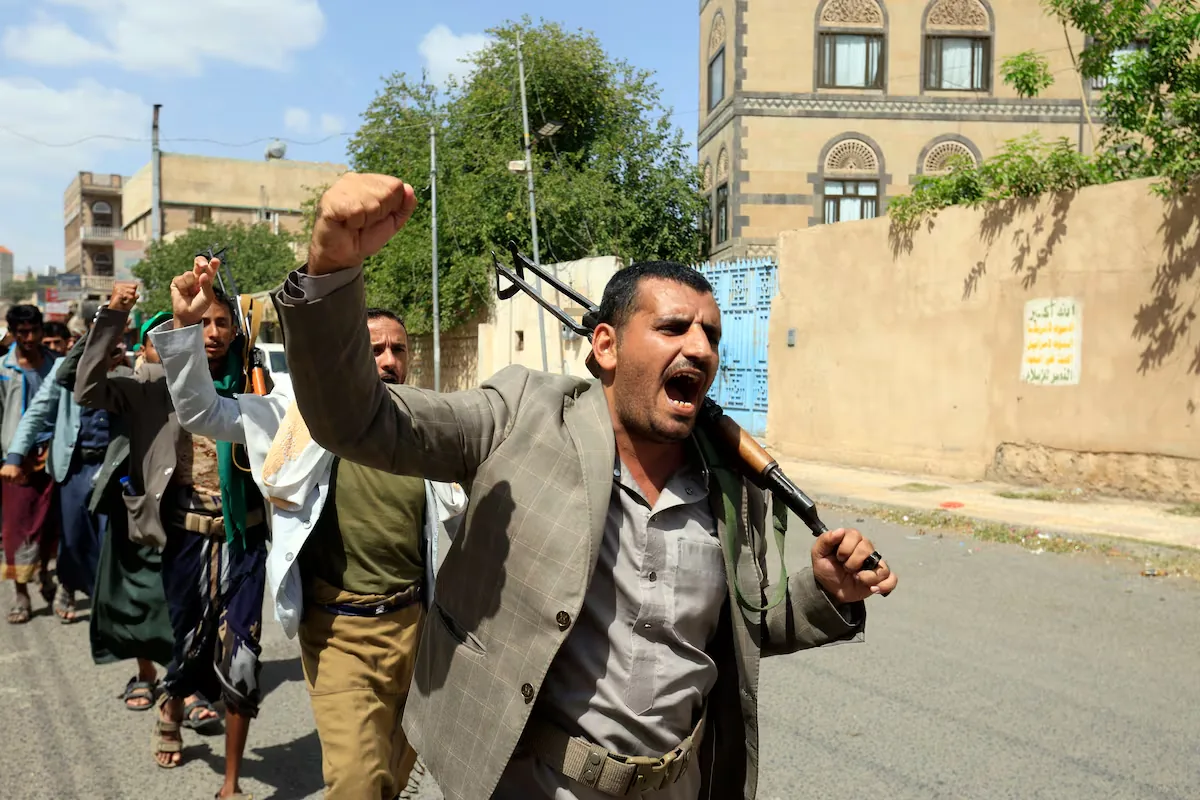
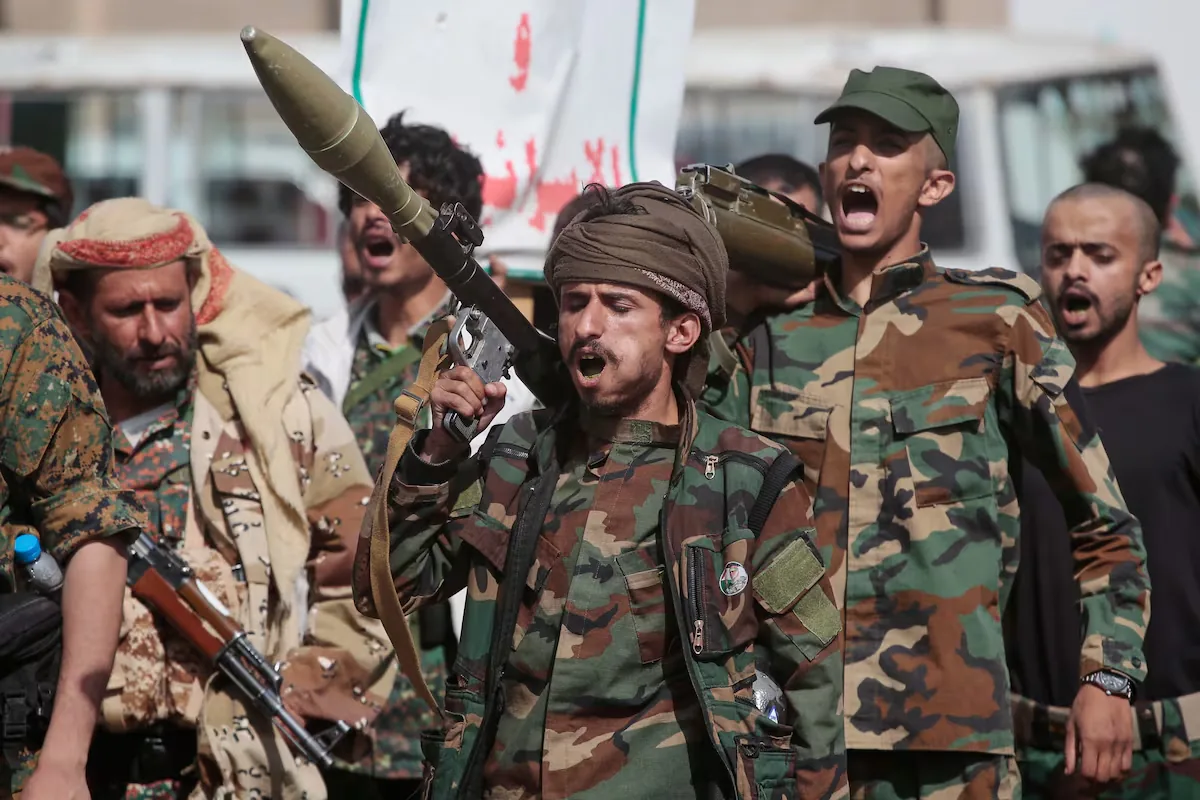
Monitoring the online activities of the Revolutionary Guard also allowed “locating and removing statements and videos produced by affiliated groups and allied entities,” including Hezbollah, the Houthi militia Ansar Allah, Hamas, Palestinian Islamic Jihad, or Harakat Ashab al-Yamin al-Islamia, a largely unknown group that in March claimed responsibility for several attacks against Jewish targets — mainly synagogues and Jewish schools — in the Netherlands, the United Kingdom, and Belgium.
The operation, Europol adds, also detected the use of cryptocurrency transactions to maintain and expand their online operations, “a tactic designed to evade traditional financial controls.” Because “terrorist networks are increasingly flexible and continue adapting their methods, sustained and coordinated action is essential to limit their reach and impact,” emphasizes the European police agency.