





There are two topics in Germany that inevitably revive ghosts of the past: debt and military power. But more than eight decades after the end of World War II, Germany is willing to set aside its past reluctance to become the main European military power again, even if it means breaking with decades of fiscal austerity to raise defense spending to levels never seen since the Cold War.
Read more The Community of Madrid buys a luxury penthouse in Chamberí for Ayuso to use as a temporary «office»
The start of Vladimir Putin’s war of aggression against Ukraine in February 2022 woke Germany from the lethargy it had fallen into since German reunification, which had led to the closing of barracks, the suspension of compulsory military service in 2011, and increasingly less money allocated to Defense, leaving its Armed Forces weakened with obsolete equipment. But at the same time, it became one of the largest arms exporters in the world.
The famous speech by then German Chancellor Olaf Scholz about the Zeitenwende — the turning point in German defense policy decreed by the Social Democratic leader after the start of the invasion of Ukraine — was followed by a special fund of 100 billion euros for military spending. And three years later, in March 2025, Berlin relaxed the constitutional debt limit to open the floodgates to military spending. This marked a Copernican shift in austerity policy to make large investments in defense and achieve the goal of Defense Minister Boris Pistorius to provide Germany with the “strongest conventional army in Europe.”
To face these changes, Germany presented in June its budget project for the next year and its financial plans until 2030, which foresee military spending reaching 153 billion euros by 2029, triple what it was five years earlier, which will raise new debt to record figures. This represents a radical break with the country’s deep-rooted aversion to debt. But according to the current chancellor, Friedrich Merz, it is not about investing more to please Trump, who demands 5% of GDP in military spending, but because they fear that “Russia will continue the war beyond Ukraine.” For now, Germany has announced it will increase its defense spending to 3.5% of GDP by 2029 and according to NATO figures, this year it will stand at 2.69%.
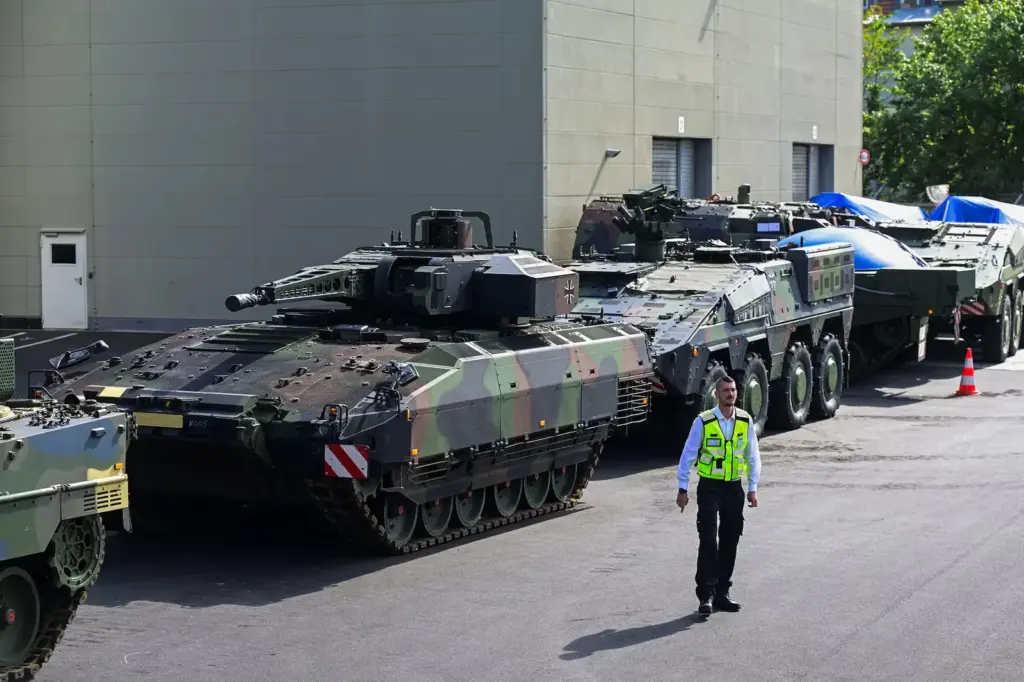
This spending is necessary to comply with the new military strategy, the first in the history of the Federal Republic of Germany, presented in April and which, among other things, plans to increase the number of active soldiers to 260,000 by 2035 — a big leap from the current 185,000 — and reservists to 200,000, practically double today. To this end, they reactivated military service earlier this year, although so far only with volunteers. The long-term goal until 2039 will be “the development of technologically superior armed forces.”
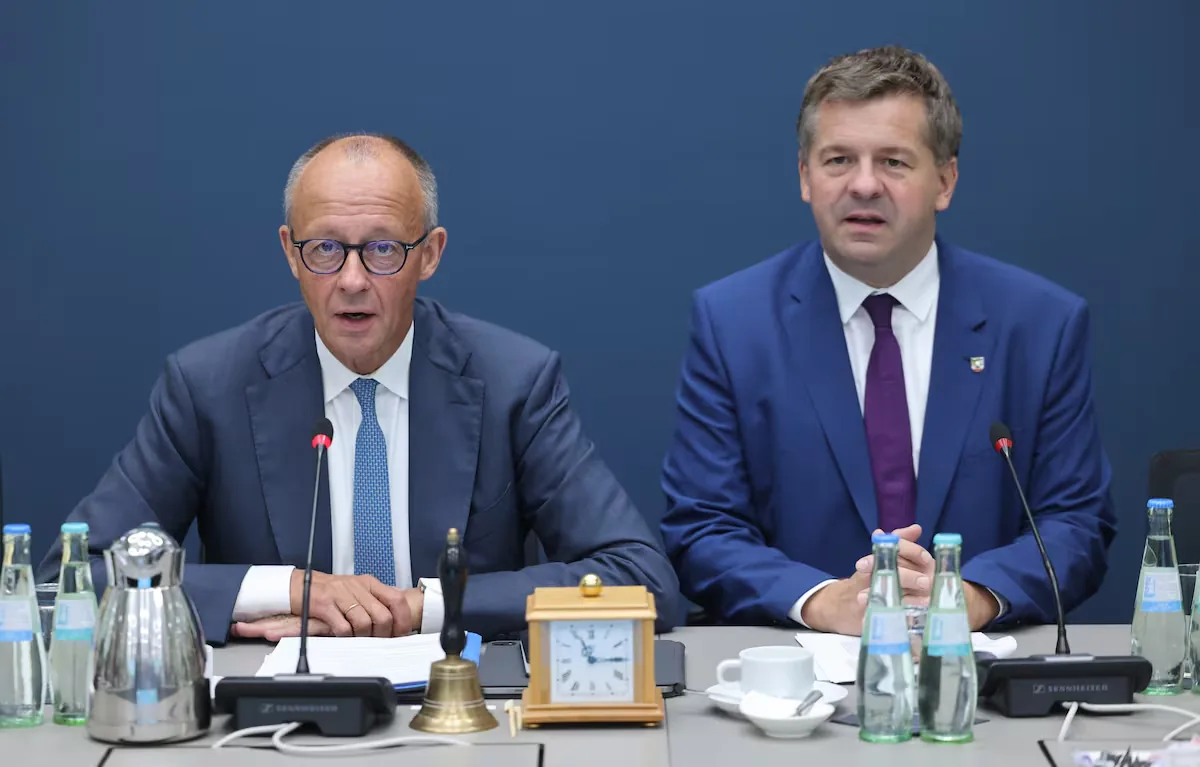
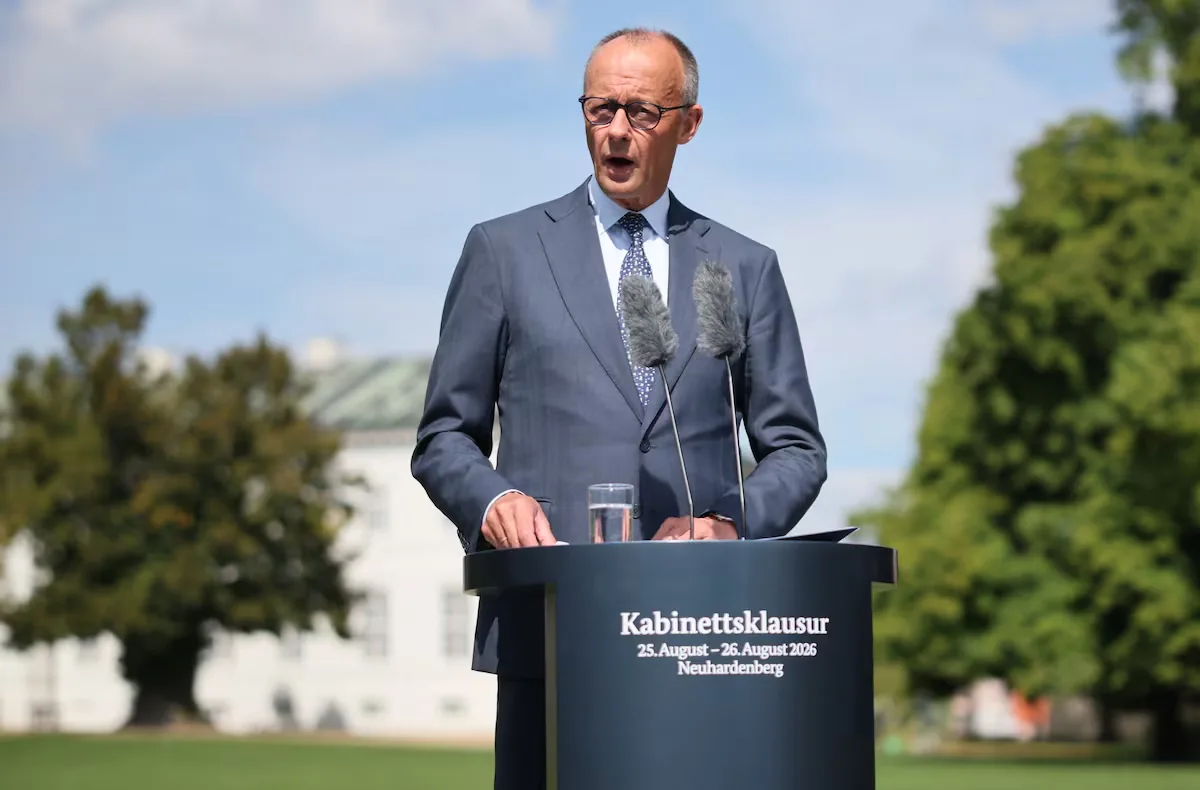
“I am concerned that, at this moment, we are not where we should be, because we see the Russian threat presented before our eyes every day. We face massive sabotage, espionage attempts, and attacks against our data networks. All of these are forms of hybrid warfare against Germany,” Merz once again recalled at the traditional summer press conference last week in Berlin. “I have said this phrase before, which I repeat again: we are not at war, but we no longer live in peace either. Taking this threat seriously is, above all, a political task,” he pointed out. For the conservative leader, turning the country into a great military power again is mainly because Germany is “at the geostrategic center of Europe.”
The other reason justifying this radical shift by Berlin is that the President of the United States, Donald Trump, has questioned his country’s commitment to the defense of Europe, something made clear by his announcement to withdraw at least 5,000 U.S. soldiers from Germany last May, even if it was in response to Merz’s criticisms over the war against Iran. No one can deny that transatlantic relations have changed radically in a year.
“I could list quite a few things that have changed right now,” explained Norbert Röttgen, vice president of the conservative faction in the Bundestag, to a small group of correspondents, including EL PAÍS. “If I had to summarize it, I would express again my opinion that a second turning point has occurred in transatlantic relations. The first turning point was the return of land war to Europe,” he indicates.
Considered one of the masterminds of German foreign policy, he recalls how in the past security and peace in Europe were defined for decades as a fundamental and own American interest. “And that definition of American interests regarding Europe has changed radically. Security and peace in Europe are no longer, from Trump’s point of view, a vital and primary American interest. This is a fundamental change. It is a break with 80 years of American policy towards Europe,” he emphasizes.
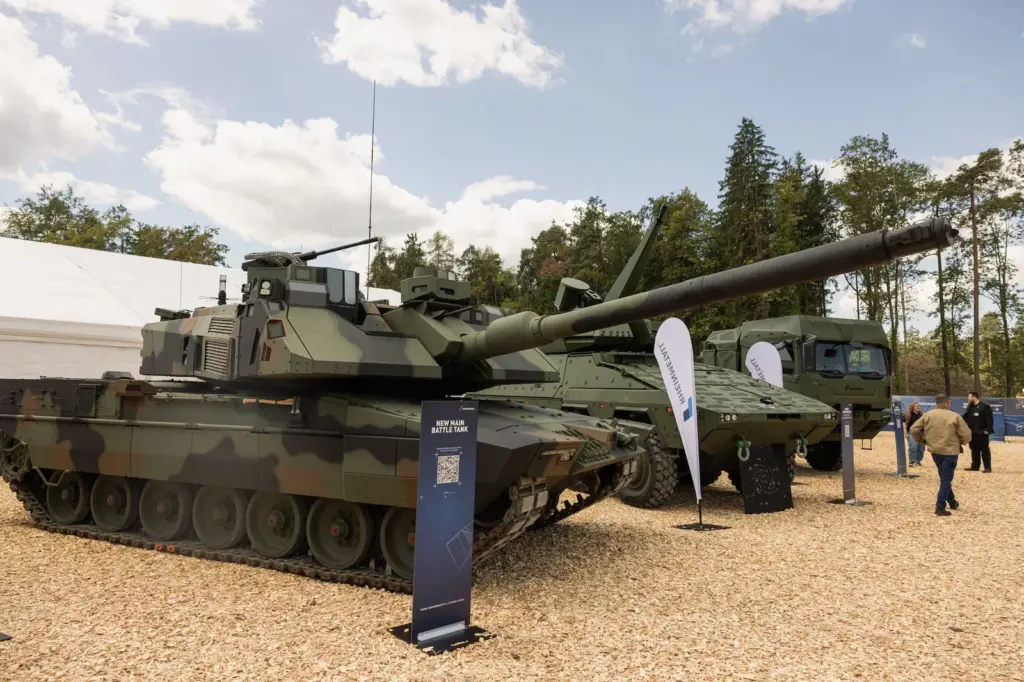
Berlin also bets on European cooperation in defense. Although the Franco-German sixth-generation fighter jet project failed, the two countries continue working together, now on “nuclear deterrence,” as Merz announced last week after the meeting of the two Executives in Germany. In this way, German troops will participate this year in a nuclear exercise of the French Armed Forces. This is added to the agreement that both countries will hold 40% of the shares of the Franco-German tank manufacturer KNDS when it goes public to ensure “long-term influence” in a company of “strategic importance.”
The big deals of German arms companies, driven by the race to catch up with technological changes and depend less on American weapons, continue. The entire German economic model, based on exports, especially in the automotive sector, is in crisis, and betting on the arms industry seems to have become one of the few remedies within reach.
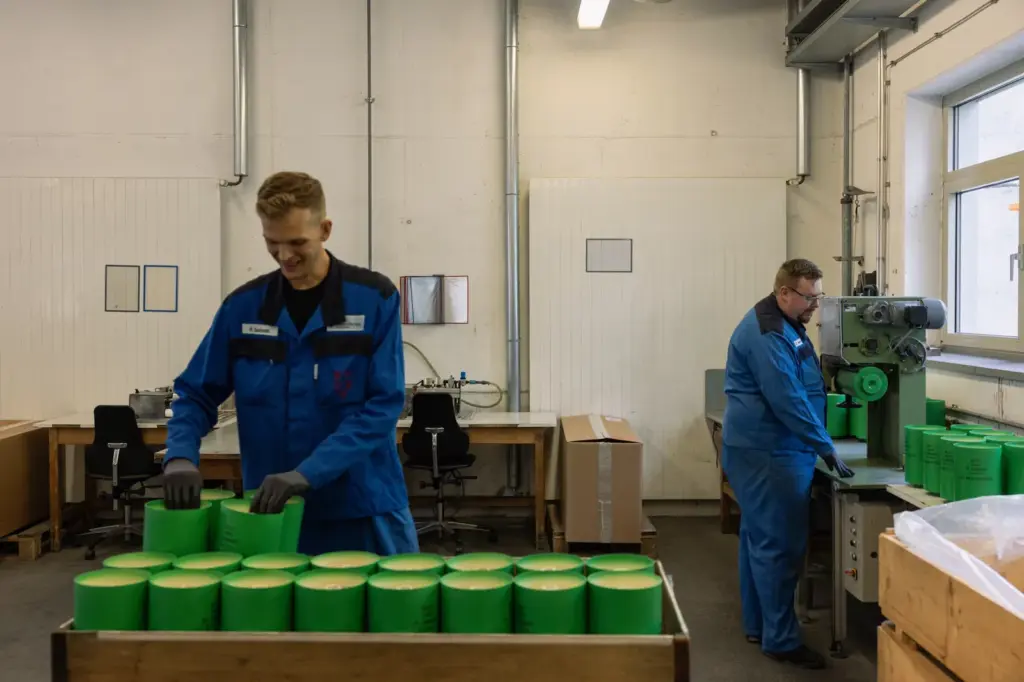
Some of its famous car factories are already converting to arms production and alliances between the two industries are beginning to flourish. For example, Daimler Truck collaborates with technology companies ARX Robotics and Quantum Systems to equip military vehicles with autonomous capabilities and digital connectivity. Mercedes-Benz cooperates with the start-up Tytan Technologies to mount interceptor drones on Mercedes vehicles and achieve a mobile air defense system. At the same time, Rheinmetall continues expanding its collaboration with young technology companies in the field of unmanned systems.
However, converting a car factory to produce defense material is “a very complex task,” as security and defense expert Max Becker from the German Council on Foreign Relations (DGAP) points out. “Very complex production lines are needed and high security standards are required in industrial facilities, that is, it is not as easy as changing overnight a production line that yesterday made cars and tomorrow has to make tanks,” he details. In his opinion, the defense industry is still “much smaller” than the automotive industry, “therefore, the idea that the defense industry will replace the automotive industry is risky.”
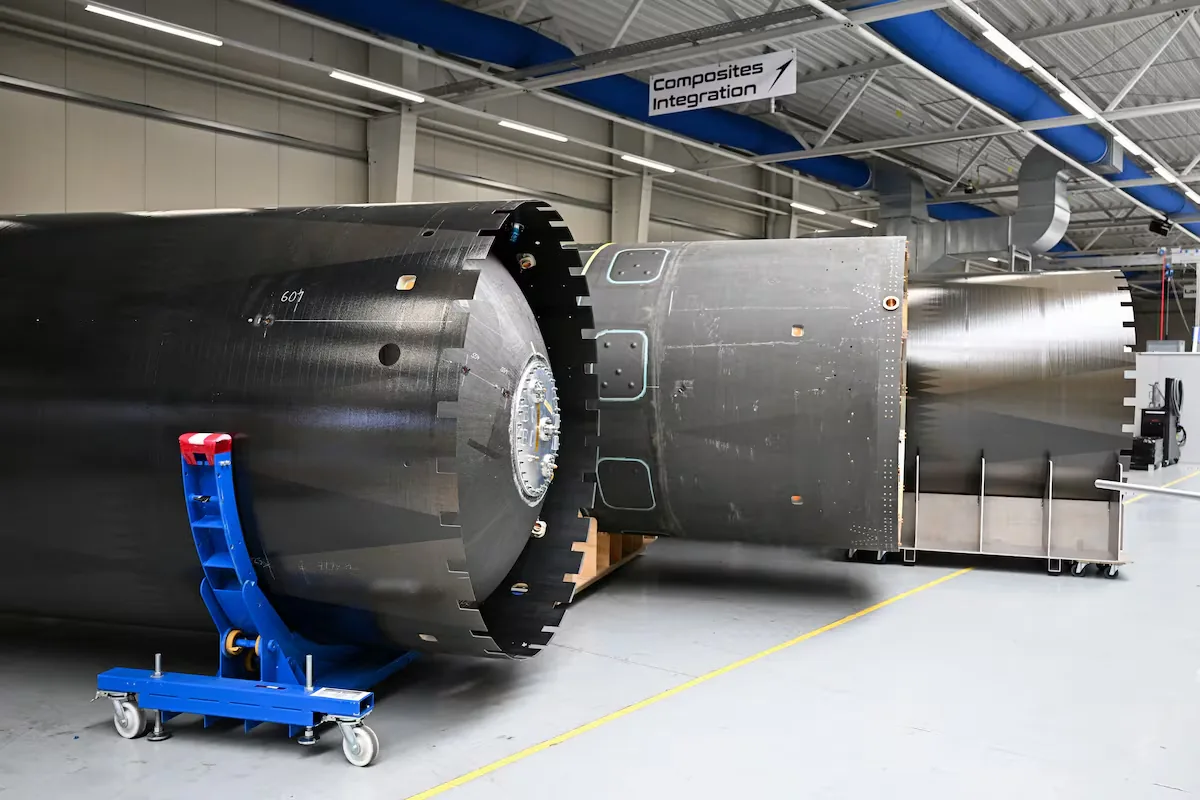
Germany wants to quickly equip its Armed Forces with new technologies. This has also boosted German defense sector startups. In this vein, last Wednesday, the Government presented its new strategy to help German startups, which has a focus on defense and security. Berlin wants to improve access to capital for companies in this sector and also wants to participate directly for the first time in emerging defense companies.
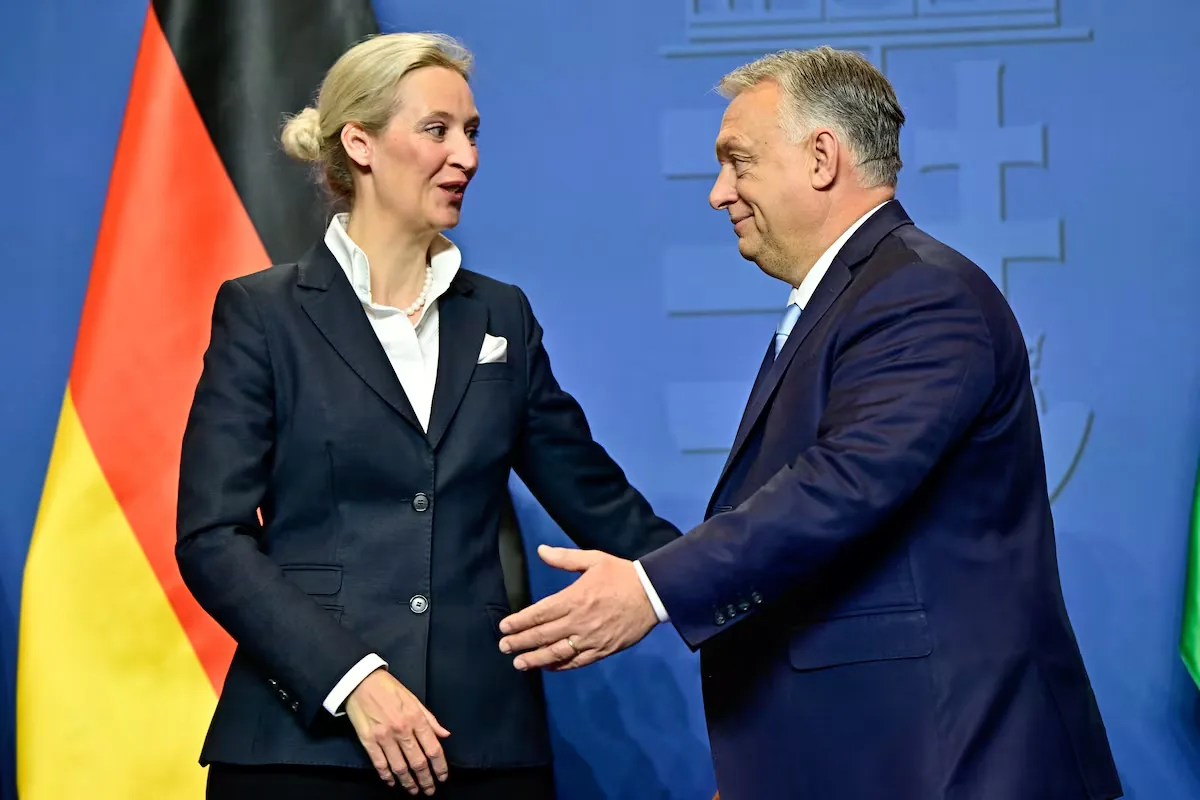
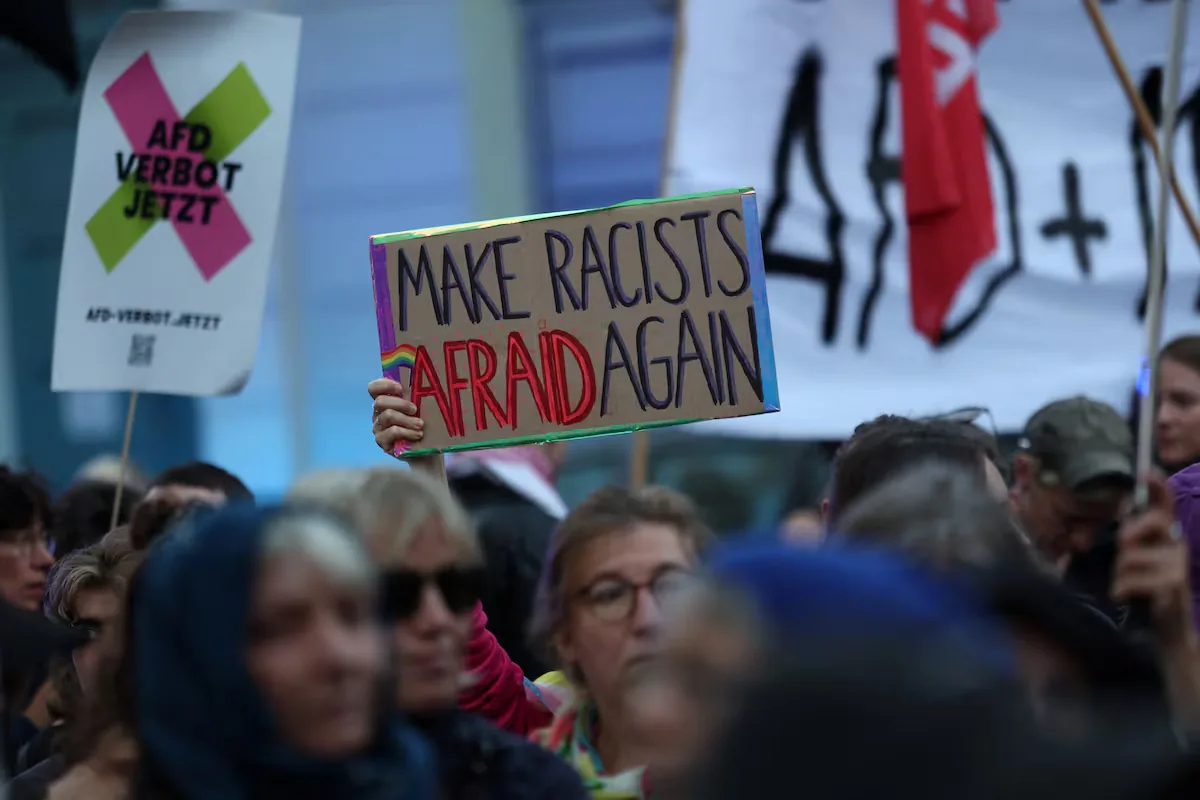
But the shift in Defense in Germany coincides with the rise of the far-right party Alternative for Germany (AfD), which is currently first in voting intention polls, raising concerns in neighboring countries like Poland and prompting a question to hover over Europe: who will govern Germany when the goal of its military strategy set for 2035 is reached?
Read more The death toll in the Japan earthquake rises to 13 as the search for missing persons continues