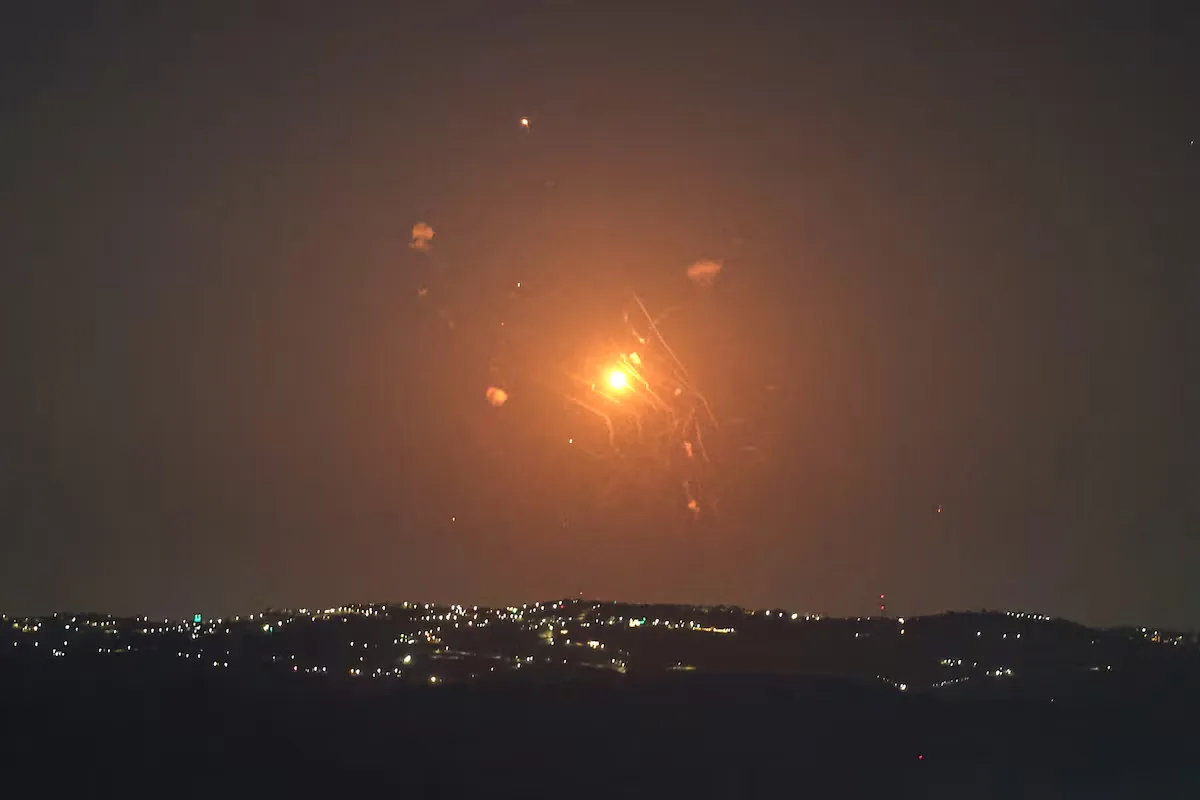

The ceasefire that has never stopped the fire between Israel and Hezbollah presents the same dynamic this Thursday, after its extension in a new round of negotiations in Washington. This Thursday morning, the Israeli army continues its attacks and its Minister of Defense, Israel Katz, has made it clear that it will continue bombing and that troops will maintain their positions in Lebanon. And Hezbollah has launched drones against Israel while its leader, Naim Qasem, rejects a partial pact that maintains the occupation. US President Donald Trump himself admitted hours earlier that the truce —initiated in April— is only on paper. A journalist asked him for his definition of a ceasefire and he replied: “In that part of the world, it’s when you shoot in a more moderate way.”
In the first hours of the ceasefire extension, Israel has claimed its “freedom of action” in Lebanon, both in deeds and in words. On the ground, it has injured a family (a man, his wife, and their daughter) in a drone attack against the car they were traveling in in southern Lebanon, according to the Lebanese national agency. And it has just issued a new “urgent warning to residents of southern Lebanon,” explaining that it continues to attack south of the Zahrani River (40 kilometers from the border) and “puts their lives at risk” whoever is there or moves there. There, a Serbian peacekeeper has died and two Spaniards have been injured after an attack against the UN mission, UNIFIL.
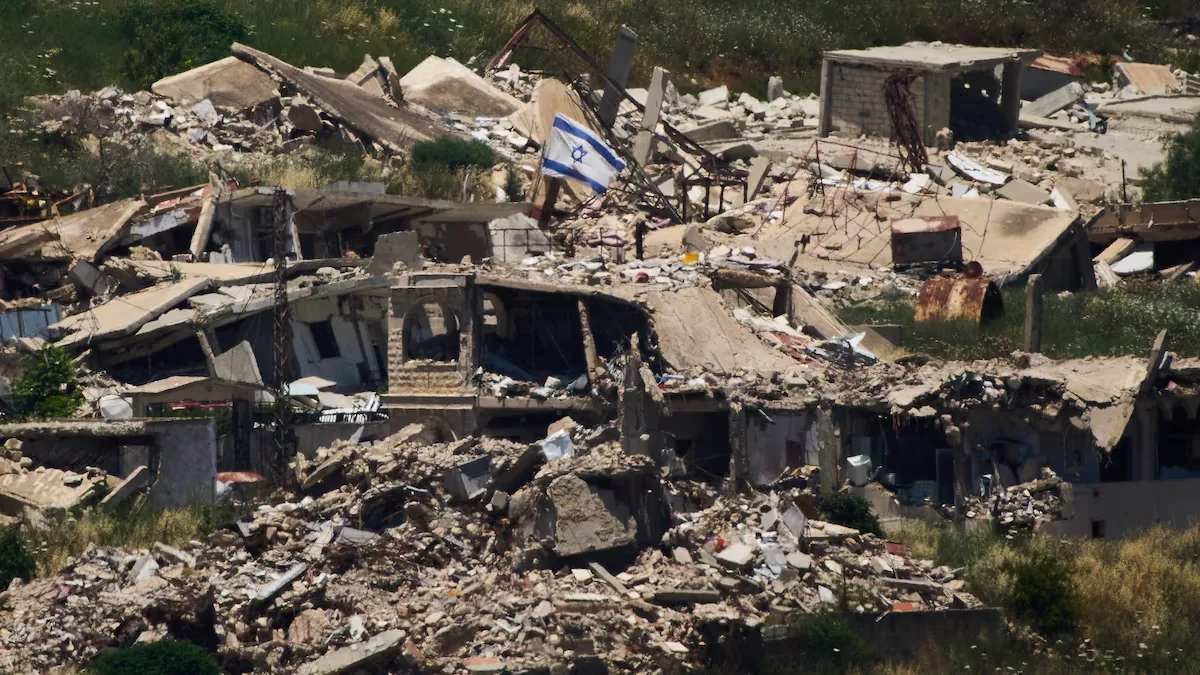
In words, Minister Katz has stressed in a statement that the ceasefire is “conditioned on the prompt withdrawal of Hezbollah terrorists from all areas south of the Litani River and the creation of a demilitarized zone” while its Armed Forces “continue attacks and activities in the area for the time being,” will continue to occupy and destroy villages in the area they control (including Beaufort Castle) without the population being able to return. This Thursday, in fact, the destruction of 16 more homes is recorded in Tibnin, a village 12 kilometers from Israel and located just above the so-called Yellow Line, with which Israel directly demarcates the villages it occupies.
Katz has emphasized the freedom of action he has ―“with US support”― also to attack Beirut (after Trump forced Netanyahu to back down on Tuesday) if Hezbollah attacks Israeli territory and not just its troops in Lebanon. The Shiite militia has already done so this Thursday afternoon, with two drones that activated anti-aircraft sirens in the north of the country.
The Lebanese authorities, who in March declared Hezbollah’s armed activities illegal, portray the outcome of the negotiations in Washington differently. Aware of the humanitarian urgency the nation is suffering, President Joseph Aoun has described the dialogue as “the last chance to reach a comprehensive ceasefire,” and has assured in a statement that the leader of the Lebanese delegation even got up from the table, supposedly until his demand “not to address any other issue until a complete truce is agreed upon” was met.
According to Aoun, the new version of the cessation could come into effect in the coming hours, after consultations with all parties. Since March, when open war returned to Lebanon, the Israeli offensive has killed 3,526 people in the country. These are data from the Ministry of Health, which records 1.4 million forcibly displaced people, a figure that represents a quarter of the national population and equals the worst record during the open war of 2024.
A Conditional Truce
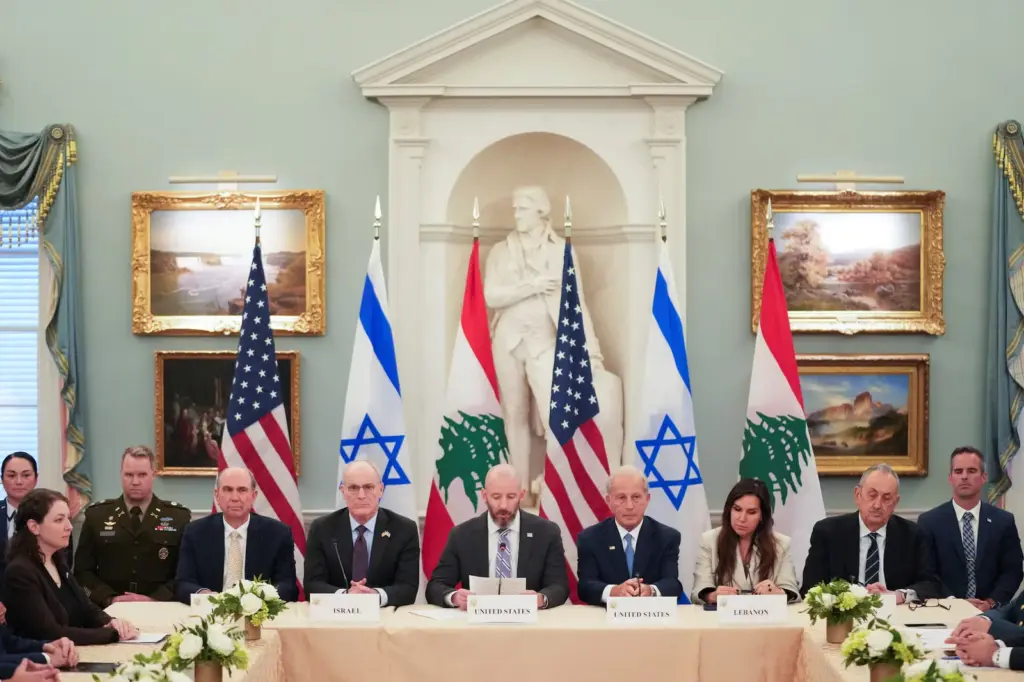
The new extension puts the ball in Hezbollah’s court, according to the joint statement by the US, Israel, and Lebanon released by the State Department. The text states that “the ceasefire is conditional on the complete cessation of Hezbollah’s fire and the evacuation of all Hezbollah operatives from the southern sector of the [Litani] river.”
Read more Navarra mourns five foral police officers: “Your mark is indelible”
Therefore, the Shiite militia has “completely” rejected the diplomatic process orchestrated by the US and the resulting ceasefire, which it considers “partial,” and demands a “genuine” total cessation of hostilities that implies the withdrawal of Israeli troops from all Lebanese territory. These are the terms in which the organization’s secretary general, Naim Qasem, expressed himself this Thursday in a televised speech by media affiliated with the group.
While its militants continue to fire against Israeli territory, the Shiite cleric has denied any agreement that distinguishes the south from the rest of Lebanon or allows Israel to “continue killing.” The leader has reiterated that “as long as there is an occupation,” Hezbollah will not accept retreating north or handing over its weapons, and has thanked Iran, the movement’s patron, for its efforts to include the cessation in Lebanon in its negotiations with the US, in a statement that demonstrates the struggle not only on the battlefield, but also to see who establishes the peace framework.
The main novelty of the agreement is a plan to create “pilot zones” in Lebanon where there is no Hezbollah presence and which are controlled by the Lebanese Army. This would open the door to eventual Israeli withdrawals, although it is not yet clear how they would work or when they would start. The two governments will meet in two weeks with a view to “reaching a definitive agreement,” the statement indicates.
Meanwhile, the Chief of Staff of Israel, Eyal Zamir, has given the directive to “concentrate efforts” in Lebanon, among the various points of tension in the Middle East. “That is where we have most of our troops and capabilities deployed,” he explained.
The agreement was closed during the fourth round of direct negotiations between Israel and Lebanon, this Tuesday and Wednesday, marked by the insults Trump hurled at Netanyahu in one of the two phone calls, in which he forced him to back down on his plan to bomb Dahiye, the Shiite-majority suburbs of Beirut, after Tehran’s threat that it would resume war with the US.
Read more Treasury promises to agree on the 2027 Budgets with partners before presenting them to Congress