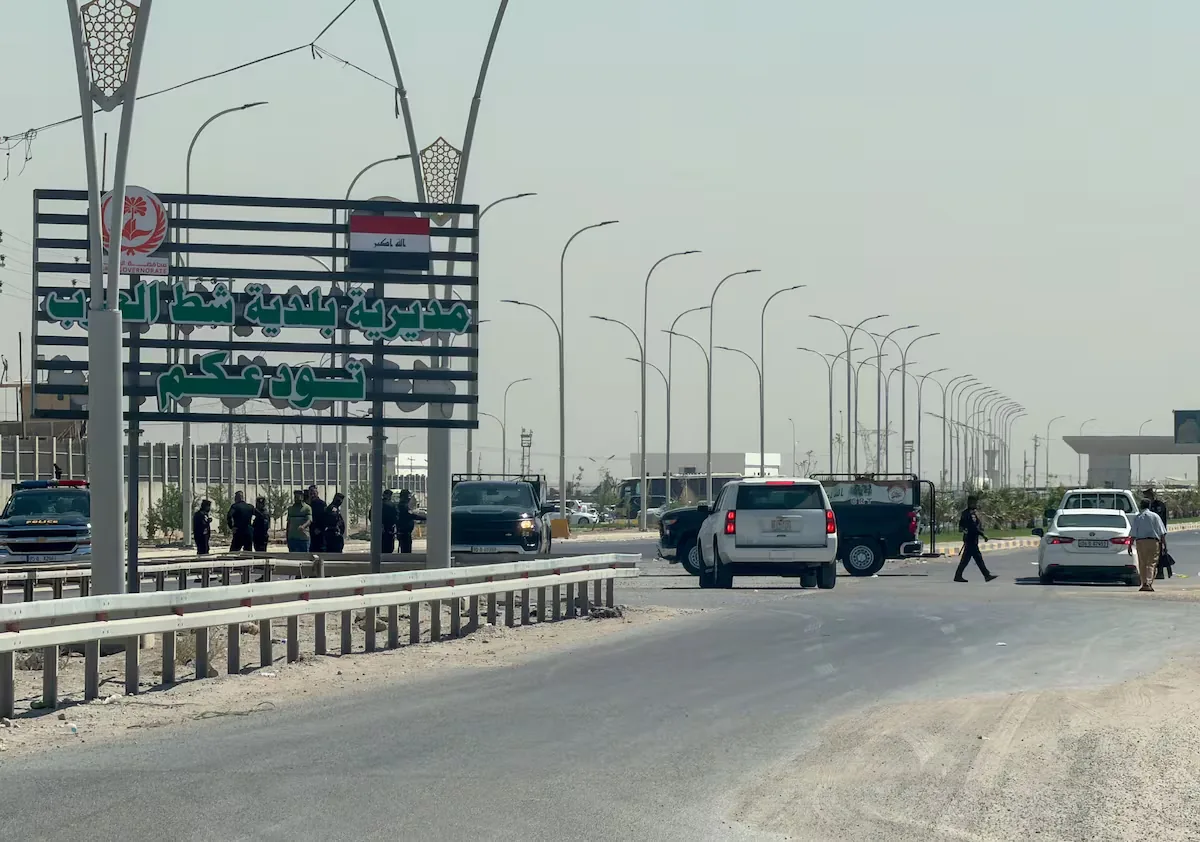




Kuwaiti-American journalist of Palestinian roots Ahmed Shihab-Eldin, a contributor to international media mainly covering the Middle East, has been detained in Kuwait since early March after posting images on social media of the downing of a U.S. fighter jet in the country. His arrest represents a new example of the increasingly severe measures taken by Gulf States to censor information about their role in the U.S. and Israeli offensive against Iran, and the extent of Iranian reprisals.
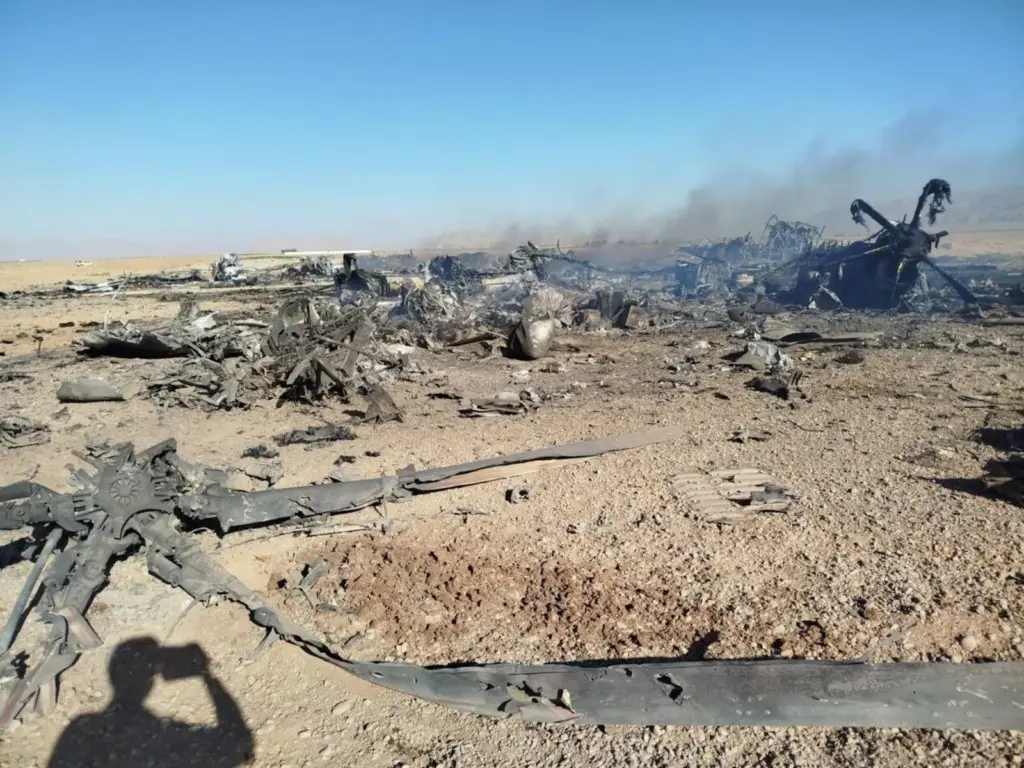
Although the content that led to his arrest is not known for certain, Shihab-Eldin, who has worked for media such as Al Jazeera and The New York Times, shared a post on March 2 on his Substack platform account, which is no longer available, with CNN images of U.S. fighter jets shot down in Kuwait. The U.S. military then stated that early that morning, three fighters “were mistakenly shot down by Kuwaiti air defenses,” but that their six crew members managed to eject safely.
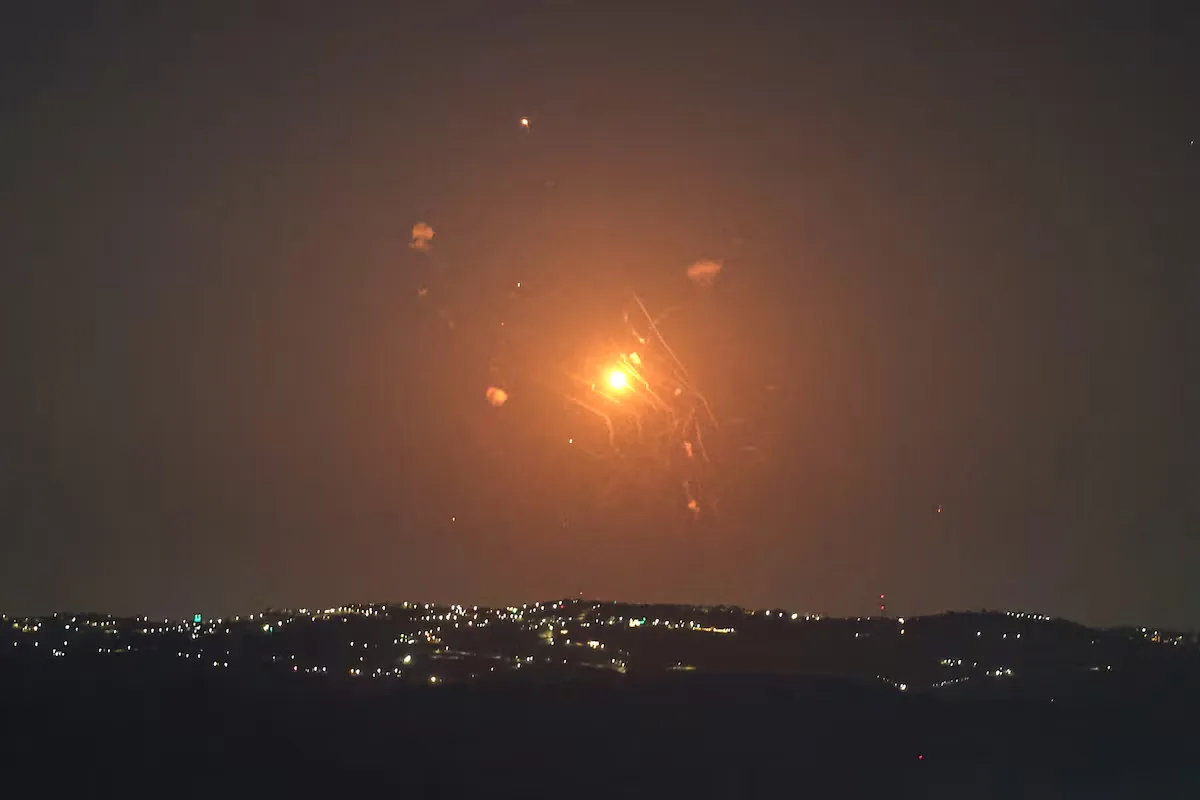
In addition to that post, Shihab-Eldin had shared other images about the damage caused by Iranian attacks against the Arab Gulf countries. On February 28, when the U.S. and Israel launched their offensive against Iran, the Kuwaiti Ministry of Interior warned against filming Tehran’s retaliatory attacks and posting them on social media. It also warned that it was monitoring “all content” circulating online and would take action against those spreading rumors or false or misleading information.
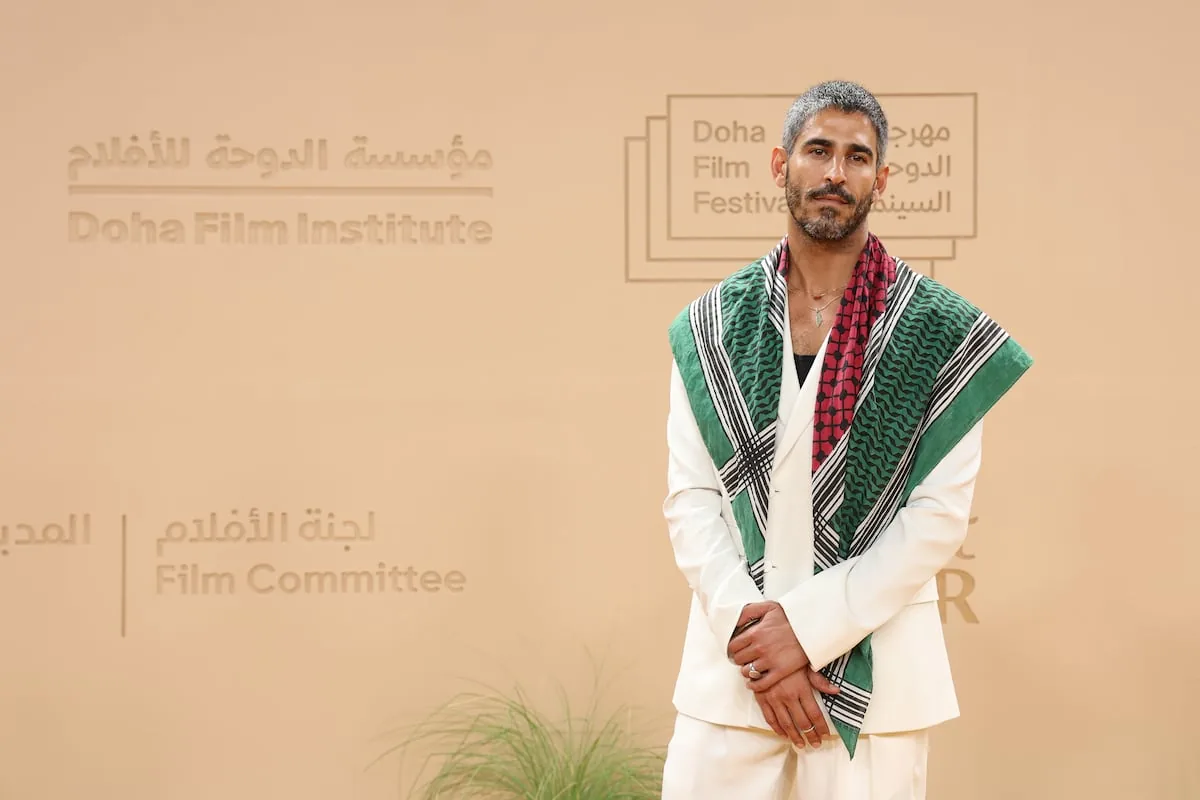
Shihab-Eldin, 41, is known for his work on social justice and human rights issues in the Middle East and the United States, for which he has also been awarded, and he is a firm and outspoken advocate for the Palestinian people. In addition to his work as a journalist, Shihab-Eldin has served as an adjunct professor at the Columbia University School of Journalism in the United States. Although he was arrested on March 2 or 3 while in Kuwait visiting his family, his detention was not made public until last Tuesday.
The Kuwaiti authorities, like those of other Arab Gulf countries, have insisted since the start of the war that they have not allowed the U.S. military to use their territory or airspace to carry out military actions against Iran, despite having multiple bases in the region. However, in Kuwait’s case, media such as France 24 have verified videos showing U.S. missile launches from launchers located within the country’s territory on at least two occasions, on March 24 and 31.
Press freedom advocacy groups have expressed concern about the possibility that Shihab-Eldin may now be tried under new security laws. Although Kuwait’s Constitution guarantees freedom of opinion, expression, and the press, on March 15, less than two weeks after his arrest, the country passed a law providing for prison sentences of three to 10 years for spreading information about military authorities that undermines their authority and prestige.
Read more Case of sexual assault against Alfonso Villares, former Xunta councilor, archived
The Committee to Protect Journalists (CPJ) has described the charges believed to have been brought against Shihab-Eldin, including spreading false information, endangering national security, and misuse of a mobile phone, as “vague and overly broad,” and considers them a tool “to silence journalists.” The group’s director, Sara Qudah, stated that the case “reflects a broader pattern of using national security laws to stifle scrutiny and control the narrative.”
Kuwait has traditionally been the Gulf country with a more open political system and range of freedoms, including press freedom. But recently, the country’s authorities have been criticized for adopting measures that increasingly restrict this space and for arresting and imprisoning activists and journalists. Since the start of the offensive against Iran and Iranian retaliatory attacks, Kuwaiti police have detained and referred at least dozens of people to the Prosecutor’s Office, according to human rights groups.
On March 4, shortly after Shihab-Eldin’s arrest, the Kuwaiti Ministry of Information reported that it had referred “offenders” of media regulations to the Prosecutor’s Office and reiterated that it was monitoring the circulation of false news and rumors. It also stated that the law guarantees freedom of opinion and expression but called to “prioritize” the national interest. On the same day, the Ministry of Interior reported the arrest of a person for “their use” of social media. It is unknown if any message referred to Shihab-Eldin.
Earlier, in mid-March, Israeli journalist Yitzchak Horowitz, who works for the ultra-Orthodox Jewish community weekly BeKehila, was also briefly arrested in Kuwait on suspicion of espionage, according to the CPJ. In his case, the detention occurred after photographing U.S. warships off the Kuwaiti coast and, according to his own account in his media, which is not published online, he was interrogated for several hours and questioned about his identity, links to Israel, and military experience, according to the same organization.
Read more The increase in the delay to have surgery and see a specialist enrages the Andalusian pre-campaign