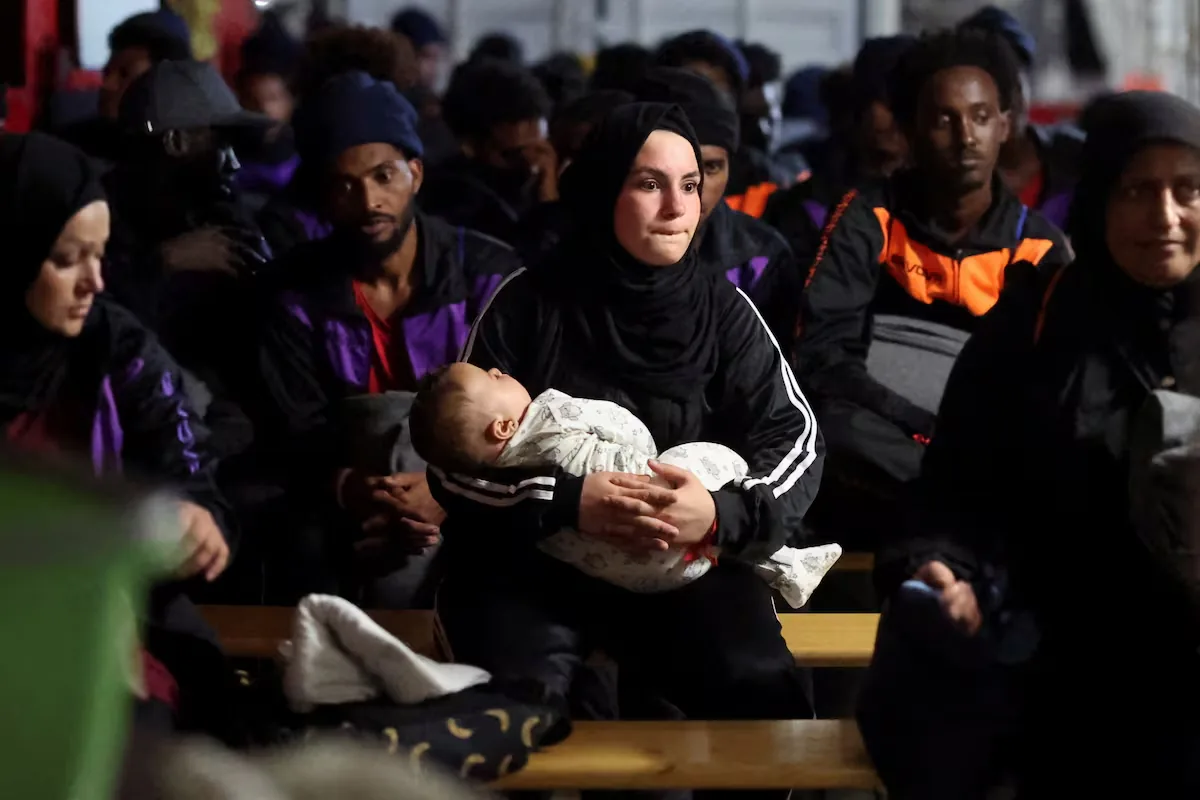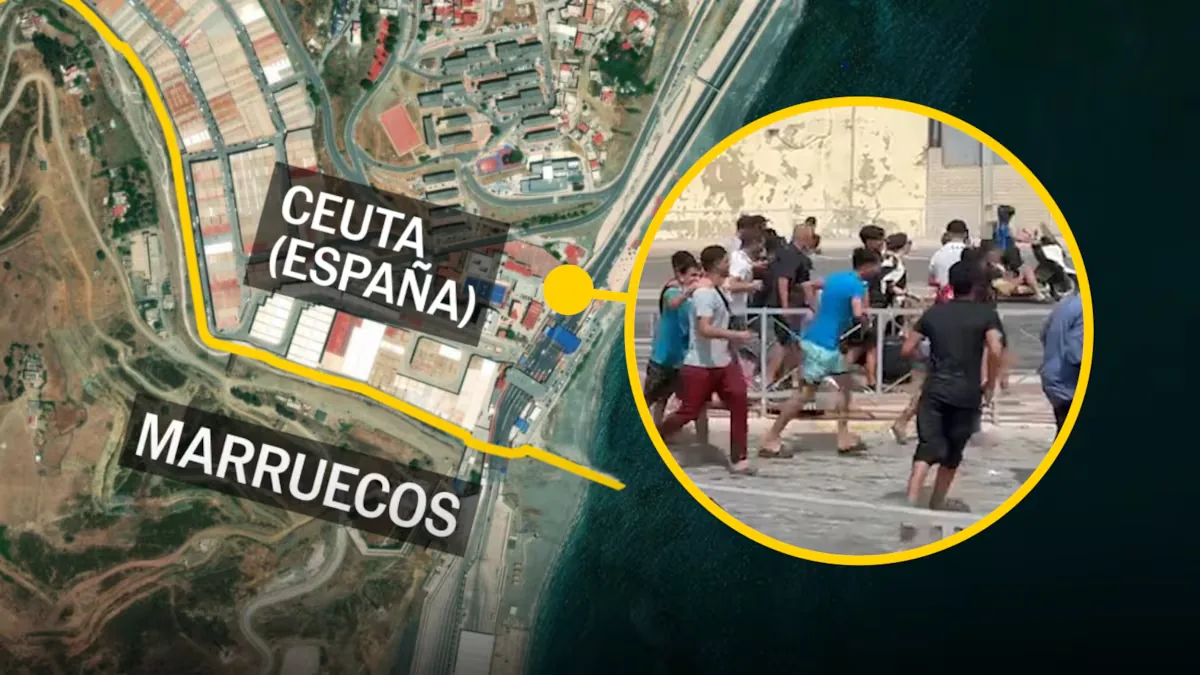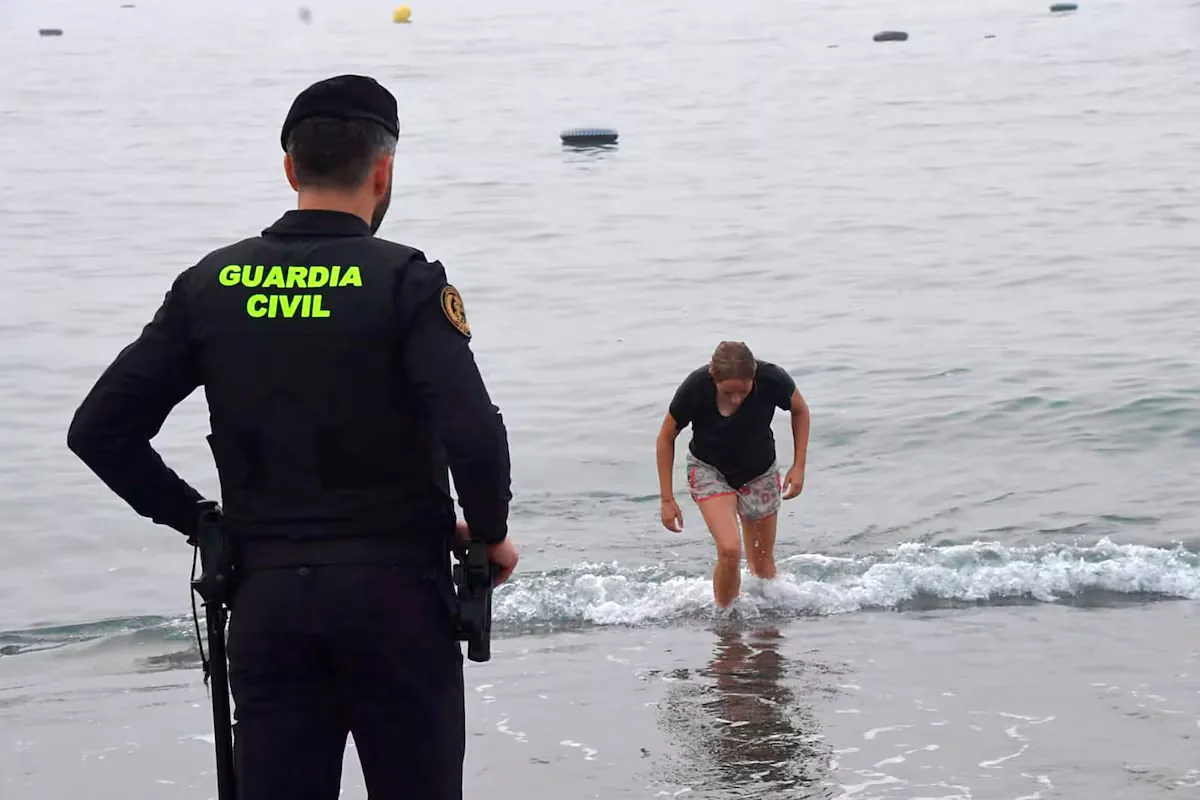
“I said I didn’t want to go to the Peninsula, that I had trusted friends and family in the Canary Islands and also that I was studying and had two months left to finish the Electricity training cycle. I wrote it on a paper and signed it,” explains Saliou, resolute, over the phone. The boy is 17 years old and from Senegal, but they call him El Canario, because of the island accent he picked up very early. Amid the political turmoil over the relocation of migrant boys who were saturating centers in the Canary Islands, Ceuta, and Melilla and had to be transferred to other communities, many of these boys raised their voices. Generally, newcomers to these places first ask how to get to “Spain,” that is, the Peninsula, but not always. Some, like Saliou, have been caught in the solidarity networks of families who have not let them fall, who take them on outings with their children on weekends, invite them to eat, and help them navigate the thousand bureaucratic obstacles they have fought to find a place in their new homeland. They already speak with an accent.
In the Canary Islands, 1,090 objections were registered from boys against their transfer to the Peninsula, 204 in Melilla, and none in Ceuta, since the process started in the summer of last year. These are the figures this newspaper has accessed, closed as of July 31. So, while certain presidents of autonomous communities raised their voices to avoid being included in the solidarity distribution of unaccompanied minors, many did not even want to travel to the Peninsula. And they were largely heard, for the “best interest of the minor,” says the general director of Child and Family Protection of the Canary Islands, Sandra Rodríguez González. “Not all of them, of course, because claiming they don’t want to leave because they have friends on the islands… well, that’s not decisive, but yes, they were heard,” she affirms.
In the months following the government decree, when minors were arriving on the Peninsula, from time to time the unedifying attitude of some mayors who did not want them in their town made the news. Certain neighbors raised an outcry and staged unseemly spectacles. In the Canary Islands, a real scandal broke out, but for different reasons: dozens of families fought so that the boys with whom they had already formed affectionate bonds would not be taken away, those they saw straighten out their lives day by day with studies, root themselves in the neighborhood with friends, with the football team. They went from being shy teenagers who came out of a patera any night to showing themselves confident, combative, and stubborn, like any other boy of those ages. And while it is true that some said yes and then no and then yes again when selected to go to the Peninsula — as the Canary general director recalls — others were clear from the start.
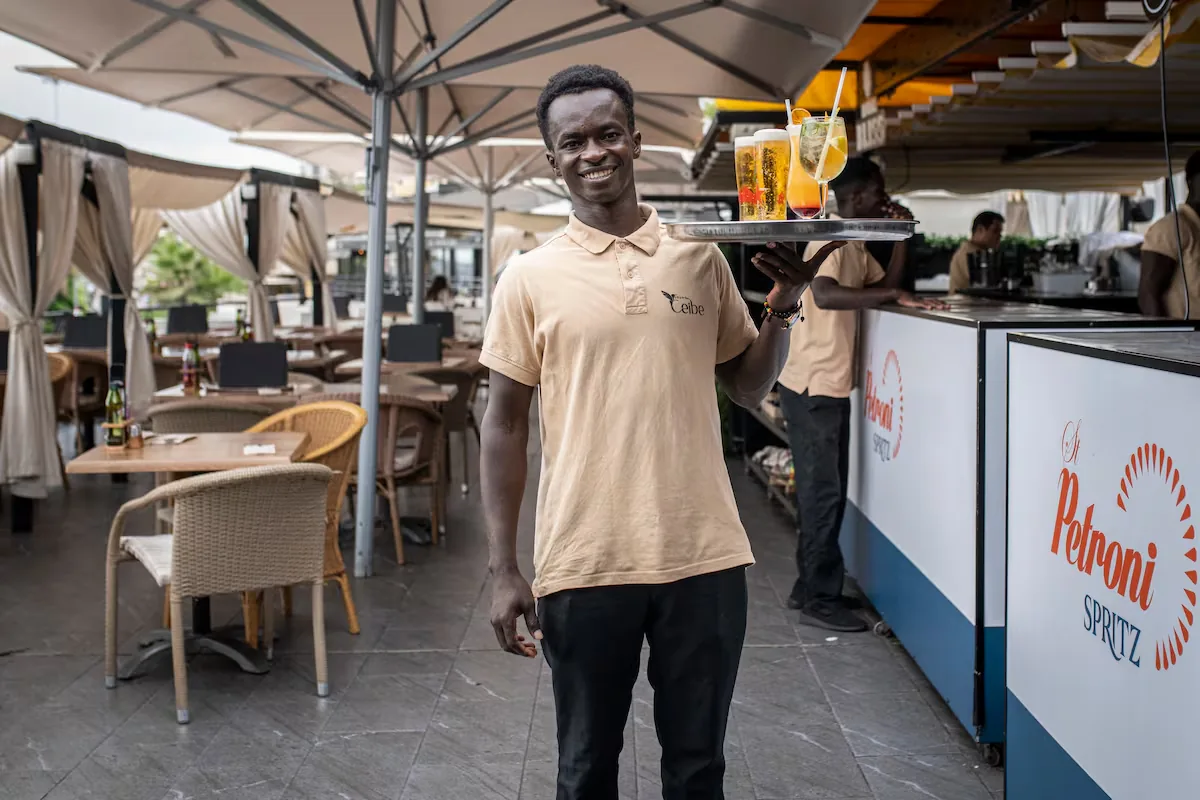
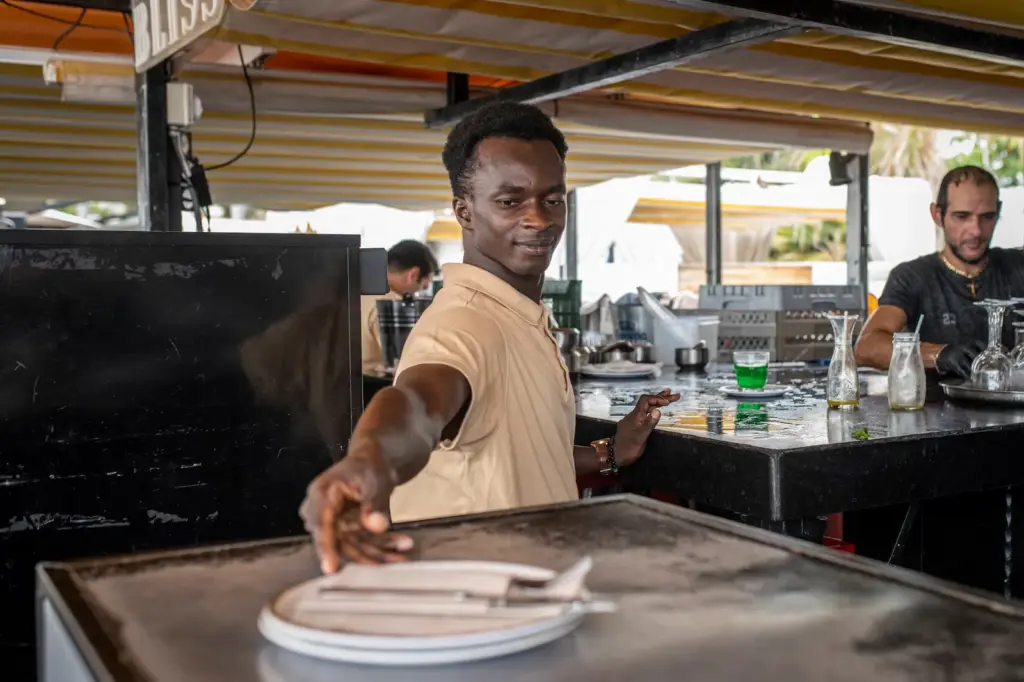
Babacar Gueye was 17 last year and had already been in the Canary Islands “three and a bit.” He had found a job as a waiter and not even the presence of a brother on the Peninsula convinced him to make the jump. “I went with the director of my minors’ center to the general directorate and told them I had a good job, that I had money, that I didn’t want to have to start from scratch. I was always in Tenerife. I claimed it and signed.” Some time later, when he had “forgotten the issue,” they called him again for the same reason and there he had the help of his trusted family, lawyer friends, and again achieved his goal. He continues working as a waiter in a good environment, “with a wonderful boss” and with colleagues who are, he says, “a family.”
“They were never forced to take a plane if they didn’t want to, nor have we received communication from any who want to return. The communities have done important work,” says the general director. But while there were controversial cases of difficult adaptation, mayors’ outcries, and appeals from the host autonomous communities, the work has been done at lower levels, with efficient civil servants away from political noise. This is also said in Ceuta.
Read more Daily ONCE coupon: check the draw for Tuesday, August 18
Many of those boys reached the age of majority as the procedures were completed and had to stay on the islands, where they have organized so they can work and have access to housing, explains the general director: “Some have been living in hotels that gave them training for hospitality and they work there.” “And we have opened nearly 10 centers with 200 places so they can stay,” she adds, because they must leave the minors’ establishments when they turn 18. Rodríguez also explains that other former wards have been taken to the Peninsula with an already established support network, for which they have had help “from companies or organizations like Cáritas.” This is the Urdimbre project, with which they seek work and housing for them on the other Spanish shore.
Teachers have been a good support network in the Canary Islands for minors enrolling in their centers and whom they soon spotted aptitudes for study. Saliou has successfully completed his intermediate degree in Electricity and, after no small vicissitudes, this year he will be able to play football without the obstacles imposed by FIFA. He is happy and it shows even over the phone. “Now I have been working for two weeks in an electricity company. I wanted to enroll in the Higher Degree, but there are no places,” he explains, highlighting one of the big problems young migrants face in Spain. The Integration and Citizenship plan presented by President Pedro Sánchez at the end of June, endowed with 505 million euros in its first year, established the creation of 100,000 new Vocational Training places for the integration of these boys into sectors of greater demand. But the legislature is running.
And the lives of these young people too. Saliou stayed, Babacar continues in his restaurant, and Abdoulah also succeeded and was able to finish his basic Vocational Training cycle and now hopes to enroll in the intermediate degree. Meanwhile, he works in a bakery, “baking,” and plays football. “I always dreamed of being a professional player, but well, now I have a better life and can help my family. There in Mali I have seven siblings and here in the Canary Islands, one brother and two sisters.” Abdou turned 18 and his foster family offered him housing so he could stay with them. “I am very grateful. I didn’t want to go to the Peninsula because I already have half a life made here and I don’t want to start over.” Those long days of the patera are far away, practically lost at sea. “The map broke, we didn’t know how to get there, we were five days in the water, some without being able to eat or drink. Very tired. It was difficult. A long story. I don’t want to talk about it.”