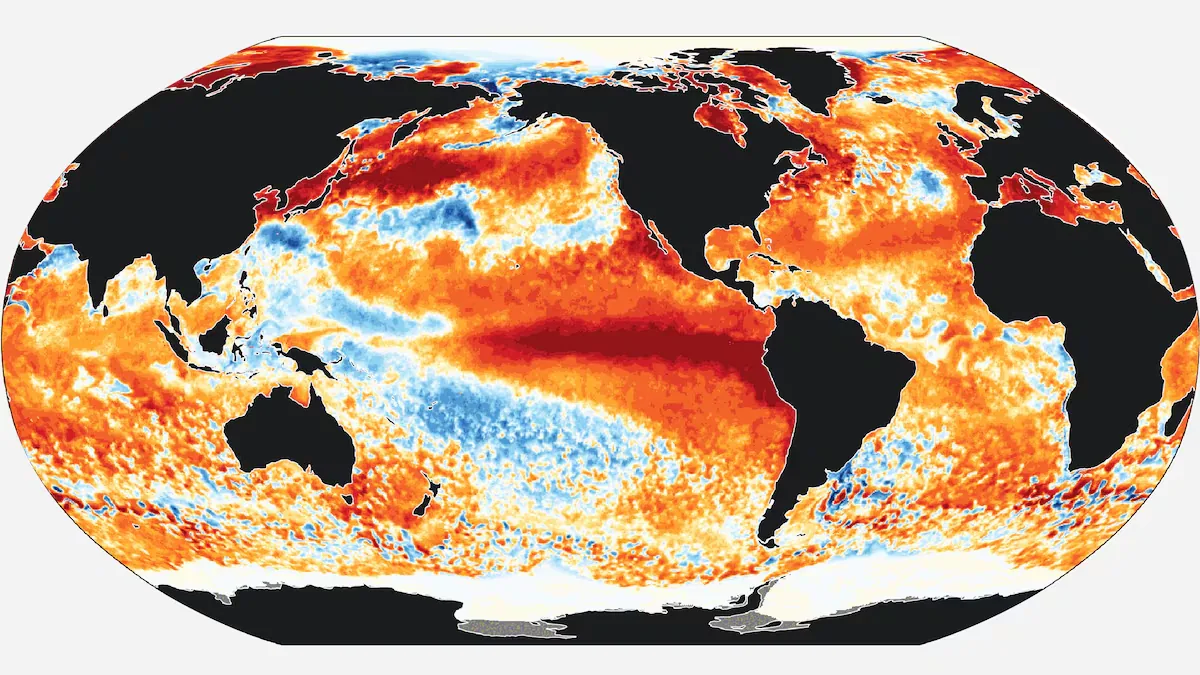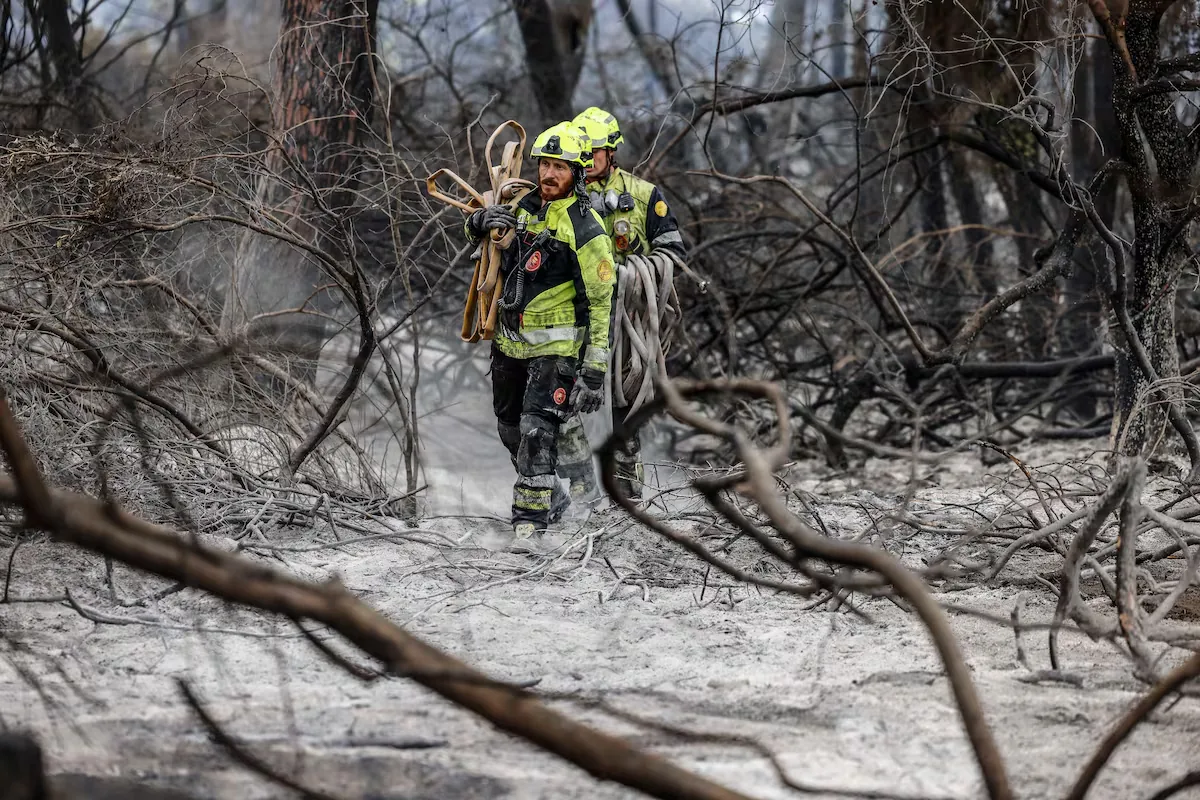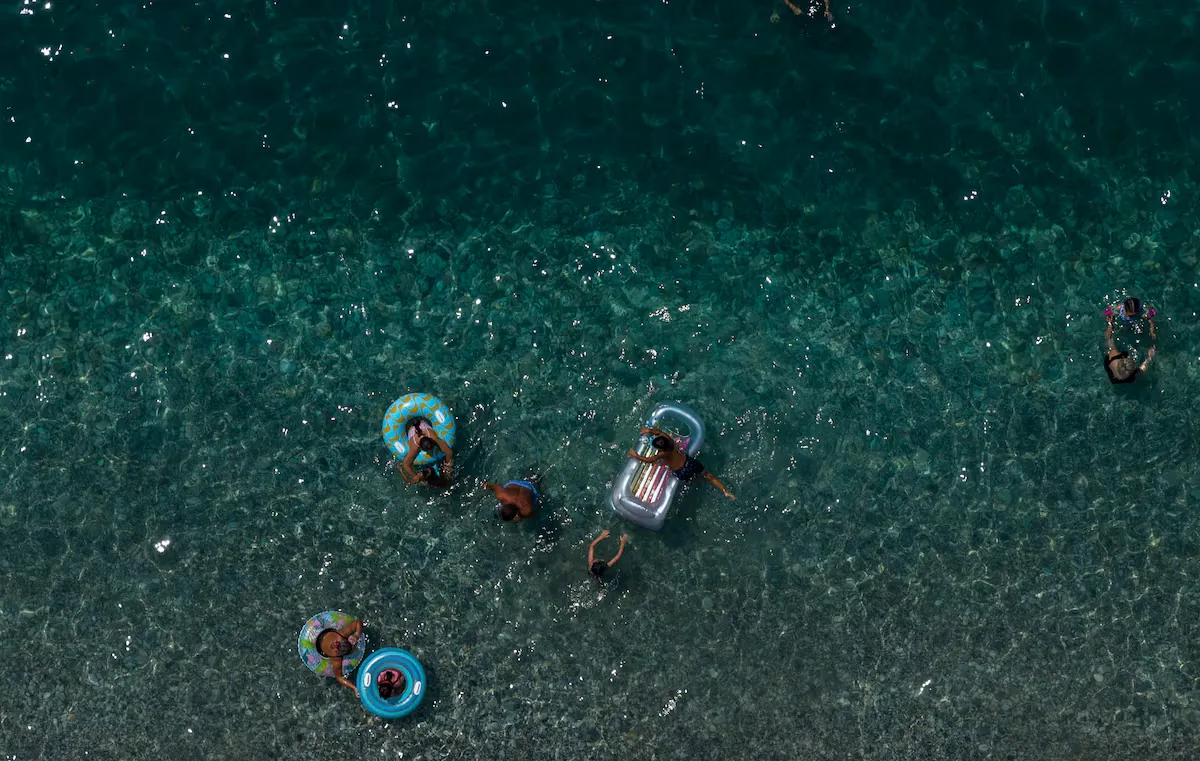
With summers like this, Europeans are increasingly clear about what the rise in surface temperatures caused by climate change means: more heatwaves, more deaths, more fires… However, not enough attention is being paid to what is happening in the sea. A new study by World Weather Attribution (WWA) presented this Wednesday confirms that global warming is causing record sea temperatures from Ireland to the Mediterranean. And it warns that this could have disastrous consequences, both for marine life and human populations, by increasing the risk of extreme rainfall events like the 2024 Valencia DANA.
Read more Daily ONCE coupon: check the draw for Tuesday, August 18
This is neither the usual heat, nor are these warnings related to any activism or left-wing ideology. World Weather Attribution (WWA) is a scientific organization that precisely analyzes to what extent climate change is behind extreme events such as heatwaves, droughts, or floods, through attribution studies. Scientists from Switzerland, Sweden, the United States, Ireland, and the United Kingdom have collaborated this time to assess whether global warming is also influencing sea surface temperatures to be higher than normal. After analyzing four coastal regions of Europe, from the Mediterranean to northern Europe, they have detected upward trends in all of them exceeding the global warming average. In the case of the Mediterranean, this rate is double the global average. And by combining these observations with climate model simulations, they have been able to attribute most of this trend to climate change, mainly caused by the burning of fossil fuels (oil, coal, and natural gas).
Not everything is climate change, as different factors influence the climate, but it is the primary cause. According to this scientific work, in this year 2026, 90% of the Bay of Biscay region and 80% of the western Mediterranean are experiencing severe marine heatwaves. However, the researchers estimate that in a climate without the current 1.4 °C human-induced warming, this impact would be reduced to 40%. Likewise, in the eastern Mediterranean, the current percentage is 70% and would be reduced to 9%. And to the north, on the Celtic coasts of Europe, without climate change, it would go from 80% to 30%.
“This summer has been exceptionally hot across Europe, but its impacts on our coastal waters have not been documented with the same depth. Our attribution analysis shows that anthropogenic climate change has directly added about 2 °C of temperature to the Mediterranean to date and more than 1.3-1.4 °C to the seas of Western Europe,” says Claire Bergin, researcher at the ICARUS Climate Research Center, Maynooth University (Ireland), and author of the study. “While warmer waters for swimming may be attractive to those who enjoy the beach in colder countries, like mine, the consequences for marine life are much more serious. This has the potential to completely transform the ecosystems on which coastal communities depend for food and income, and also to cause harmful extreme weather events on land.”
Regarding marine environmental impacts, the study warns that extreme water heat can cause mass mortality of habitat-forming species, such as corals, sponges, and macroalgae, with impacts spreading throughout the ecosystem. Likewise, marine heatwaves can also cause drastic declines in species populations by altering the food supply of top predators. According to scientists, the projected warming for the future will exceed the adaptation limits of many marine species and may cause the collapse of important fisheries, such as cod, haddock, mackerel, scallop, and lobster.
Read more Bonoloto: check draw for Tuesday, August 18
As for extreme events that also impact human populations, the study points out that marine heatwaves increase atmospheric humidity, which can trigger destructive storms later in the season. As an example, they cite the catastrophic 2024 Valencia DANA, in which more than 230 people died. However, WWA also emphasizes that, apart from climate change, natural hazards such as floods, droughts, and heatwaves become disasters as a result of society’s vulnerability and preparedness for these emergencies.
According to Ángel Borja, researcher at the Basque technological and research center AZTI, speaking to Science Media Centre (SMC) Spain, “I find it particularly interesting that the Iberian Peninsula (both in the Mediterranean and the Atlantic) is the most affected and will suffer the most from these extreme phenomena, since, as the authors say, we will face numerous problems: torrential rains, changes in species and habitats existing on our coasts, increase of invasive species, problems for human health, etc. “We have already been seeing these effects for some years, and they will certainly increase, but it seems to be a problem that society does not care about and that some populist politicians deny, with the effects that this will have on decision-making in the short and medium term,” he points out.
“In the area where I work, the Basque Country, this year we already had 25 ºC in the water at the end of June, and during the summer it has remained practically at 24 ºC. Previously, this temperature was only reached occasionally in August. This has caused the seabeds to change drastically, with the disappearance of the underwater landscapes that most characterized us and the appearance of many invasive species (I call it the invasivocene),” highlights the researcher, who states that massive arrivals of jellyfish, salps, and other species causing damage to fishing, aquaculture, or tourism are becoming more frequent.
Read more A judge sends the detainee who stabbed a young man at the Málaga Fair to pretrial detention