








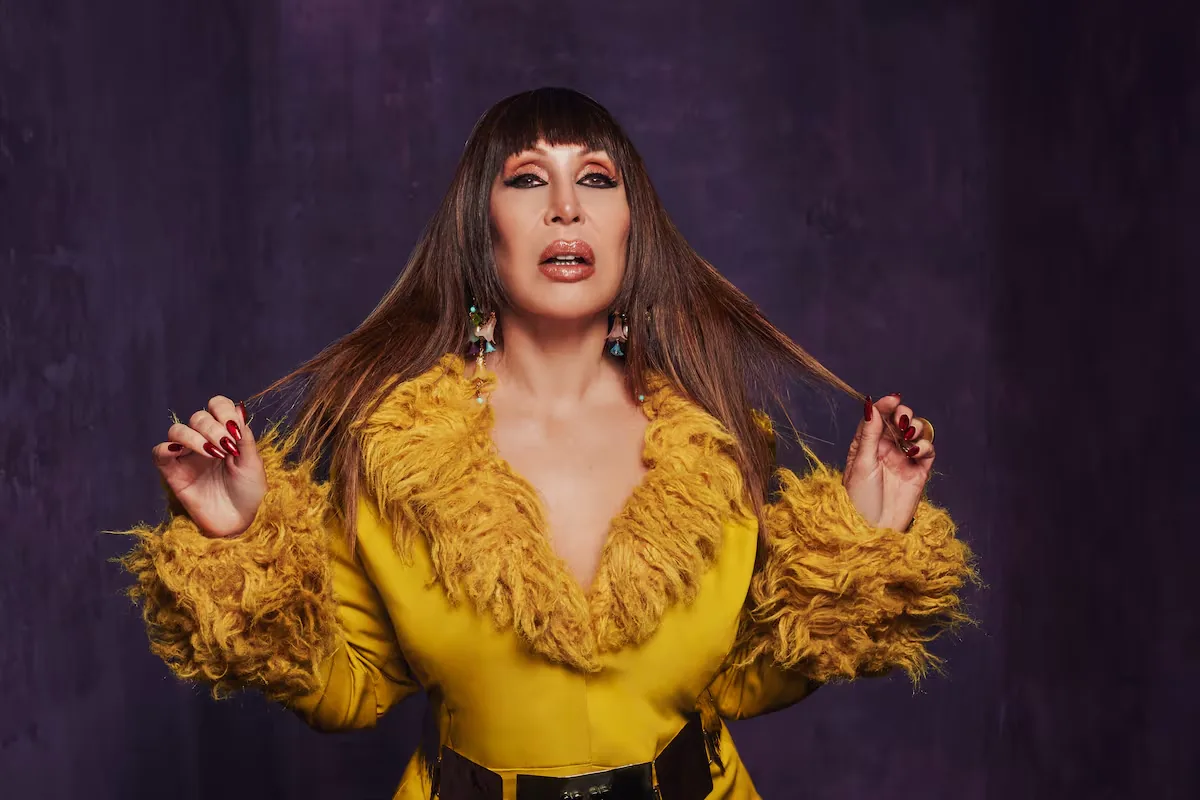
Ana María Casanova (Buenos Aires, 80 years old) liked to play being Jesus Christ as a child. Alone in her room, in her house in the Buenos Aires neighborhood of Villa Devoto, she pretended to die and resurrect. She has been fantasizing about immortality for so long that, in the end, she has achieved it. Someday, Ana María, the woman of flesh and blood, will die, but Moria Casán, the icon, is already an infinite myth.
She began her artistic career as a vedette in the late 1960s and has done everything in the world of Argentine entertainment. She has been the leading figure and sex symbol of revue theater, comedian, monologist, talk show host, dramatic actress, soap opera and sitcom actress, talk show host, talent show judge, businesswoman, restaurateur, panelist, polemicist, and candidate for deputy. Her latest resurrection is the series about her life, Moria, a Netflix production that has been the most watched in Argentina for a month and has entered the global top 10 of non-English fiction on the platform.
“I am the Obelisk with breasts, I am the Republic,” Casán proclaims whenever she can. It sounds a bit pretentious, but she does not exaggerate. She has been an omnipresent figure in the lives of Argentines for almost six decades, remains as relevant as when she started, and has no plans to retire. At just turned 80, she gets up every day at six-thirty in the morning and by nine is already wearing dizzying heels presenting La mañana con Moria, her three-hour morning show. At night she stars in Cuestión de género on Avenida Corrientes. In the play, titled Género de dudas in Spain, she plays a trans woman married to a politician on campaign.
“The secret of my immortality is that I love myself, prioritize myself, and choose myself every day. I don’t buy what I sell. I started in revue theater, where women were objectified. I wasn’t Norma Aleandro, I didn’t come from a theater academy. But as soon as I became the leading figure, I demanded by contract that no one could touch my butt on stage. If for the audience I was an object, I had to make it clear that I was a subject,” the diva explains in a phone conversation with EL PAÍS.
“The fundamental thing is to value yourself and not depend on others’ gaze. I always said: ‘I’m going to end up doing Shakespeare.’ And I achieved it,” she says triumphantly from her home in Parque Leloir, on the outskirts of Buenos Aires. In 2022 she starred in Julius Caesar, a free version by José María Muscari, at the prestigious Teatro San Martín in the Argentine capital. That same year, she opened the Mérida Festival playing the Roman dictator.
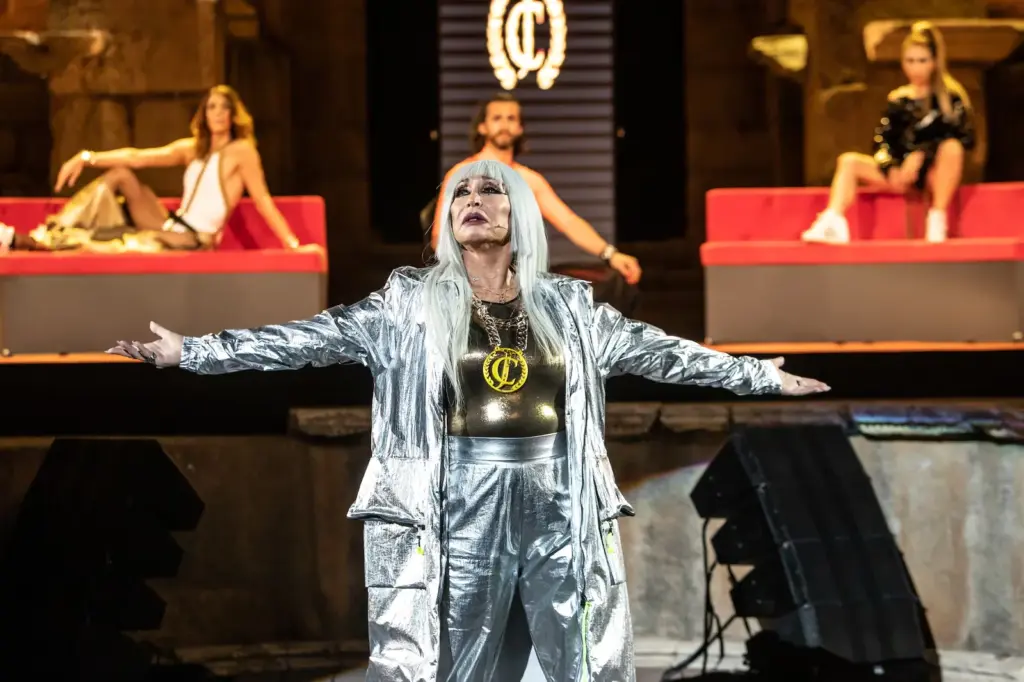
Casán does not seem to know failure. “But I’m not addicted to success. I’m addicted to life,” she clarifies. Part of her success is due to the honesty with which she always addresses the lights and shadows of her life. In her biopic she does not hesitate to point the spotlight at the darkest corners of her biography: the abuse she suffered as a child by a grandfather, the gender violence at the hands of one of her partners, the prostitution she engaged in while studying Law, addictions, or her time in a Paraguayan prison for drug possession. “Everything happened to me: I was abused, cheated, lost a lot of money, was in jail, had a drug-addicted husband, but I never played the victim. I suffered a lot, but I never settled in suffering because it seems useless to me.”
To guests who came to share their miseries on her talk show, she said: “If you want to cry, cry.” She, on the other hand, does not allow herself self-pity. “I don’t get emotional about my miseries. I only allow myself to cry with happiness,” she points out. She cries watching films by Sorrentino, Rossellini, or Bergman; rereading Women Who Run with the Wolves, or seeing two elderly people holding hands on the street: “I am moved by people’s emotion. I am a fulfilled woman who enjoys the beautiful things in life.”
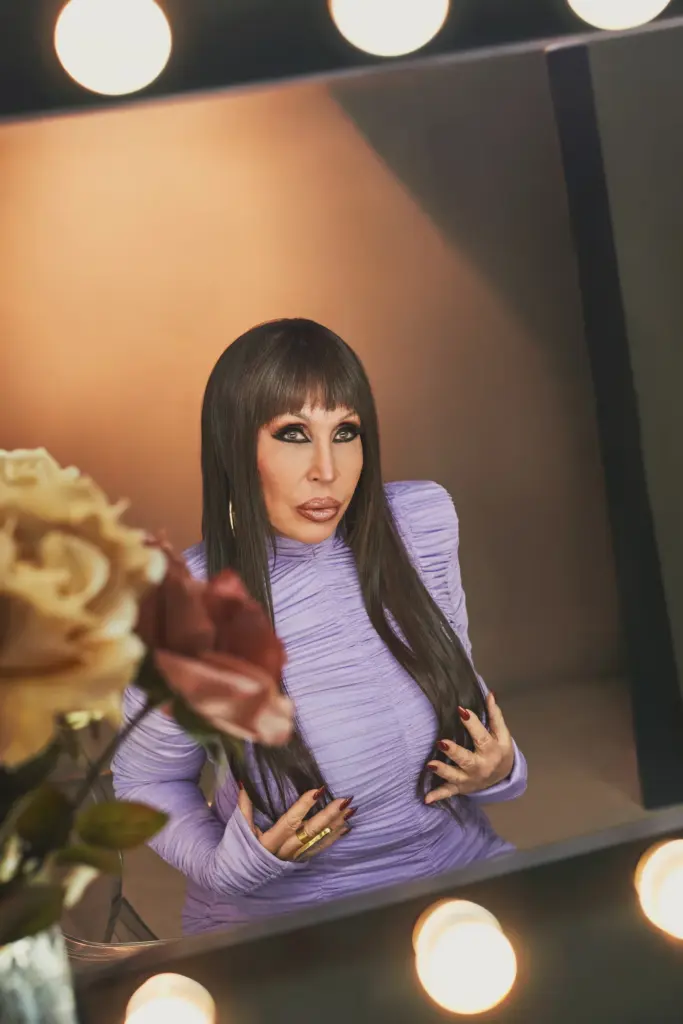
She always talks about “absolute momentism,” a term she coined to explain that she does not dwell on the past and does not waste time speculating about the future. Alaska borrowed the concept to name one of Fangoria’s songs. She says that thanks to that “absolute momentism” she has been able to overcome the traumas of her life. “I never went to a psychologist for the abuse I suffered. I never asked why it happened to me and I never hated men or women. You have to be very wise to understand that it’s not your fault when something like that happens. I was raised in a Catholic school, but I don’t handle guilt.” She does not know guilt. She also rarely asks for permission or forgiveness: “In other words, I live like a man. I broke the rules of submission and the mandates they imposed on us. I always say I have a penis that I use as a scarf. I am very phallic, but with a great feminine component.”
In the series, her own daughter, Sofía Gala, plays her younger self. Griselda Siciliani and Cecilia Roth portray her in maturity. Casán acts as the omniscient narrator of her story. “I didn’t ask to approve anything in the series and never went to the set to spy. I didn’t want to restrict the creators’ freedom. Of course, there is the queer eye of the director. Without the queer eye, I would be lost,” she says, referring to Javier Van de Couter. In 2015, the filmmaker directed Historia de un clan, a successful miniseries that tells the story of the Puccio family, who in the early eighties were involved in kidnapping and murdering businessmen close to them. In 2025, Van de Couter directed Cris Miró, the biopic about Argentina’s first trans vedette. “We queers have a different sensitivity: we don’t respond to the herd. We don’t depend on others’ acceptance,” Casán maintains.
Read more The methods AI can use to kill us
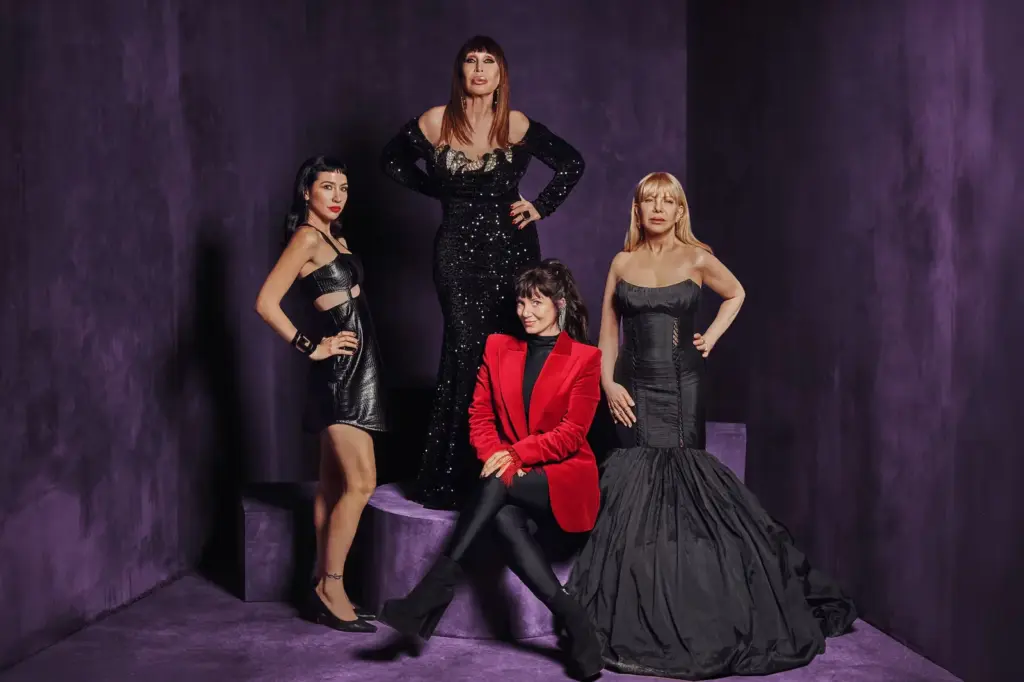
She has been a reference for the LGTBIQ+ community in Argentina for decades. She is also one for many feminists. “My relevance lies in having a mindset that moves faster than time,” she assures. She was a pioneer in defending women’s emancipation and sexual freedom, abortion, single motherhood, and topless on beaches. She was also one of the first to give visibility to trans women on television and theater and sponsored queer symbols like Ana Lupez, Cris Miró, and Batato Barea.
Politically, she is unclassifiable. She was close to the neoliberal Carlos Menem but has also defended Cristina Fernández de Kirchner. She is deeply progressive but has acknowledged maintaining a cordial relationship with Javier Milei. She defines the president as “a disruptive man, who surprises with his character, personality, and what he represents.” “I am free of labels. I am a democrat, and those of us who believe in democracy have to respect the majority’s vote. In 2005 I ran as a candidate for deputy with a center-right party but discovered that I am better at doing politics from the stage. I defend freedom with my work.”
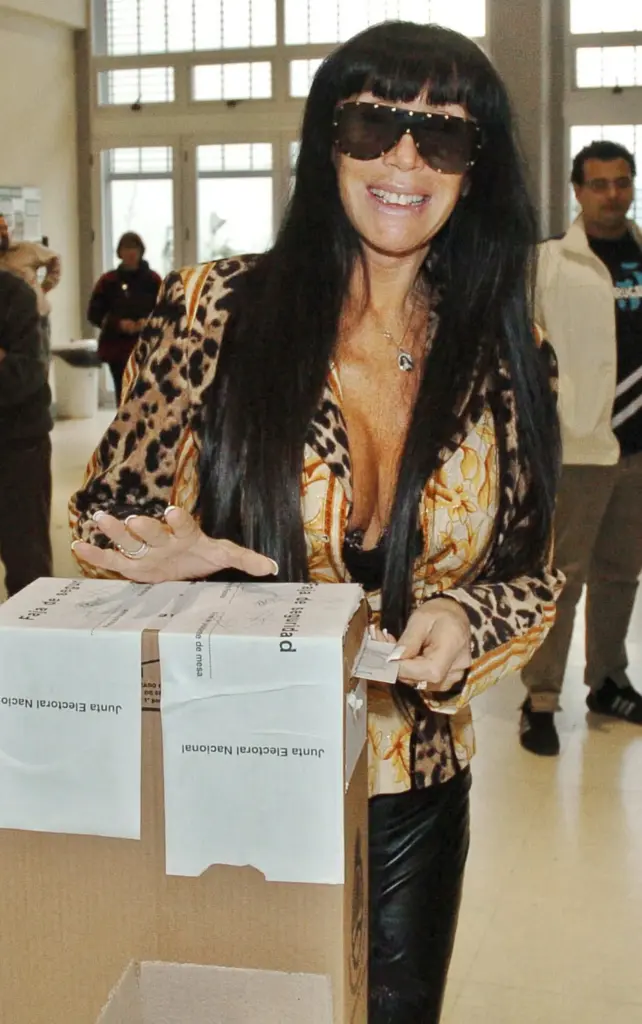
She is not worried about the advance of the far right or the threat to the rights of the groups she has always defended. “I don’t worry, I take care. True activism is taking care. I’m like a helicopter, always flying over the area,” she says. “But I can’t do anything against backward minds. You can break an atom, but you can’t break a prejudice.”
She has broken them all. At 80, she remains an erotic myth for Argentines and, above all, for herself. “I look in the mirror and I like what I see. I have a little bit of fat, but welcome it is. I wouldn’t go into an operating room for anything. I have a baroque body, I keep my waist and hips. For being 80, I’m very good,” she admits. “Sex at 80 is with many devices, with many sex toys. I have the biggest sex shop in the world. Batteries can’t be missing. And if they are, I have my hand or the hand of the gentleman who accompanies me,” she admits.
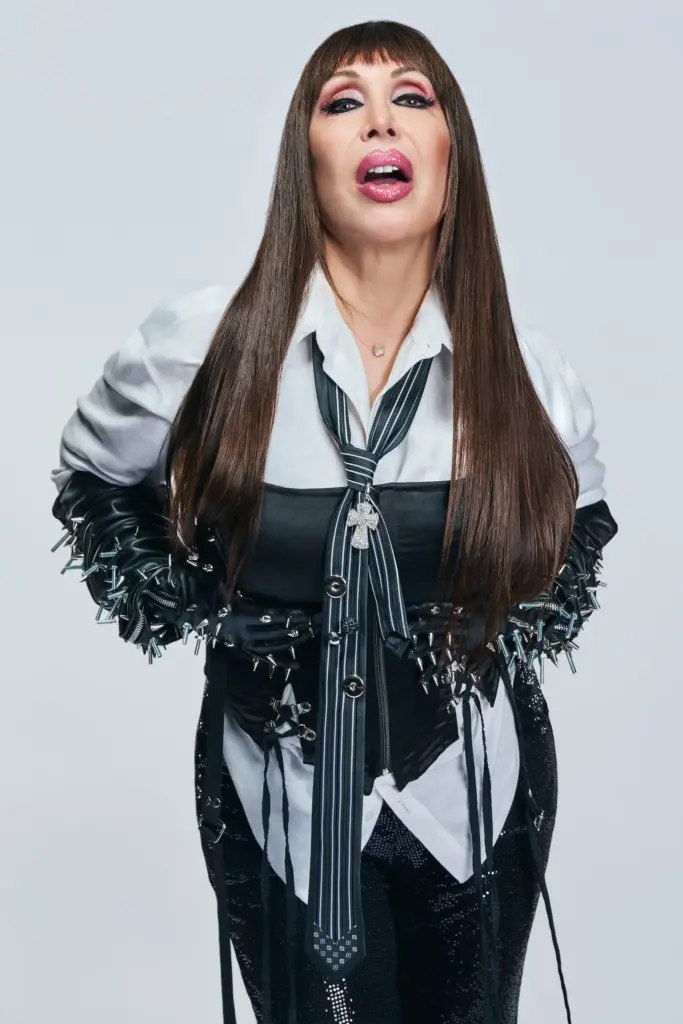
Her partner is former Peronist politician Fernando Pato Galmarini. She has declared that she would like to marry him at the Boca Juniors stadium, in the popular La Boca neighborhood. It would be her fourth wedding, but she clarifies: “The love of my life is me. I’ve had so many men I don’t remember all their names.” She celebrated her last birthday in the Caribbean with her assistant, Galo, coinciding with the premiere of Moria. The success of the series has been her best gift. “Telling my life while I’m alive, with my daughter playing me… What more could I ask for?”
She has been studying Kabbalah and Quantum Physics with a rabbi for eight years. According to Jewish mysticism, human beings have a soul divided into five levels, where the highest transcend the physical plane. “I don’t think about death. I want to be immortal. I am already living many lives and when I die I would like to donate my organs to continue living in other people,” she explains. In a way, she already inhabits others. She is the most imitated famous Argentine in comedy shows, drag queen contests, and queer clubs. “There are so many people who do me. Many tell me that by imitating me they not only make a living but also inhabit me and receive the love they don’t have at home.”
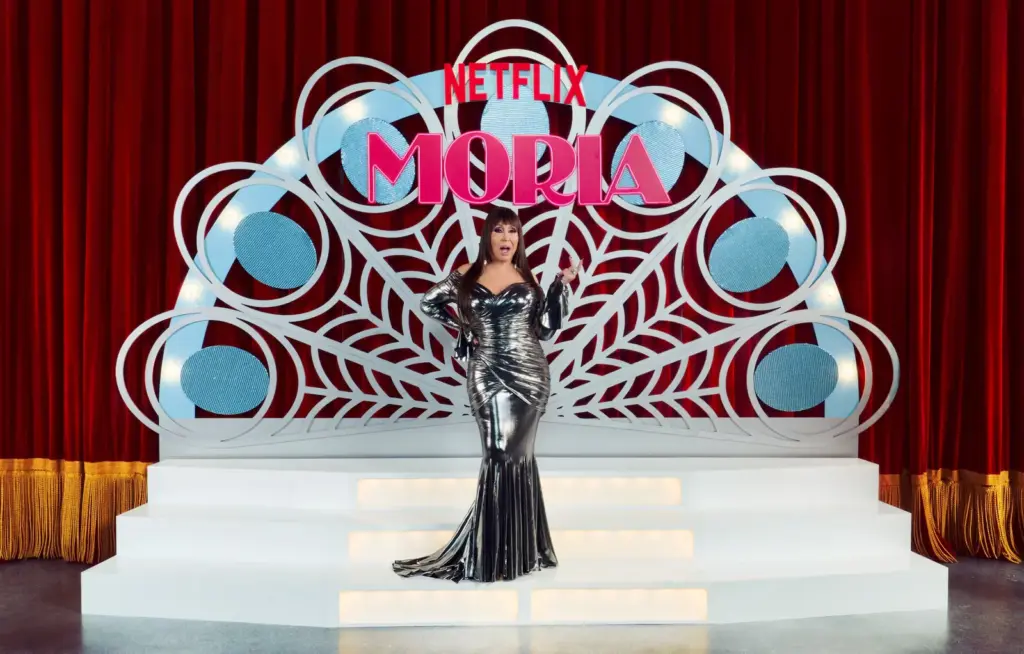
Casán is already eternal, like the Obelisk, Gardel, Evita, or Maradona. In the summer of 2022, while bringing Julius Caesar to life at the Roman Theater of Mérida, she felt eternity in her flesh. “I was supposed to close my eyes when Brutus killed me, but I couldn’t. I died with my eyes open. And there, lying on the floor of that theater with 2,000 years of history, under a starry sky, I resurrected.”
Read more How is a map made? The problem of flattening the Earth and why the UN abandons Mercator