








Israeli Prime Minister Benjamin Netanyahu has ended the main difference that existed in Lebanon between wartime with Hezbollah and the ceasefire that has been in place on paper for six weeks and has been almost completely emptied of content. The exception was to leave Beirut and its surroundings out — as imposed by the US — of the massive bombings carried out in the south of the country and in the Bekaa Valley. They have only been carried out sporadically to kill Hezbollah leaders. This Monday, with the green light from Donald Trump and exultant over the advance of his troops in the south — they planted the national flag on Beaufort Castle, full of symbolism for many Israelis, as they withdrew from there 26 years ago — Netanyahu took a further step by ordering to “attack terrorist targets in the Dahiye neighborhood in Beirut,” the Shiite suburbs south of the capital.
Read more The double neo-reactionary coup d’état
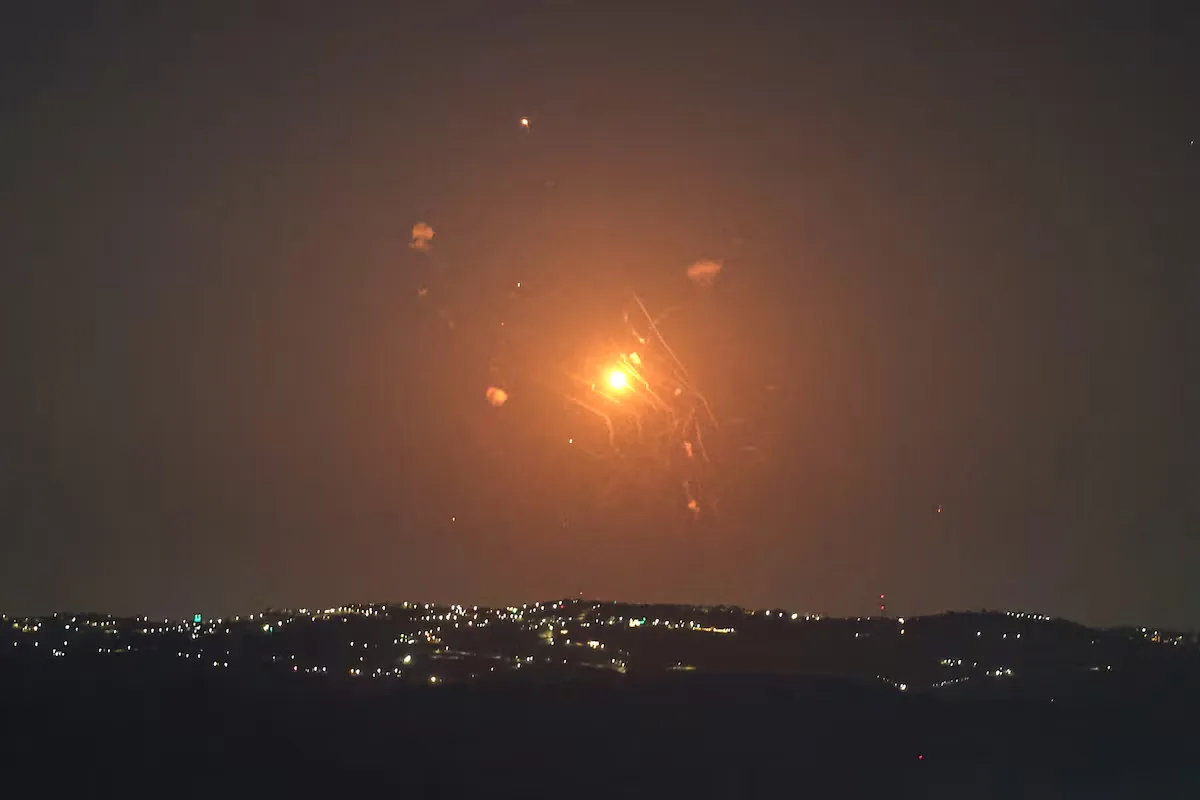
The Israeli leader announced the decision hours after Hezbollah responded to the advance of his troops to the north, increasing the quantity and, above all, the range of their projectiles. The militia focuses on causing casualties — about a dozen during the nominal ceasefire — rather than the almost impossible task of preventing ground progress.
Until now, Israel had launched drones mainly against troops inside Lebanon or in towns near the border. In recent hours, however, it has even reached Safed, a city 14 kilometers from the border, and fired projectiles at others it had so far kept out, such as Acre or Kiryat Shmona.
In the last 24 hours, the Israeli army has announced the death of two more soldiers due to its main Achilles’ heel: attacks by the Islamist militia with cable-explosive drones.
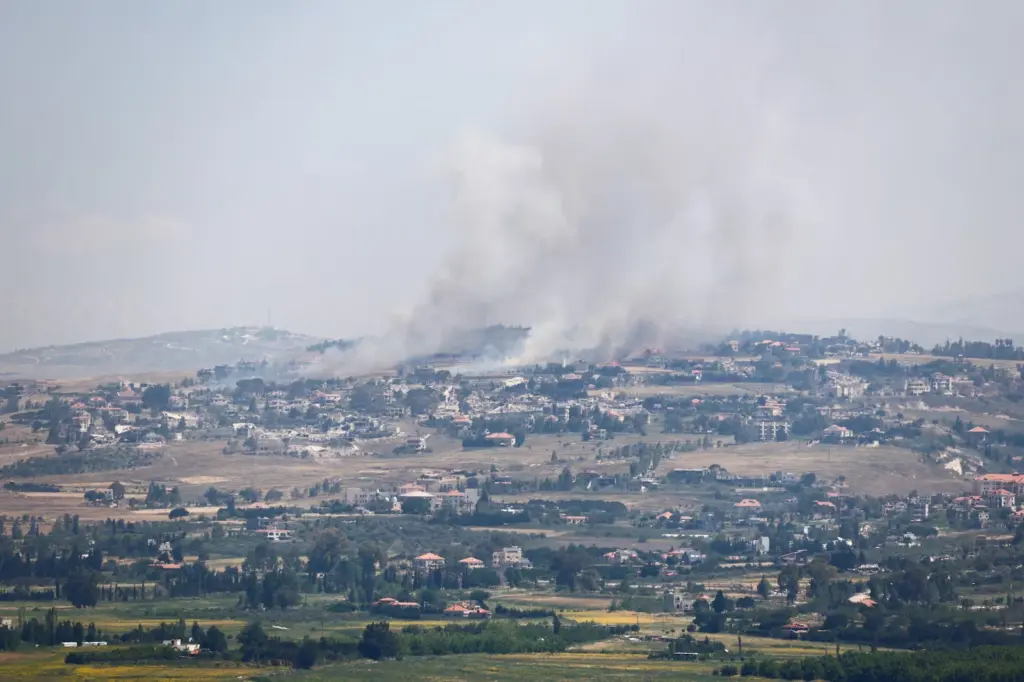
Despite the formal existence of a ceasefire, Netanyahu has been significantly increasing his offensive in Lebanon in recent days, just months before a contested election. This Monday — unlike the usual procedure, in which military spokespeople in Arabic anticipate hostilities with evacuation orders directed at the Lebanese population — the leader announced the imminence of the attacks in Hebrew on his official profile.
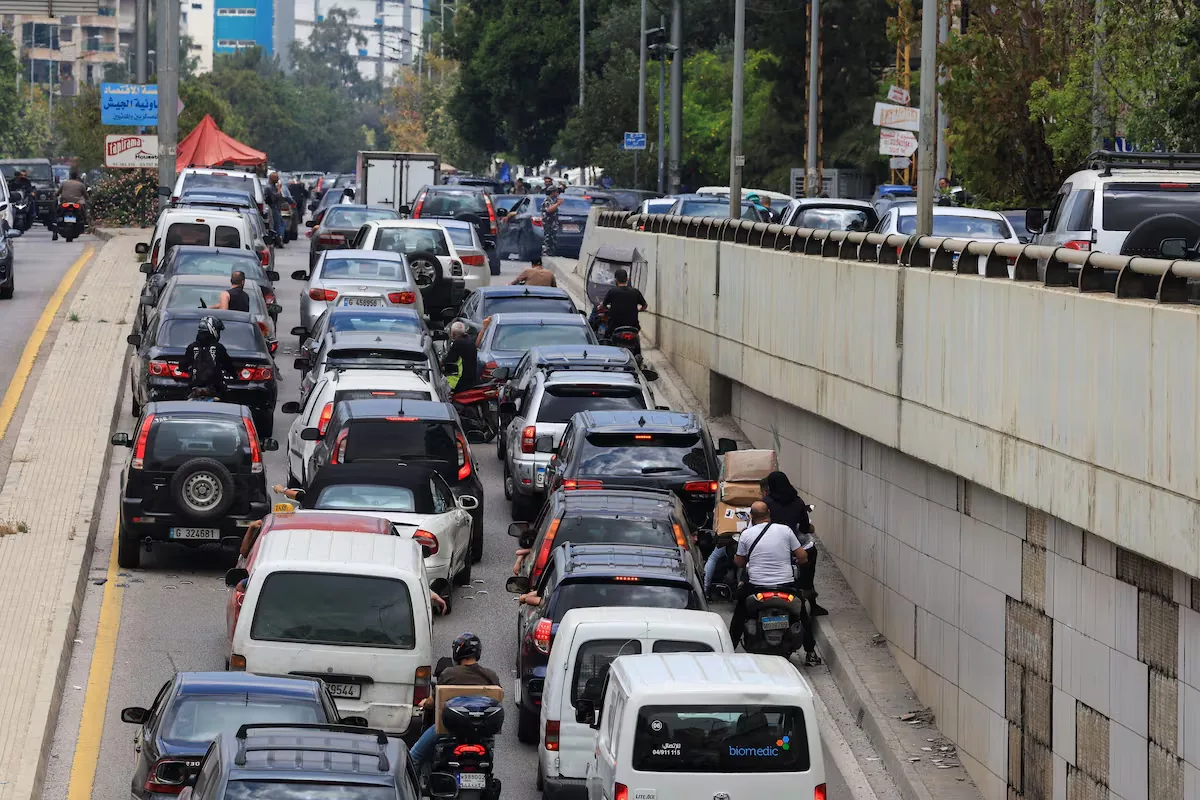
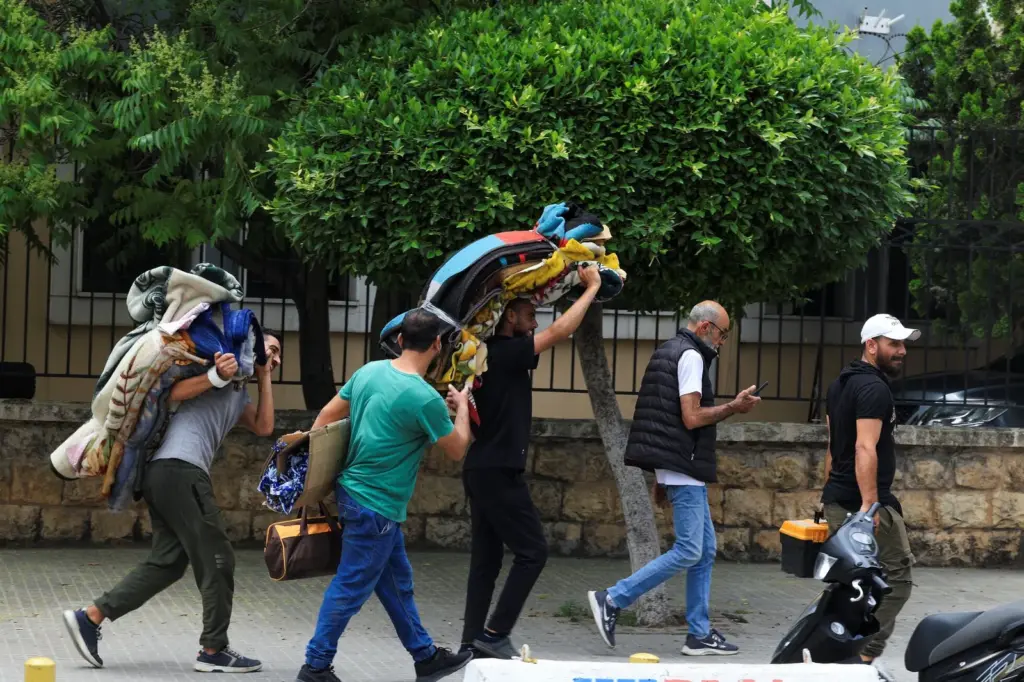
Tens of thousands of residents of Dahiye — as the Beirut suburbs are known, home to 700,000 people — have begun a new mass exodus following Netanyahu’s statement, causing traffic jams on exit routes. Meanwhile, in the neighborhoods of the capital where Hezbollah does not have a traditional presence, a reduction in movement is perceived, in an atmosphere of contained tension in which individuals and institutions cancel plans out of caution.
The Israeli intensification comes in the face of the imposed obligation to respect another (more important) truce that it does not want: that of the United States and Iran. Precisely, the spokesperson for the Iranian Ministry of Foreign Affairs, Esmail Baghaei, cited Israeli military actions in Lebanon among the obstacles to an agreement with Washington, along with the lack of trust with which the process began and Trump’s “constant changes” in stance. Baghaei stated that “a ceasefire in Lebanon is an integral part of any agreement to end the war” and that “everything happening” there “necessarily involves the US as a party.”
Tehran, however, has been avoiding undermining the ceasefire with Washington to protect its ally, Hezbollah, from Israeli attacks, which have caused more than 600 deaths since April, and more than 3,400 since a month earlier. In practice, it has disconnected both truces.
Read more Public Account 2026 in Chile, live | José Antonio Kast delivers his first speech before Congress
Security Council Meeting
The United Nations Security Council will hold an emergency session on the conflict in Lebanon this Monday, according to diplomatic sources cited by the France Presse agency. France, which has strong ties with the territory after having a mandate over Lebanon during the decades prior to its independence in 1943, requested the session on Sunday. “Nothing justifies the great escalation taking place in Lebanon,” protested President Emmanuel Macron.
This Monday, Lebanese President Joseph Aoun described the Israeli offensive as “brutal and condemnable.” Even the Minister of Justice, Adel Nasar, and member of the Lebanese Phalanges — a Christian formation and domestic enemy of Hezbollah — told the press that “the systematic Israeli bombing of neighborhoods, homes, and monuments hinders the negotiation process” that the governments of Israel and Lebanon maintain in the US. Nasar also demanded that the Shiite movement “stop its military adventures” and support “the state and its institutions.”
Although they advocate negotiations with Israel as the only way to remove the country from the cycle of violence, Lebanese leaders seek balance by denouncing the attacks of those sitting on the other side of the table, which cause dozens of deaths daily. 41, just on Sunday.
Besides now putting Beirut in the crosshairs, Israel has been increasing its bombings in the south. The situation is very different just over an hour’s drive south of the capital, where the Zahrani River is located. On Wednesday, Israel designated everything south of that waterway, which flows 40 kilometers from the unofficial border, as a “combat zone” from which Lebanese must flee since “any movement” in the area would endanger their lives.
However, on Sunday night, the Ministry of Health recorded what it described as a “massacre” in Deir Zahrani, a municipality north of the restricted area. The Israeli attack caused eight fatalities, including three women, and 19 injured, six of them minors. These incidents lead some Lebanese to dismiss the idea of exile, as they do not perceive any safe places in the country.
In Israel, the leader of the opposition party The Democrats, Yair Golan, reacted by accusing Netanyahu of intensifying attacks in Lebanon “without political objective, exit strategy, or security horizon” for residents in northern Israel, the main target of Hezbollah projectiles.
Read more Jordi Martí Galbis, on the struggle of candidates in the Junts primaries: “We must transcend labels”