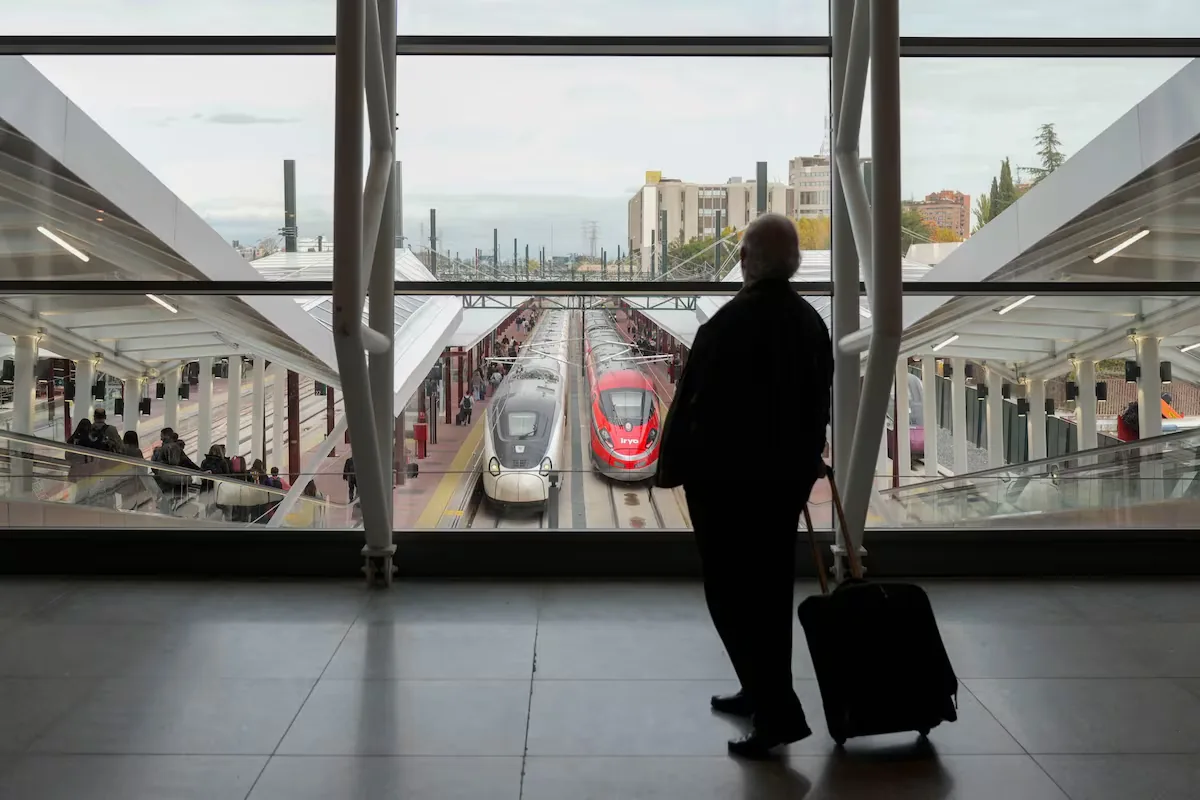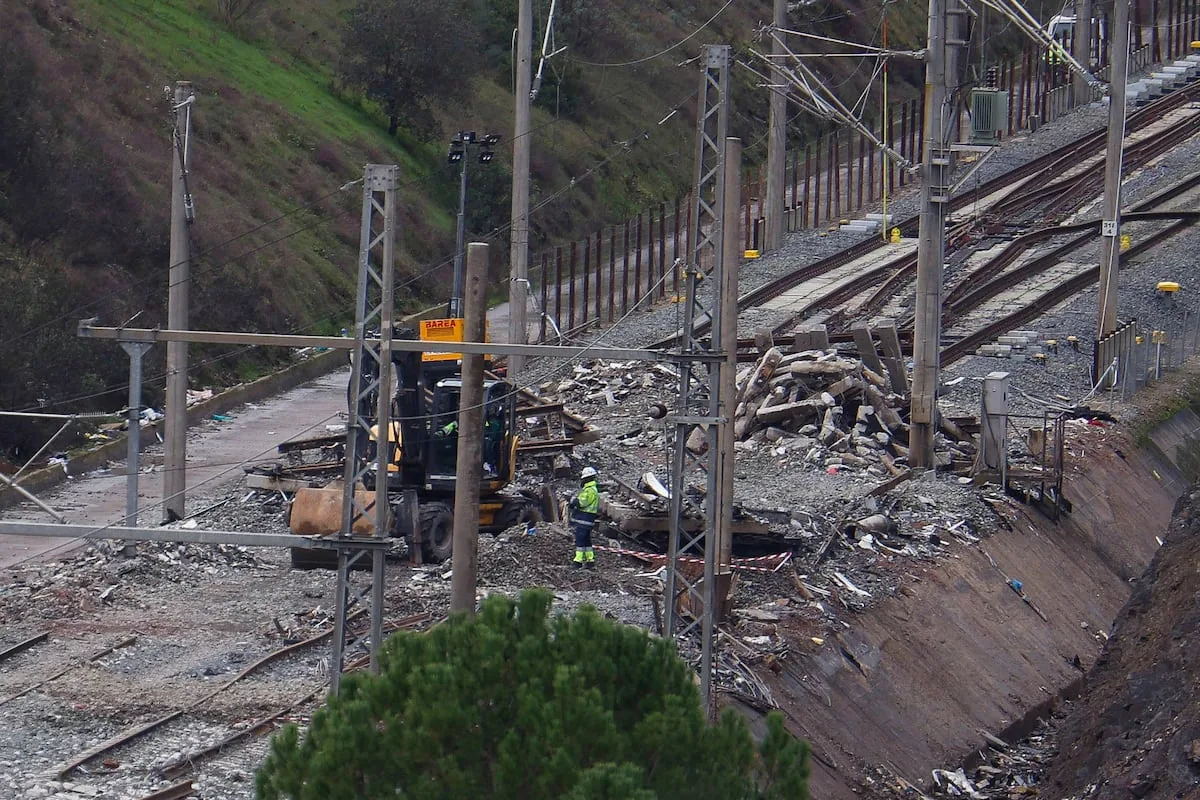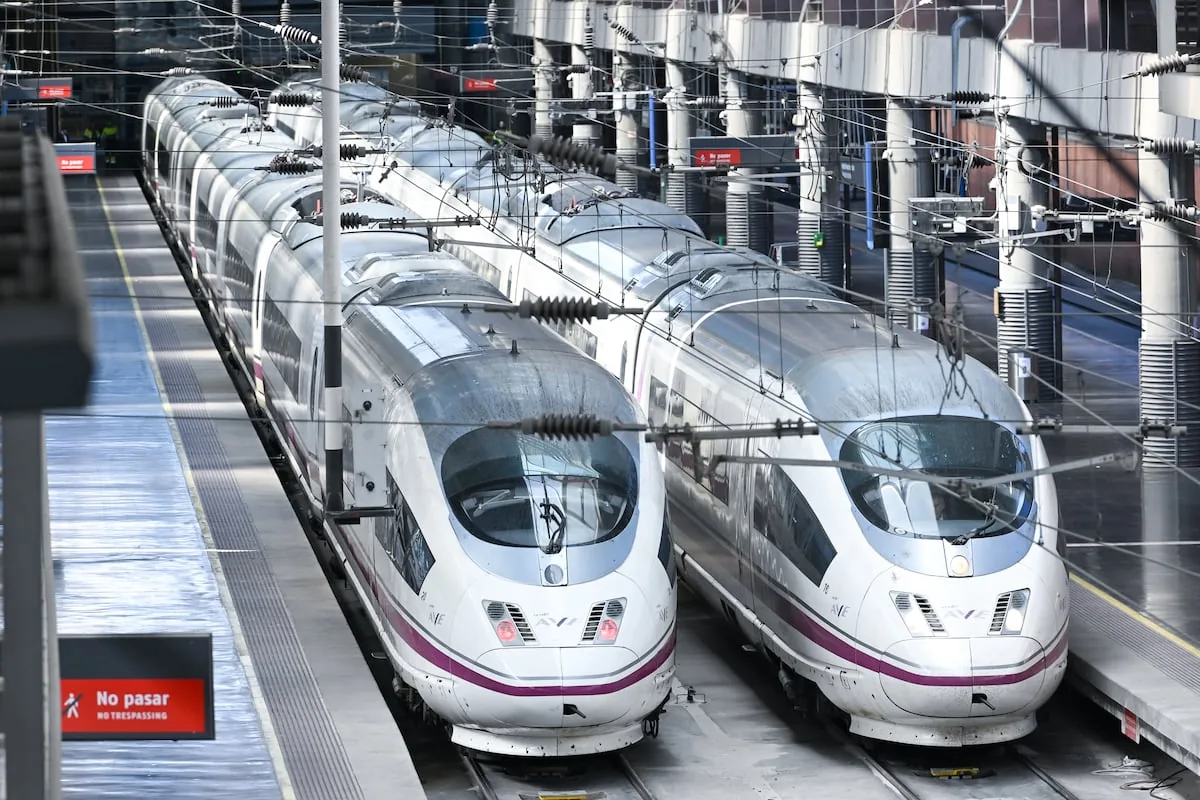









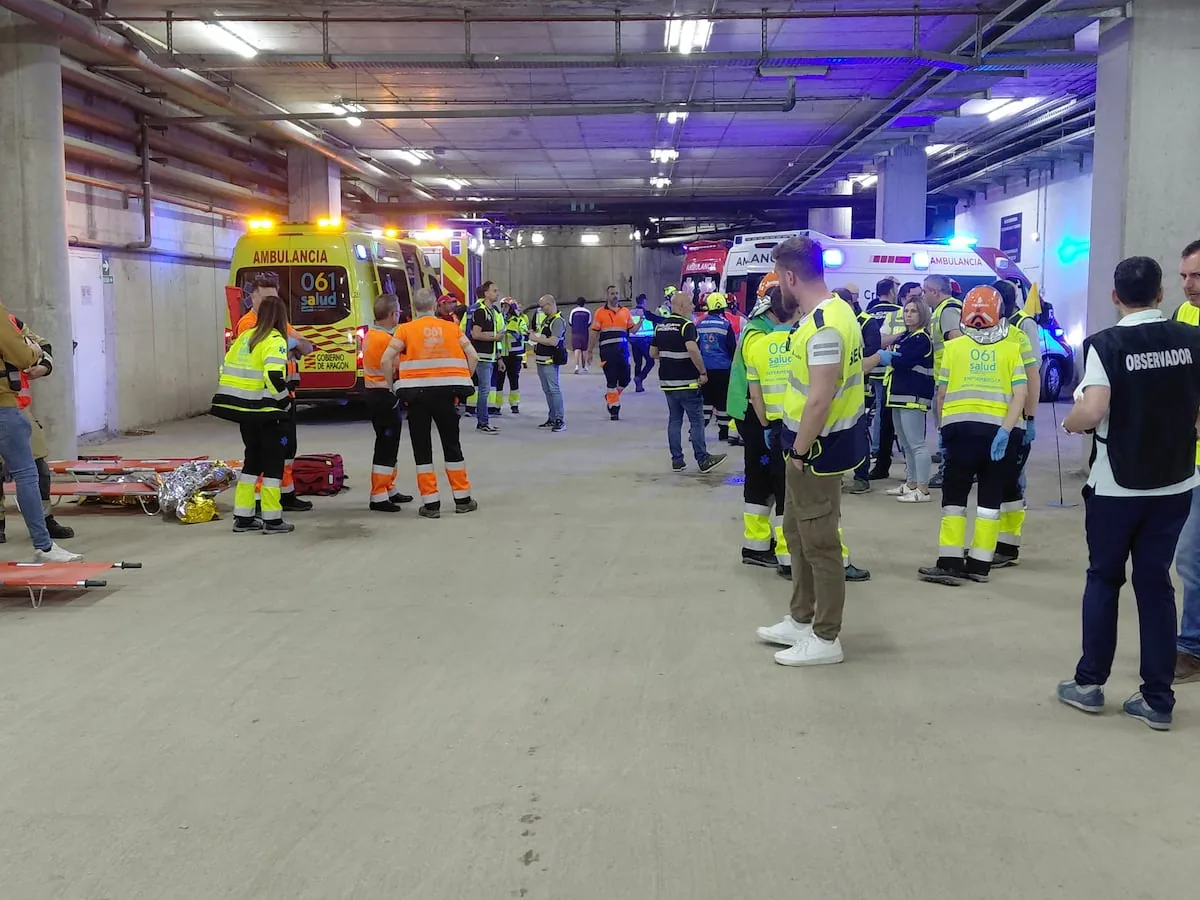
Zaragoza-Delicias railway station was the scene this Tuesday of a railway accident simulation in which high-speed operator Ouigo, infrastructure manager Adif, and the Government of Aragon measured their capacity for coordination and response to an incident on the tracks. Barely three months have passed since the tragedy that occurred on January 18 on the Madrid-Seville line as it passed through the Cordovan town of Adamuz. The derailment of an Iryo train and the subsequent collision with a Renfe Alvia left 46 fatalities and more than a hundred injured. The case is under investigation, seeking the cause of the derailment and to understand the response of the companies and services involved, from infrastructure maintenance to victim care.
The simulation in Zaragoza involved 350 personnel, coordinated by the Security and Civil Protection service of Aragon, and included 60 Ouigo professionals on the ground and from the operations center in Madrid. The train that simulated the accident on the Madrid-Barcelona high-speed line carried 65 passengers, a very low occupancy for what is usual on the corridor but which served as a test.
Ouigo took the first step by issuing the emergency alert and activating its Plan for Assistance to Victims of Railway Accidents and their Families (PAVAFF), making a free 900 number available to the victims’ relatives. It also established three Family Care Centers at the Zaragoza, Madrid-Atocha, and Barcelona-Sants stations. Ouigo Spain’s Head of Security highlighted “the importance of these simulations for practicing coordination among all involved entities”. From his point of view, in a sector like rail, “it is essential to maintain a high degree of collaboration among the different actors in the system at all times, but especially in emergency situations, which require a joint response”.
The exercise also served to test the functioning of the judicial and forensic aspects, in connection with emergency services. At the same time, Adif and Ouigo themselves were able to test their emergency notification systems and response mechanisms. The simulation covered the transfer of alleged victims to hospitals, the triage or classification of victims based on severity, psychological support, the custody of affected persons’ belongings, the identification of bodies, and data management from the information center and those enabled for family care.
Read more Nestlé announces layoffs of up to 7% of its workforce in Spain
Alongside Adif and Ouigo, members of the National Police, the Ministry of Transport, 061 Aragon, Civil Guard, Zaragoza City Firefighters, the Military Emergency Unit, professional associations of Psychology and Social Work of Aragon, personnel from the Institute of Legal Medicine of Aragon, Red Cross, Zaragoza Local Police, and Civil Protection volunteers participated. This exercise required 70 extras, including vocational training students in the field of emergencies and students from the Escuela de Teatro de las Esquinas (Zaragoza).
System for major incidents
Ouigo explains that once the emergency was notified to 112 Aragon, the Government of Aragon activated the Territorial Civil Protection Plan of Aragon (PLATEAR) at emergency level 2. Automatically, the Aragon Multiple Victim Procedure (PROMUVI) was also triggered, which has been put into practice for the first time. PROMUVI was developed by Civil Protection in the last year for the management of high-impact emergencies.
The procedure regulates issues such as healthcare and psychosocial attention for victims and their families, and establishes guidelines for the actions of the Institute of Legal Medicine of Aragon and judicial police in managing incidents with a high number of fatalities
Read more Pedro Martínez, named best coach of the season in the EuroLeague