When President Abelardo de la Espriella went to bed on August 7, after being sworn in in Cali and celebrating his victory, he was convinced that his announced Miracle Homeland plan had a clear path to be executed and shape Colombia with an iron hand and the intervention of the United States.
Read more Ninety, sixty, ninety
According to his initial speech, it was a vision that would have a National Development Plan supported by several pillars: security, order, justice, transparency, decentralization, fight against communism, aerial fumigations, Shield of the Americas.
But nature, capricious and wild, took care three days later to awaken all fears, shatter dreams, ground vanities, and make communities demand the reconstruction of their municipalities, amid an internal war, a sharp fiscal deficit, a convulsed world, and a country besieged by polarization, war, and hatred.
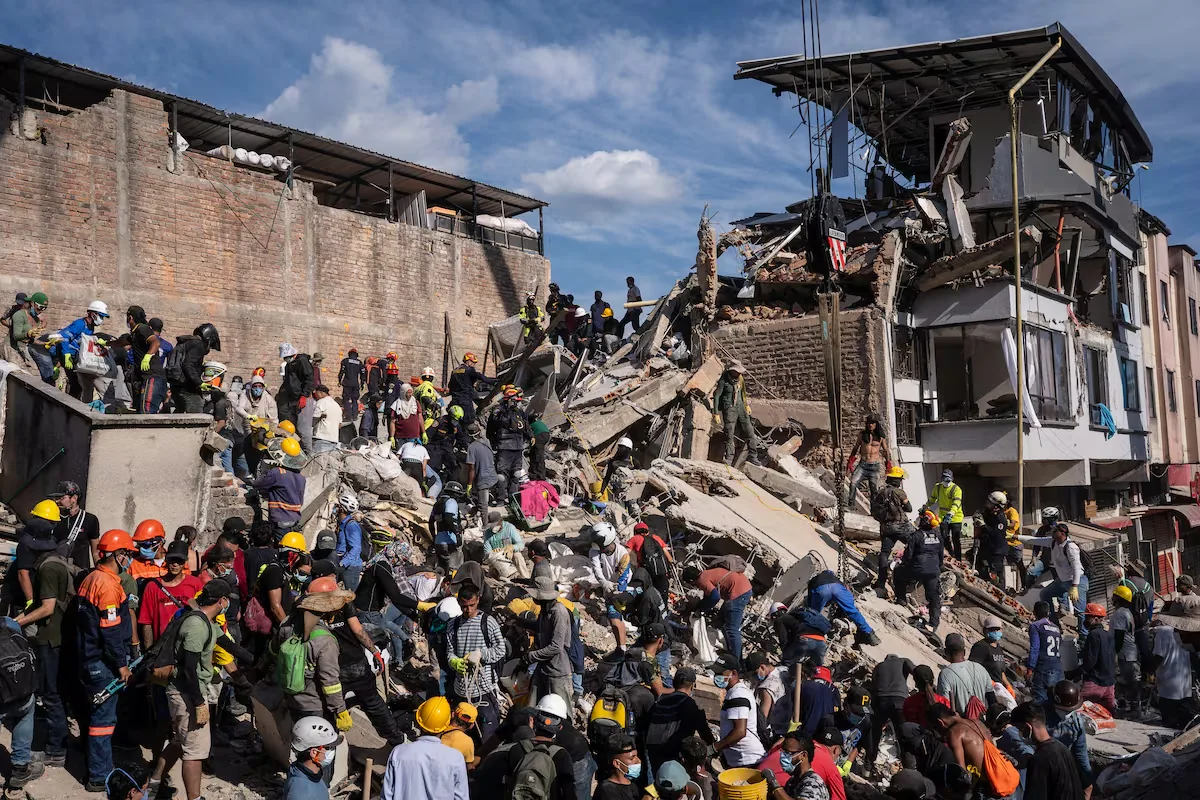
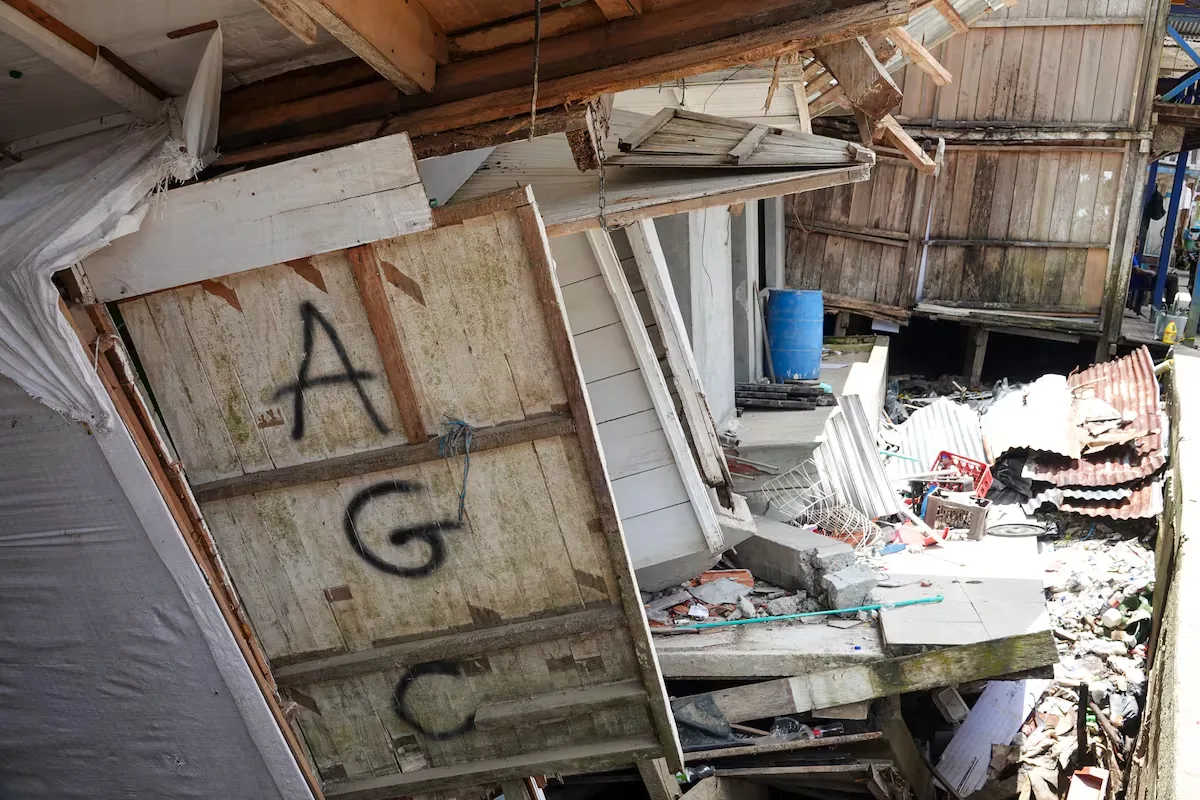
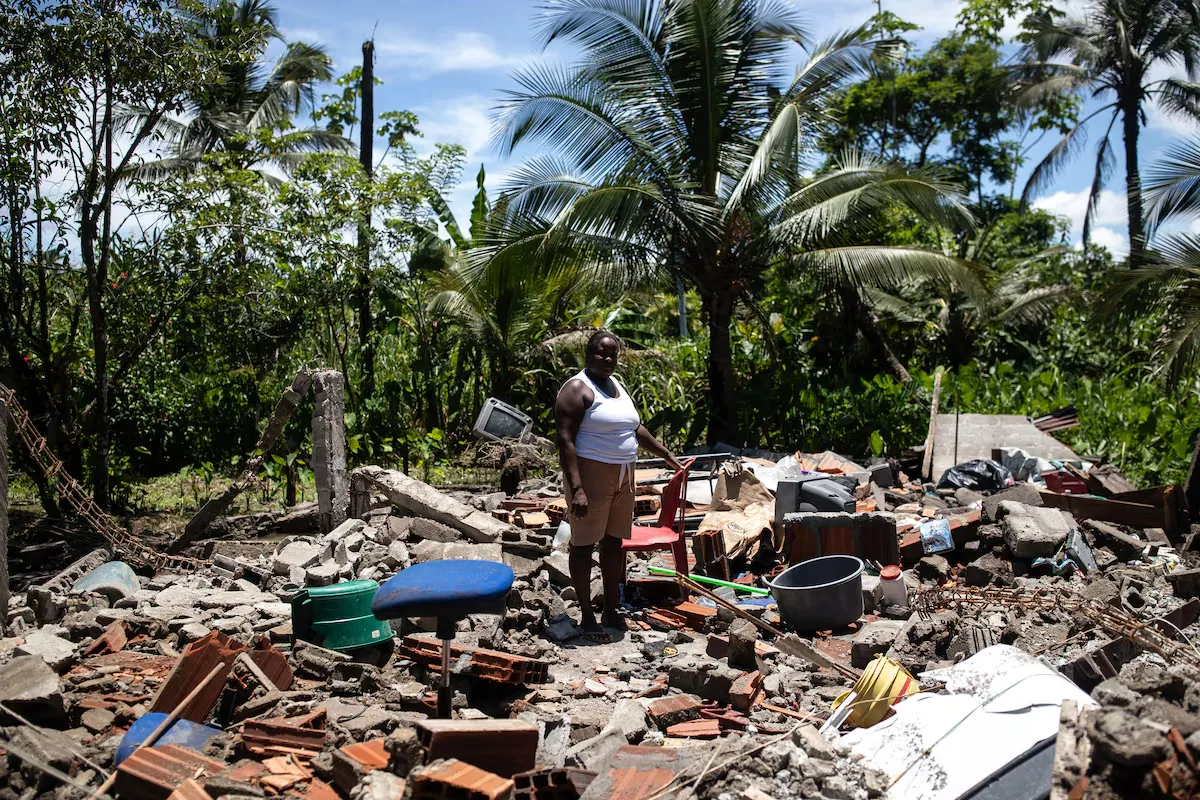
The task is gigantic. Colombia has suffered the worst earthquake of this century, which has left more than 300 dead, the same number missing, nearly 5,000 injured, hundreds of buildings in ruins. The initial amount for reconstruction is estimated at more than 30 trillion pesos, but the figure could increase over the days. An incomprehensible amount for most Colombians, but dramatic in the minds of those responsible for national finances, who will have to find money where there is none to steer the country’s course after the natural disaster.
And worst of all, it has not stopped shaking, neither in Colombia nor in the neighborhood. The tectonic plates keep moving, and panic sleeps with Colombians, who at the mere sound of a gust already believe buildings will collapse on their heads. While the aftershocks keep communities terrified, authorities seek resources, technical assistance, international cooperation, soft loans, and a runway for a tax reform.
The question is who will pay the bill, which always leaves rulers without political capital. Starting their term, imposing levies that reduce the middle class and push thousands into poverty is not a good alternative for any leadership. The economic team landing at the Treasury has a difficult task with empty coffers, a fractured country, and people suffering the tragedy. Hunger and desolation are bad friends of political marketing.
Saying these are times of unity is obvious; achieving it is a titanic task. Polarization does not relent. Government fanatics and Petro supporters continue their political campaign. One must look at history and apply lessons learned from other natural disasters.
One of those tragedies was the avalanche from the Nevado del Ruiz volcano, which wiped out the municipality of Armero, in the department of Tolima, during the government of Belisario Betancur. And the Armenia, Quindío earthquake on January 25, 1999, which left a thousand dead, hundreds injured, and an immeasurable devastation of that city in the Coffee Axis. In both cases, Colombia was able to recover, with a reconstruction plan that had a key concept of social fabric recomposition, fight against corruption, and efficiency in managing public resources and international cooperation.
These two examples allow us to suppose that the management of the reconstruction of the August 2026 earthquake, as Mockus said, will build on what has been built, with a vision of unity, apply the lessons learned, and prevent the political instrumentalization of the victims.
Read more Watch and Punish
The country expects that the manager of the Miracle Fund, Jaime Andrés Uribe, applies the lessons of Luis Carlos Villegas, president of the board of directors of Forec, the famous Fund for the Reconstruction and Social Development of the Coffee Axis, whose insights are very valuable. Opportunism by politicians must be kept away, technicians close, resources well cared for so that not a single cent is lost, and victims and communities very attuned so they are protagonists in the reconstruction of their own future.
The process of Colombia’s rebirth after the earthquake must become a huge opportunity to unite the country around a single purpose. Therefore, no strategy can be linked to the symbolism of the electoral campaign, which ended on August 7, and was surpassed by the magnitude of the earthquake. What follows is a strategy of demolishing hatred, extinguishing the electoral fire, and recovering the social fabric. Reconstruction is well worth a national dialogue process among political forces in Congress, to draw a roadmap that dignifies victims, rebuilds the social fabric, and moves Colombia forward.
Alongside reconstruction is the culture of prevention and response to new earthquakes in Colombia. Also education around climate change, which is an agenda that cannot be thrown away when the planet gives permanent signs of the magnitude of the environmental crisis. Denialism is a bad advisor in this field.
Amid the national disaster situation, President De La Espriella has continued assembling his government team, in a parallel world where politics has taken a back seat, despite the fact that every day momentous decisions are made that ratify Colombia’s radical shift to the right, such as joining the Shield of the Americas or recognizing Israel’s sovereignty over the Golan Heights, to name just two cases. The cultural war is another battlefield that the government stimulates in all possible scenarios, especially education.
Talking about the political process sounds strange at this moment, when collective pain does not diminish and social networks are flooded with images of tragedy and heroism.
The dust from the earthquake clouds the view of politics today, whose development does not stop. The opposition led by former president Gustavo Petro is also obliged to tune in to the new reality Colombia lives. Perhaps it is time to turn down the volume on Twitter, decree a political truce, a ceasefire of words, so as not to fuel polarization and revenge while the dead are mourned and houses are rebuilt. In these days of tragedy, all energies must be focused on saving lives and strengthening democracy.
The opposition’s reply to the president’s first speech showed how strange the staging looks that two months ago awakened emotions. Nature’s fury has demolished the images and stereotypes of the right and the left. It is time to listen to reason and give space to life. Politics can well wait.
Read more The return of Rocha Moya clouds the signals against impunity in the case of the Navy and fuel theft