








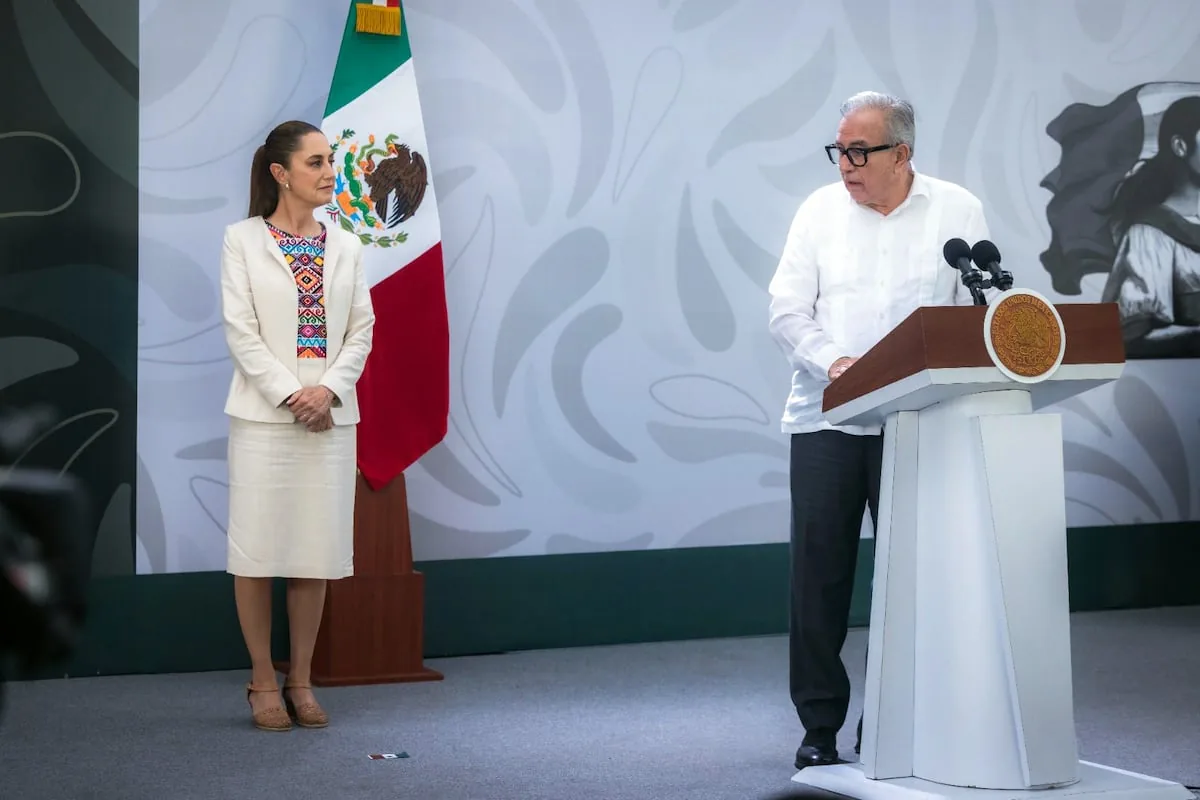
The Government of Claudia Sheinbaum faces multiple fronts in economic matters. In the first quarter of the year, the Mexican economy recorded a decline of 0.8%, while inflation maintains an upward trend and public and private investment are declining. Authorities have responded to these forecasts by assuring that it is a situation precipitated by the conflict in the Middle East; however, the outlook appears challenging. The next review of the USMCA still looks uncertain, and the pulse of the bilateral relationship between Mexico and the United States is rising in the face of unprecedented accusations by the Donald Trump administration against the governor of Sinaloa, Rúben Rocha Moya, and nine other officials for their alleged links to drug trafficking. In response to the tsunami caused from Washington, on the edge of Friday night, in a brief message, the state governor requested a leave of absence to temporarily step down from office.
Read more Mexico’s great fortunes seek certainty outside the country
From January to March 2026, the Gross Domestic Product (GDP) of the second-largest economy in Latin America fell by 0.8% on a quarterly basis, the worst start to the year since 2020. The negative result for the Mexican economy in the first quarter reflects internal weakness, slow job creation, and a shortage of new investments in the country. Additionally, the country suffers from rising costs of energy and perishable foods such as tomatoes, tortillas, and chilies. During the first half of April, the price increase stood at 4.53% annually, compared to 3.96% in the same period of the previous year.
Despite the dark clouds on the horizon, the Secretary of Finance, Édgar Amador Zamora, attributed the decline to external factors. “Changes in global trade policy have affected manufacturing industries most exposed to indirect impacts along supply chains. These changes have generated a greater degree of uncertainty that has influenced both consumption and investment decisions,” the federal official acknowledged during the week.
Alfredo Coutiño, director for Latin America at Moody’s Analytics, points out that although the Mexican Government seeks to boost the economy through direct support, consumption does not generate the productive capacity that public and private investment does, both of which are declining. “Domestic investors have adopted a wait-and-see attitude, limiting the expansion of their factories and productive capacity, and foreign investors remain skeptical about the fair application of the law. Added to this uncertainty are the negotiations of the trilateral trade agreement, mainly due to the possible change in the rules of the game,” he notes.
Moody’s Analytics forecasts the ratification of the USMCA in the second half of the year, which could boost the economy, although it would not be enough to qualify as a recovery. “Growth could close the year around 1%, slightly above the 0.8% reported in 2025. Under these circumstances, the Mexican economy would be immersed in a period of stagnation and high inflation in 2026,” he concludes.
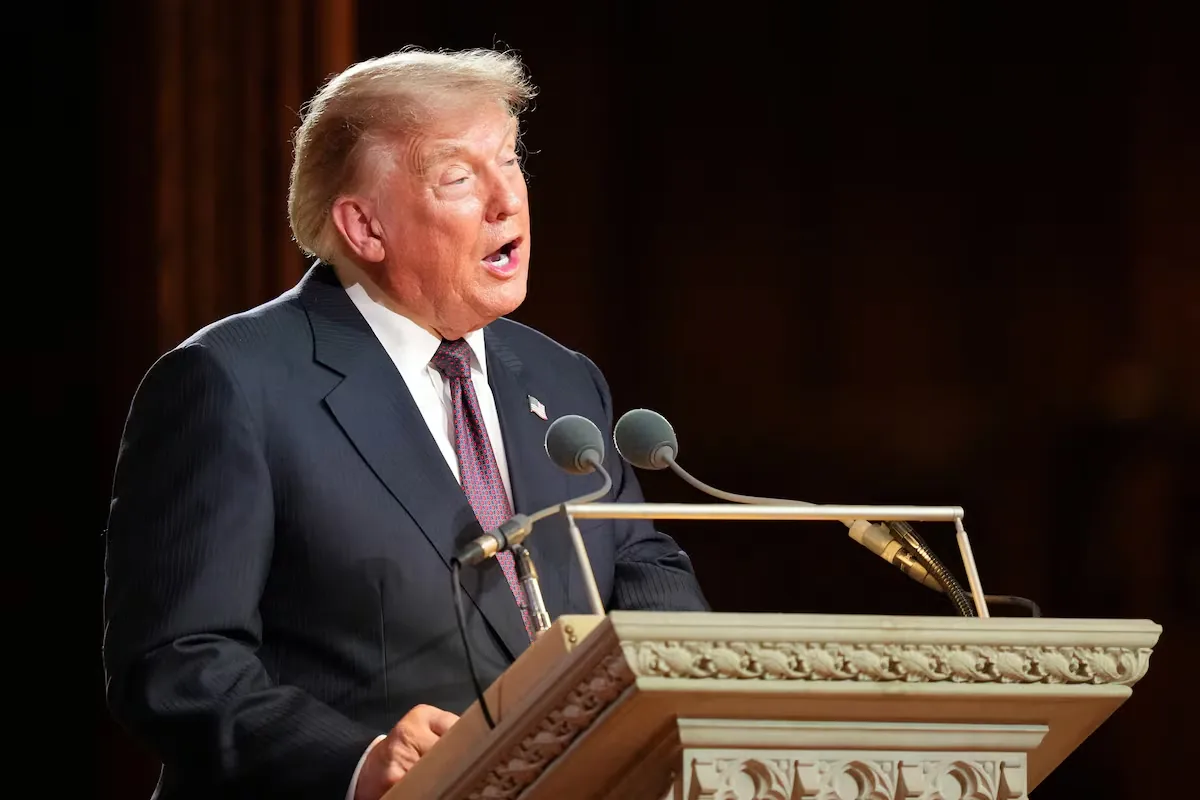
Abroad, the Donald Trump Government has played its cards with Mexico on various fronts to obtain the greatest possible returns. The first round of tariffs that Washington applied to its southern neighbor in February 2025 responded to the alleged inability of the Mexican Government to combat illegal migration and drug trafficking. Although these tariffs were invalidated months later by the US Supreme Court, they are a sample of the overlapping agendas on the table in the United States. Under this dynamic, Mexico has faced sectoral tariffs, accusations of alleged money laundering acts by Mexican banks, and now, on the eve of the USMCA review, the “Rocha Moya” factor is poised to be another piece on the tangled board.
Read more Washington and the mirage of conflict: expensive energy and strategic mistakes
The Sheinbaum Government will have to calibrate its trade strategy with surgical precision in the face of the usual overlapping agendas in the Trump Administration. On the threshold of this crucial review, one of the greatest fears is that Washington will condition the progress of the agreement’s evaluation on concrete results regarding its security demands. Mexico is the main trading partner of the US, with annual shipments to that market exceeding 500 billion dollars. The cabinet will weigh the political and economic cost of its next steps in this unprecedented case.
Ignacio Martínez Cortés, coordinator of the Laboratory of Analysis in Trade, Economy, and Business at UNAM, states that the extradition request for Rocha Moya and 10 other officials is in line with President Trump’s negotiating style. “The issue is very complicated; the United States wants to have Mexico with its hands tied to demand many more concessions in trade matters and, of course, in other areas of the bilateral relationship. The impact on the joint USMCA review will be seen in a month when the next round of contacts between Mexico and the US takes place,” he indicates.
For Mexico, the USMCA has been a shield to safeguard exports and thereby mitigate slow internal dynamism. Mexican exports rose 27.7% annually in March, surpassing 70.727 billion dollars. The surge is mainly attributed to sales from the manufacturing industry to the United States.
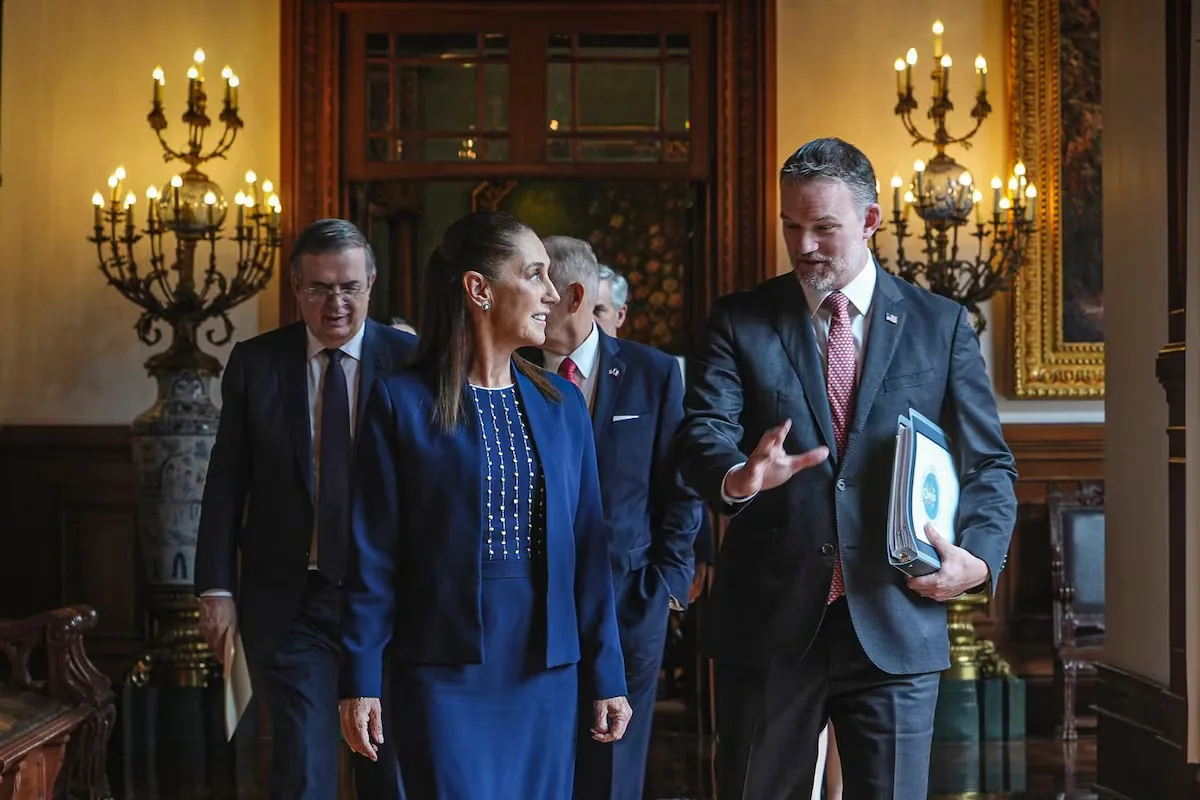
Faced with weak internal performance, Sheinbaum has sought to close ranks with the business sector. Gas station owners, supermarket executives, farmers, and steelworkers, among other private sector representatives, have met at the National Palace and signed various agreements to bolster economic activity. The governor will announce a series of measures this Monday to strengthen private investment in the country. While the Executive hurries progress internally, it advances in “technical” working groups with its trade partners externally. However, in the final stretch of the USMCA’s maximum examination, a negotiation is anticipated that will address everything from tariffs to alleged acts of “narco-politics.”
Read more The toxic year of Donald J. Trump