








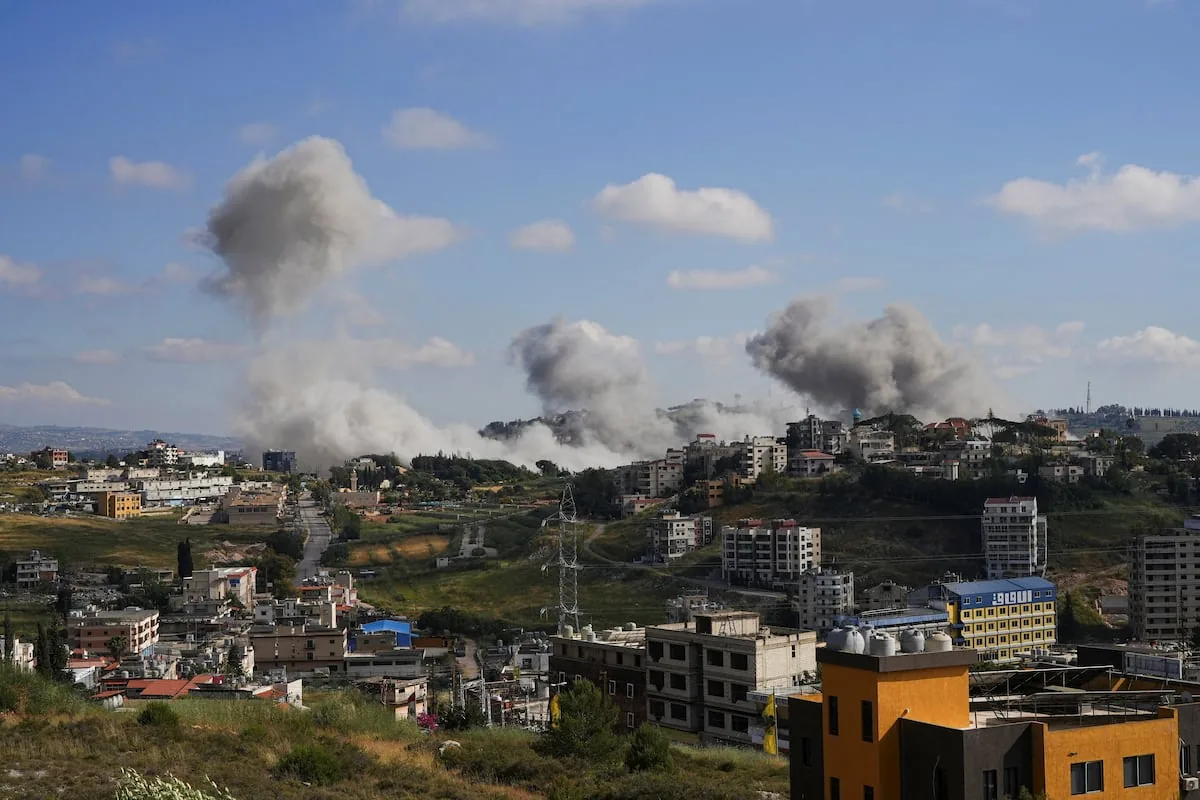
Israel persists in its escalation of operations in Lebanon. This Tuesday, its army has increased bombings, evacuation orders, and ground maneuvers to unprecedented levels since the nominal ceasefire came into effect on April 17. Through statements to the press in their country, the troops have claimed for the first time since that truce the extension of ground operations in southern Lebanon beyond the Yellow Line, a demarcation drawn by Israel itself to delimit the territory it occupied at the start of the ceasefire.
Read more Haakon of Norway, “concerned” about the worsening health condition of Mette-Marit
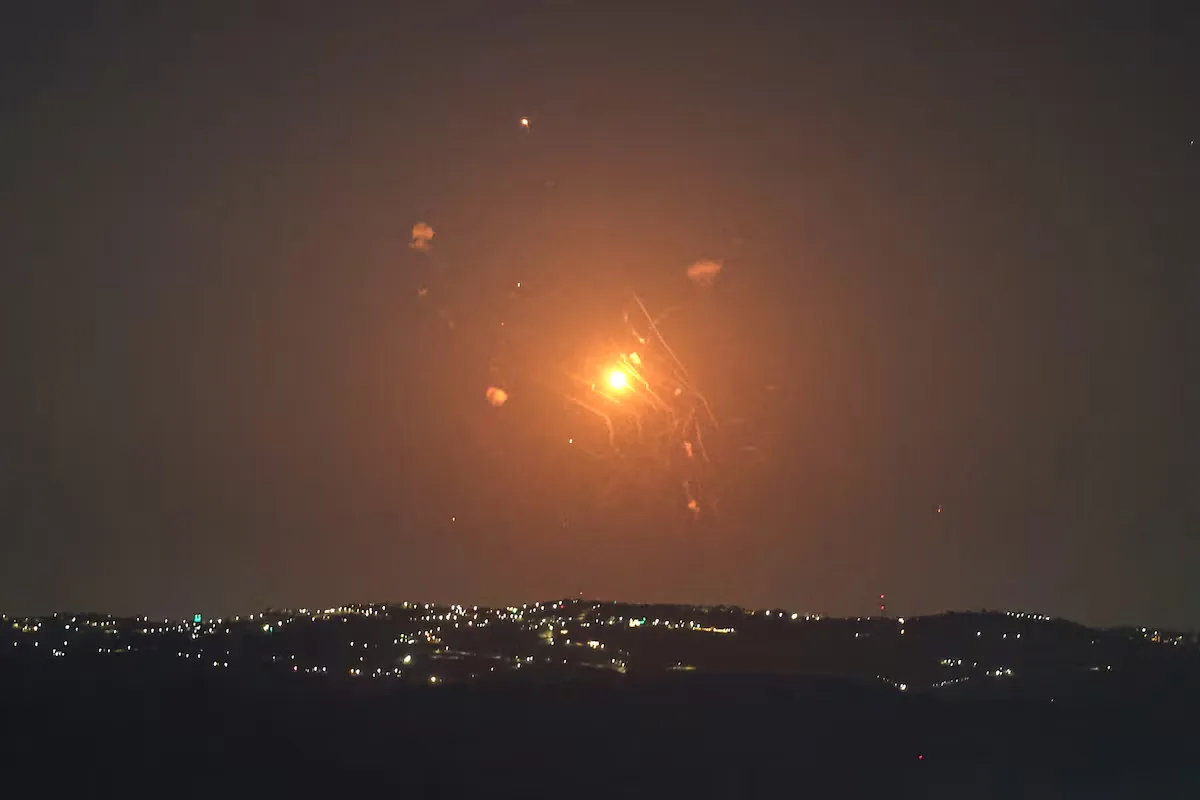
The Israeli army claimed on Tuesday morning the launch of a hundred bombings on various municipalities in the south and east of the country since Monday night, when Prime Minister Benjamin Netanyahu announced that he had ordered to “step on the accelerator” in the war efforts against the Lebanese militia Hezbollah. The Israeli offensive, according to a military statement, targeted 90 points of military interest and “terrorists” of the pro-Iranian organization. The night attack on a house in Mashghara, a municipality 35 kilometers from the unofficial border with Israel, killed 11 people on Monday, including two children. These are figures from the Lebanese Ministry of Health, which on Tuesday recorded 28 additional deaths.
While the total toll of dead and injured caused by the military offensive is still unknown, the Hebrew army ordered on Tuesday the complete evacuation of the southern city of Nabatie (with about 75,000 inhabitants). The warning to empty this important municipality, which hosts some of the hospitals that provide coverage to those affected by the war in the south, is the largest expulsion order that Israel has issued ―and which adds to the 1.2 million Lebanese displaced by the war and forced evictions― since the nominal ceasefire promoted by the United States in April came into effect.
However, in recent days, Israel had already been issuing increasingly extensive and ambiguous evacuation orders, which has filled a population that trusted they could return to their homes with the arrival of the supposed cessation of hostilities with anguish and confusion. After Netanyahu’s statement anticipating an escalation, thousands of residents once again left the suburbs of Beirut, widely devastated by Israeli attacks during previous episodes of the conflict.
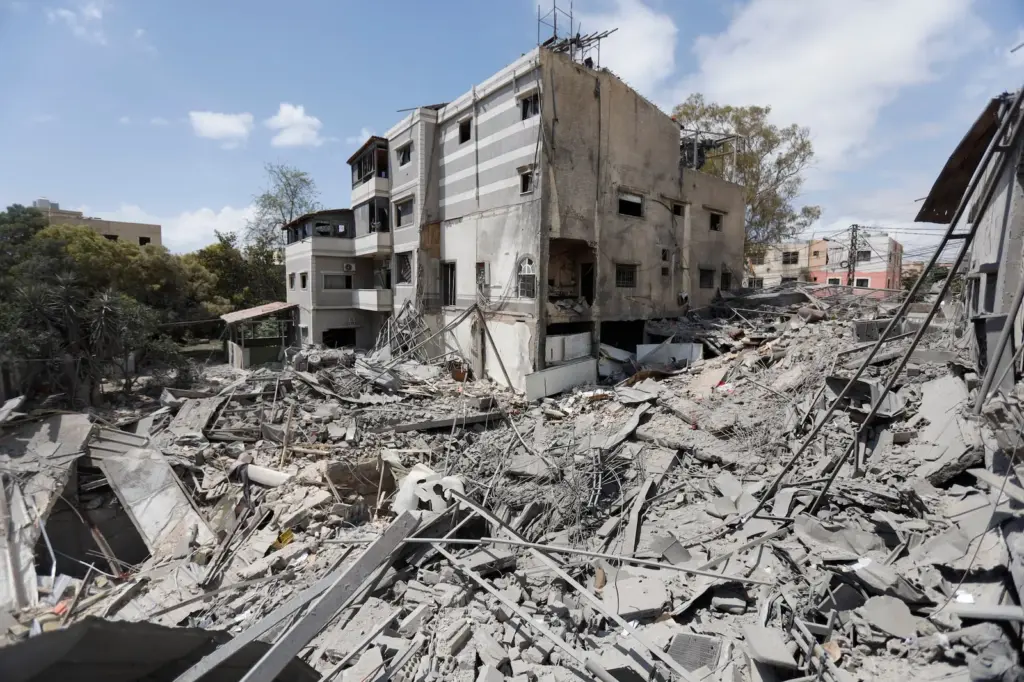
“We are at war with Hezbollah,” Netanyahu proclaimed Monday night in a statement. “We are not going to lift our foot off the accelerator,” he added. His message came after the ultra wing of his government coalition — led by Finance Minister Bezalel Smotrich and National Security Minister Itamar Ben Gvir — and the Chief of Staff, Eyal Zamir, demanded escalating hostilities against Hezbollah as a response to the drip of casualties the militia is causing among Israeli troops, where 23 soldiers have died since March — the latest this Sunday.
The fight against drones
Since the start of the ceasefire, Hezbollah has caused most of the deaths among Israeli ranks with a type of drone it has added to its arsenal that flies without electronic radio signals, becoming undetectable to traditional Israeli defense systems. Instead, a thin fiber optic cable connects the device to the operator, allowing the militiaman to attack Israeli troops from about 20 kilometers away.
Israeli frustration grew when Hezbollah crashed a drone into a house in the Israeli municipality of Metula and another into a school bus in Shomera. Under increasing pressure, Netanyahu also embraced that argument: “Yes, they are attacking us with drones, and we have a special team working on it,” he acknowledged in his statement. “But what this demands from us now is to intensify the attacks,” he concluded.
The lack of a definitive solution to stop that weapon leads the army to extend its ground presence in Lebanon. This has been justified in the Israeli press by military representatives, who announce an attempt to neutralize the positions from which Hezbollah members operate those drones. The pro-Iranian group, which states it will continue attacking the Israeli army as long as it maintains the occupation of Lebanon ― about 5% of the national territory ― confirmed on Tuesday the existence of fighting in Zawtar al Sharquiya. It is an area near Nabatie, north of the Litani River, where it claims the Israeli army is carrying out a new “incursion” beyond the previously occupied zone and 35 kilometers north of its – provisional – border with Lebanon.
Israel is escalating hostilities over Lebanon at a time when there is speculation that negotiations for a truce between the United States and Iran will compromise Israeli action regarding Hezbollah, since Tehran insists that the ceasefire with the United States must be regional and also include Lebanon. On April 8, when the Pakistani mediator announced that the ceasefire between Washington and Tehran had that regional character and included Lebanon, Israel launched a colossal offensive on the Arab country and caused 350 deaths ― mostly civilians ― in a matter of minutes. Shortly after, the Donald Trump administration denied Islamabad and denied that the agreement extended the ceasefire to Lebanon.
An unrelenting offensive
Military pressure led last week to the closure of one of the Lebanese civil defense centers in the city. This Tuesday, an attack on a rescue center in the nearby municipality of Srifa killed a healthcare worker, adding to the list of 125 dead since March from direct Israeli attacks, which accuse ambulance teams of transporting militiamen and weapons. However, Israeli authorities, whom the Lebanese Ministry of Health denounced on Tuesday for applying “the law of the jungle,” never provide evidence to support those accusations.
The war continues to corner the Lebanese government in an impossible balance, seeking the end of the war through a diplomatic process with Israel amid its bombings. More than a quarter of the Lebanese population ― 1.2 million people, mostly from the south ― are forcibly displaced by the conflict in a country with a galloping humanitarian crisis, where a similar percentage of Lebanese suffer from acute food insecurity. Since March 2, when Hezbollah fired at Israel in defense of Iran and open war returned to Lebanon, Israeli troops have killed 3,213 people — mostly civilians, including 221 minors — and injured another 9,737, according to the Lebanese Ministry of Health. Meanwhile, Hezbollah has killed 23 Israeli soldiers and a contractor working with the Hebrew army in Lebanese territory, according to the count announced by the Israeli Defense Forces, and two civilians, according to Reuters reports.