





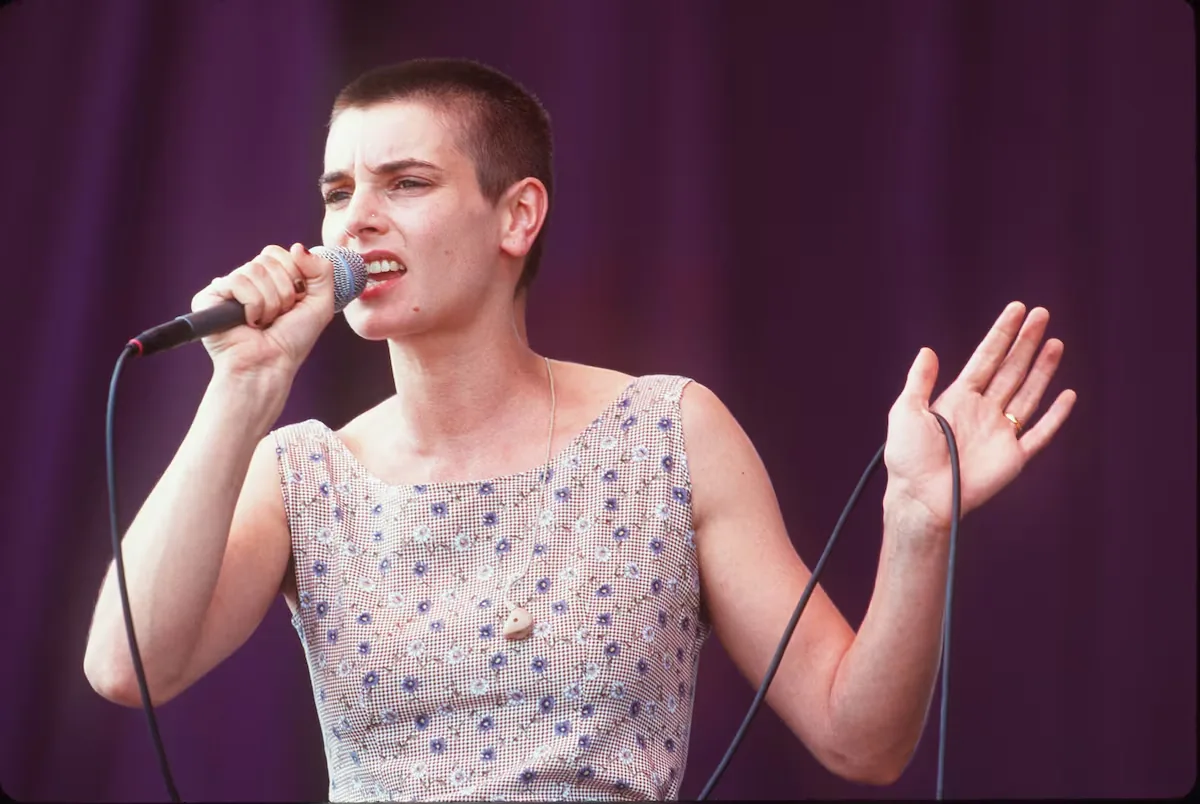
On June 22, news broke that Olivia Rodrigo had organized Daisy Chain Fields, a festival with an exclusively female lineup that includes current names like Chappell Roan and Mitski, and historically influential figures from previous generations such as Bikini Kill, The Breeders, and Stevie Nicks. However, probably the most symbolically relevant figure in the program is folk singer-songwriter Sarah McLachlan. Her name may not be very popular, although she is in her home country, Canada. She has sold 40 million records and has three Grammy awards, but above all, she is most notable for having created the Lilith Fair festival in 1996, and for being the main inspiration for Rodrigo to conceive Daisy Chain, as she has stated in several interviews. “The first person I called when I decided I wanted to do this was Sarah McLachlan. She’s a true pioneer, an incredible artist and a friend, and she’s actually going to sing with me at the festival, which is very exciting and a great honor for me,” she declared in a television interview on the ABC network.
Read more This is not a caña, or how this popular format has been disappearing from all the bars in Madrid
View this post on Instagram
The Californian singer wasn’t even born when Lilith Fair took place, but she was very aware of its influence from the moment she started in music. So much so that she is one of the artists featured in Lilith Fair: Building A Mystery, a 2025 documentary that recounts the entire history of that festival, and where Rodrigo already showed her admiration for it. There are some differences between the two events. The most visible is that Daisy Chain Fields is a one-day festival in a fixed location, while Lilith Fair was a touring festival, following the model of other initiatives from the nineties like Lollapalooza or Ozzfest. At that time, and especially in the United States, those types of events were over-masculinized and the atmosphere was quite aggressive and toxic. For example, in her memoir Crossing My Fingers, Miki Berenyi, from the band Lush, recounted many of her bitter experiences at Lollapalooza. In addition to that, promoters had assumed the idea that it was not viable to place two female artists consecutively on the same lineup.
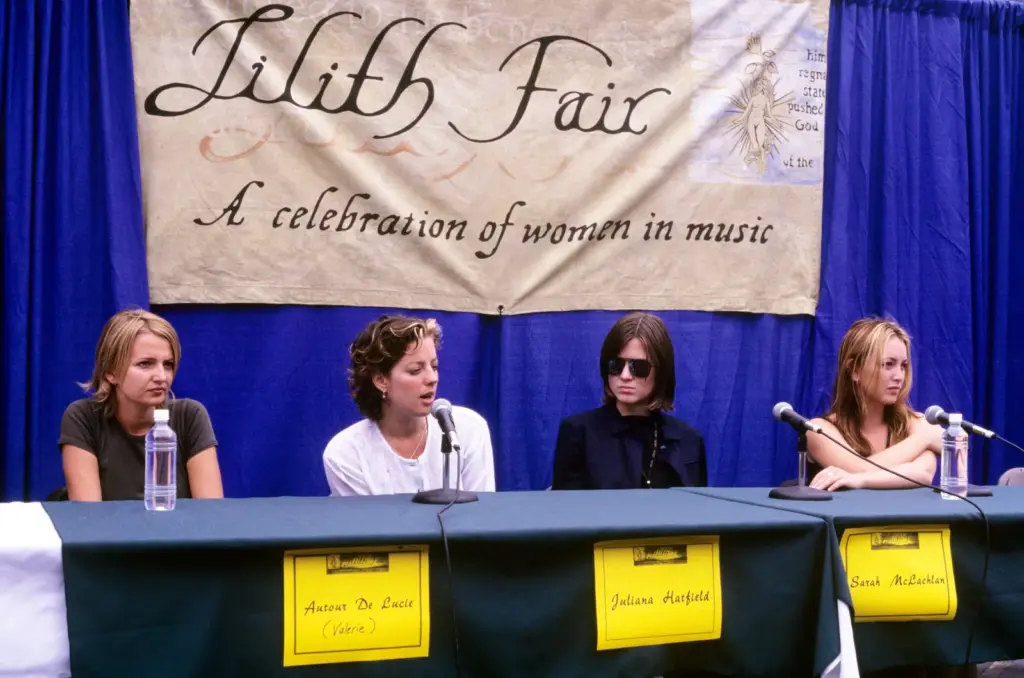
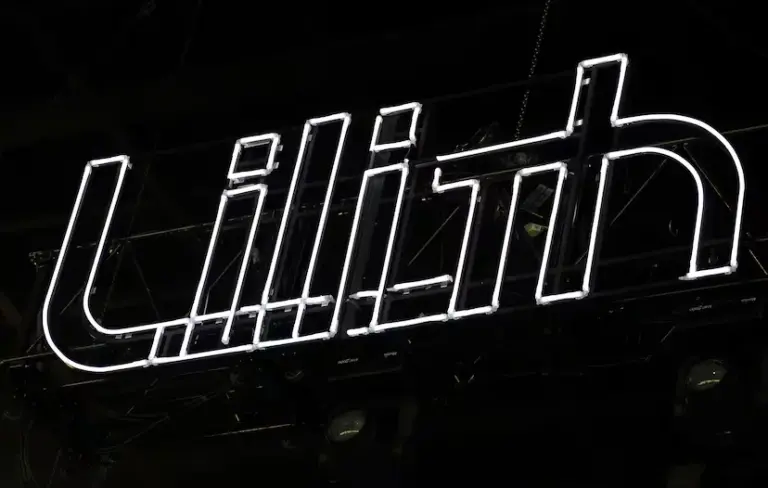
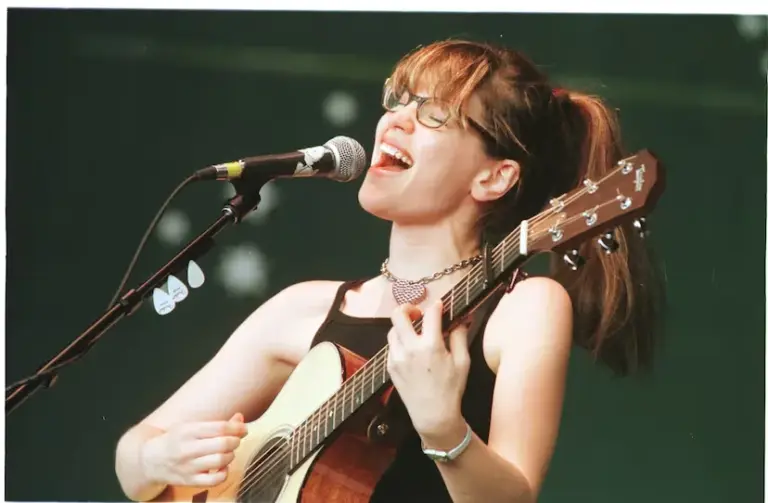
It was precisely hearing that phrase that prompted McLachlan to demonstrate that the patriarchal rules of the game then prevailing in the music industry could be changed. First, she decided to organize a joint tour with her friend Paula Cole in 1996, which was then followed by four test concerts that included Patti Smith, Suzanne Vega, Aimee Mann, and Lisa Loeb. She grouped the series under the name Lilith (inspired by the medieval myth of Adam’s first wife, who refused to obey him and was associated with a demonic figure). Those concerts worked so well with the public that McLachlan registered the trademark and decided to organize the touring Lilith Fair for the following summer. For this, she partnered with Dan Fraser and Terry McBride, from the independent label Nettwerk, and agent Marty Diamond. These allies injected financial and organizational muscle, although they were not exactly the biggest fish in the industry at the time. Perhaps a significant aspect of the changing times is that Olivia Rodrigo has turned to the giant Live Nation for the production of her festival.
A Stone in the Head of Dominant Thought
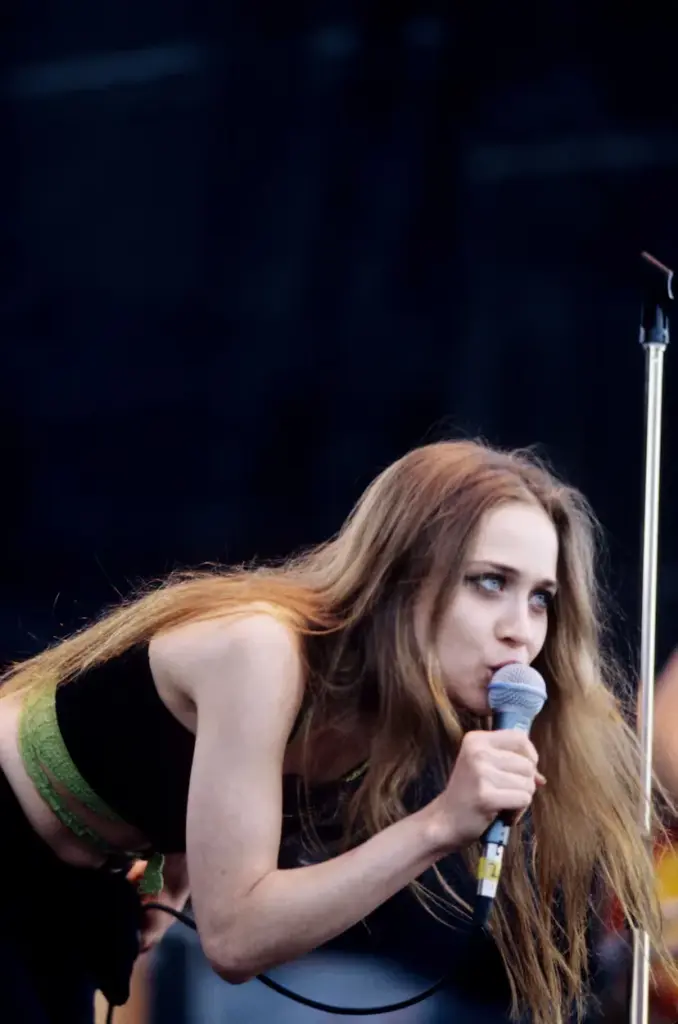
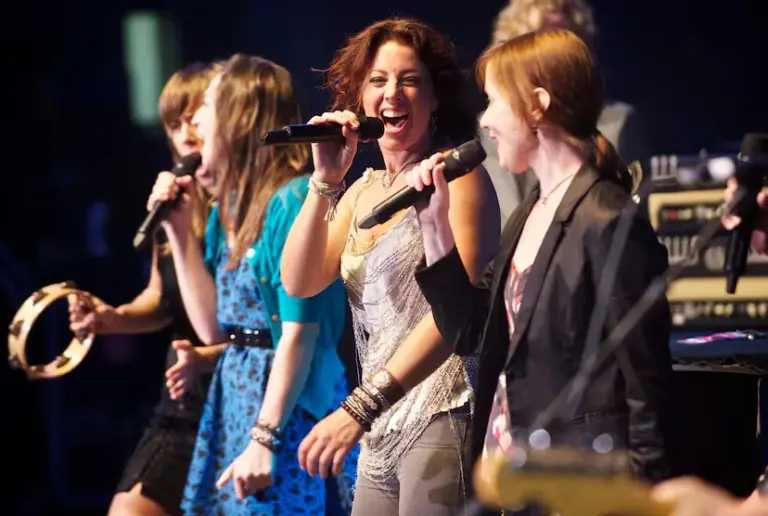
The 1997 edition of Lilith Fair toured 35 cities in the US and Canada between July and August. More than 60 artists performed, and the lineup changed daily. Only McLachlan and Suzanne Vega were present at all dates. And, precisely, it was the author of Luka who inaugurated the main stage (in the city of George, Washington state). The first song she performed was also symbolic: Rock In This Pocket, “a song about David and Goliath from David’s point of view. I felt it was saying: ‘This is a stone in the head of the dominant thinking of the big industry,’” the artist declared. And she was right, because the tour grossed 16 million dollars and became the most profitable of that summer in North America. Among its most prominent names were Sheryl Crow, Tracy Chapman, Jewel, Fiona Apple, The Cardigans, Emmylou Harris, Indigo Girls, Beth Orton, and Juliana Hatfield.
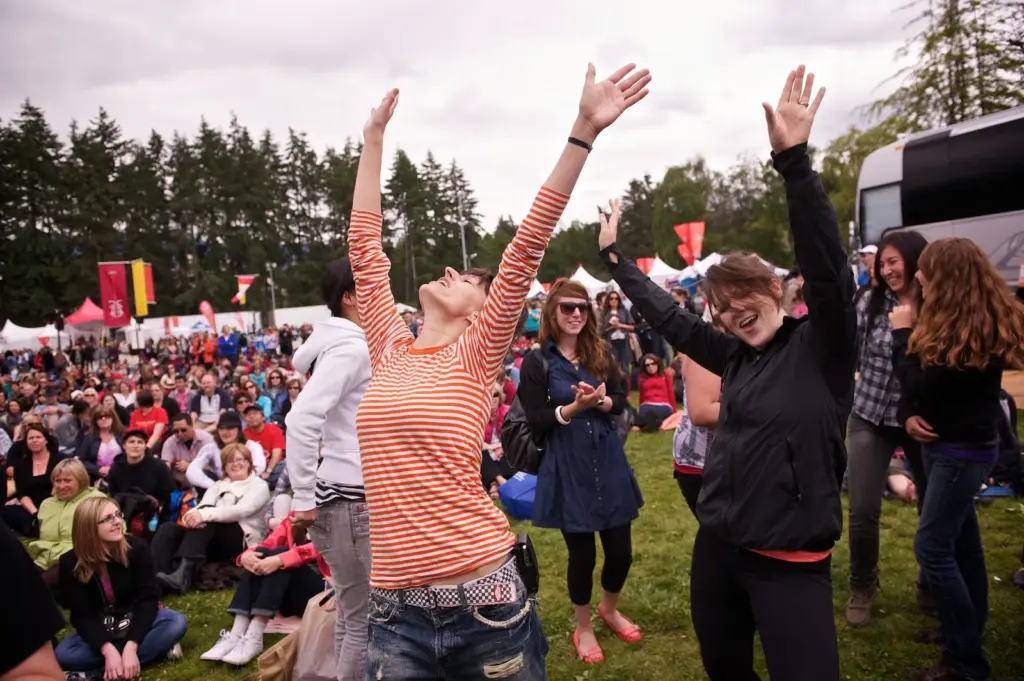
But there were also criticisms and controversies, some more expected than others. When she announced the festival, McLachlan had to endure condescending jokes from those who rebranded it as “Girlapalooza,” “Lesbapalooza,” and so on. She also grew tired of being constantly asked if she hated men and why there were no male artists on the lineup, and even suffered a bomb threat in Texas from a radical reactionary group. They didn’t cancel, and nothing ultimately happened. But perhaps the most painful criticism came from more feminist sectors, who questioned the lack of diversity in the lineup. Shirley Manson, from the band Garbage, even denounced in a Rolling Stone interview that all the members were kind, middle-class white girls and that there were no Black women or more rebellious rap artists. Interestingly, Garbage is one of the bands that will be at Daisy Chain this summer.
Read more Ansu Fati, from football to music as a way of escape
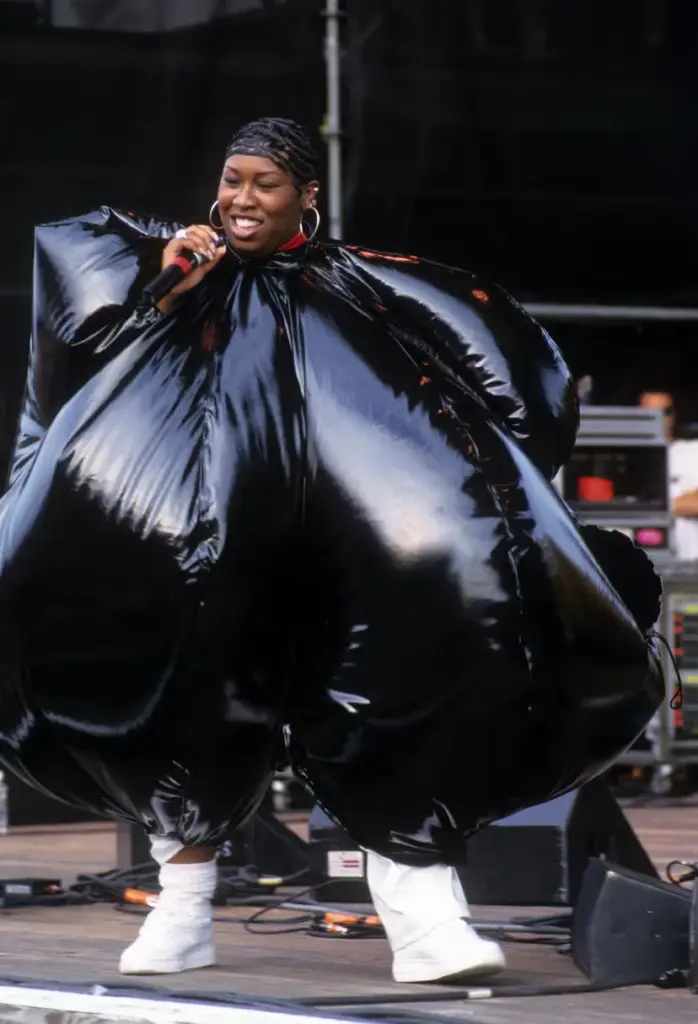
McLachlan justified herself against these criticisms by arguing that, for that edition, she drew from her personal network, which predominantly featured like-minded artists. The success of 1997 helped the festival become more widely known when, in its second summer, it attracted many more people, and everyone was more enthusiastic to participate. But she also took note of the criticisms. The 1998 lineup featured Des’ree, Erykah Badu, Missy Elliott, and Neneh Cherry, although the most celebrated presence was that of Sinéad O’Connor, who was most admired by the majority of her stage colleagues, who frequently cited her in their interviews. Another of the most interesting aspects was, by the way, that it was one of the first festivals most profusely documented through the internet, with a website that constantly updated content. The 1999 edition culminated its success, with the incorporation of another historical name like The Pretenders and anecdotes such as Prince’s presence backstage accompanying Sheryl Crow, who was then his partner, and who spontaneously played some songs backstage with some of the festival artists. It also marked the debut before large audiences of two then-unknown girls, Christina Aguilera and Nelly Furtado, who would later become pop stars. In the end, over those three years, Lilith Fair gathered one and a half million people at 139 concerts and grossed over 60 million dollars (also turning its initiator into a millionaire entrepreneur). Olivia Rodrigo’s initiative has also been a financial triumph. Her 45,000 tickets—at prices ranging from 250 to 1,250 dollars—sold out in half an hour. There are things in this that are very much of our era that would never have occurred to McLachlan, such as the sale of VIP packages at extremely high prices, which somewhat breaks with the utopia of horizontality that characterized Lilith Fair. In its favor, however, it must be noted that the proceeds will go entirely to charitable organizations dedicated to helping women, such as Baby2Baby, Planned Parenthood, the National Women’s Law Center, the Center for Reproductive Rights, or the National Domestic Workers Alliance.
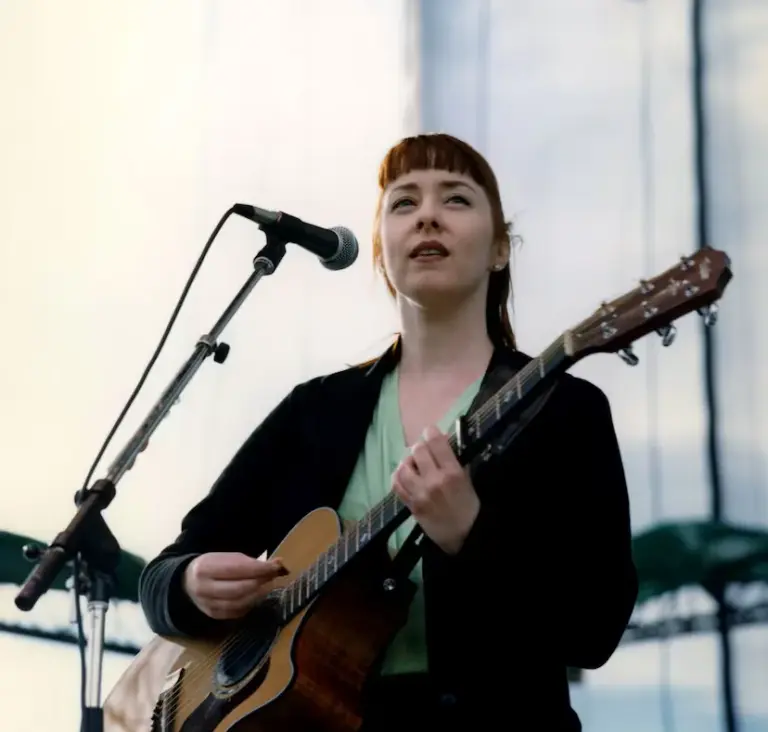
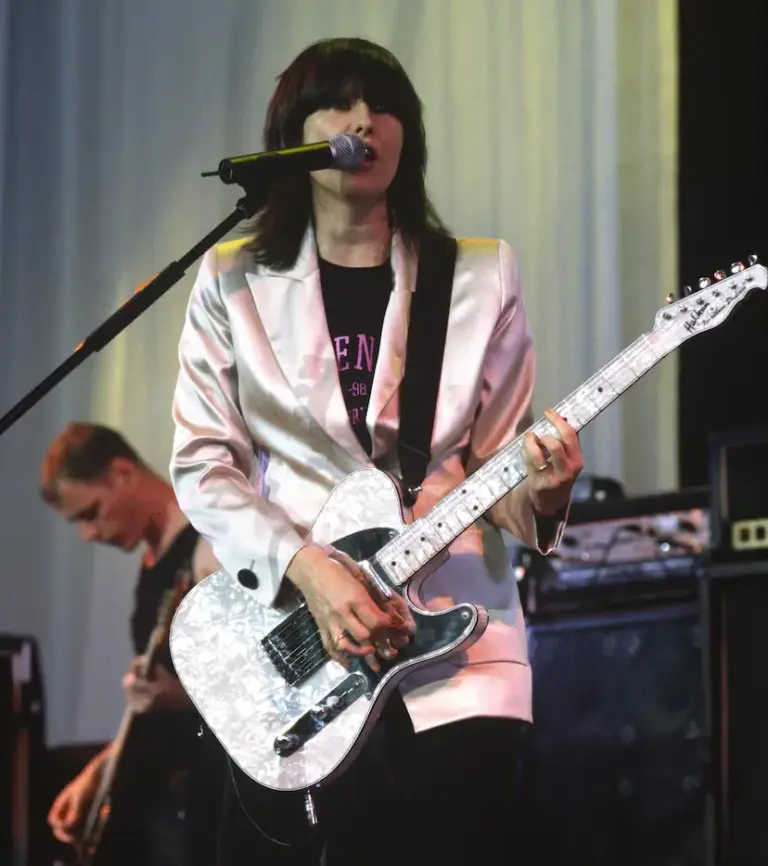
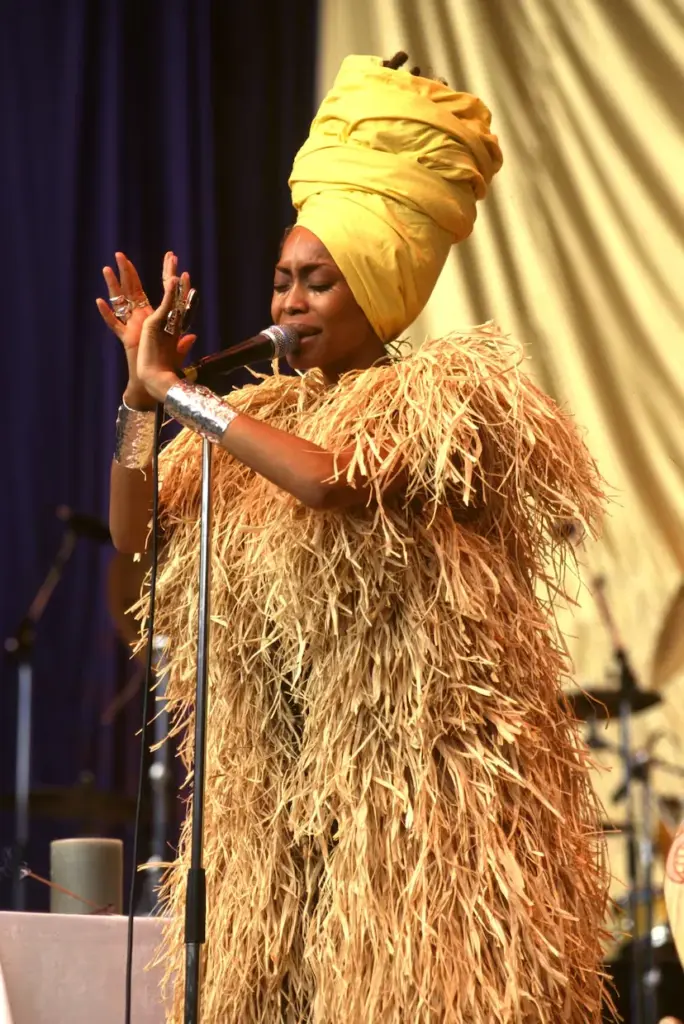
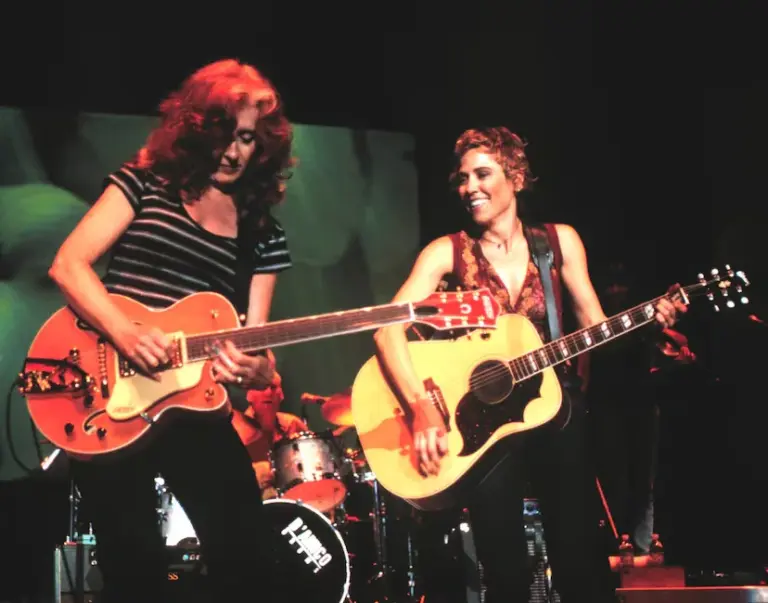
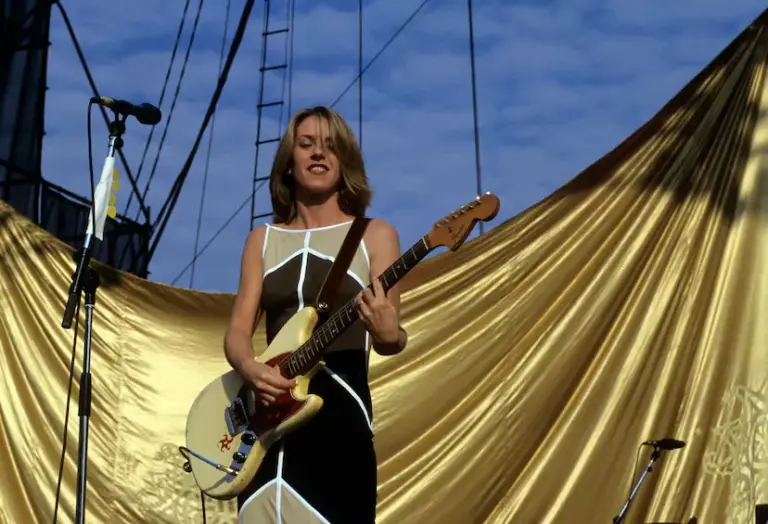
30 Years Apart and a Landscape Closer Than One Might Venture
Part of Lilith Fair’s success was that they decided to leave it at its peak. In part, it was due to exhaustion, but perhaps they were also aware of the new changes looming in the music scene. Symbolically, that last edition coincided with the infamous Woodstock ’99, already profusely documented. Perhaps the only mistake of its creators was to mount a comeback edition in 2010 which, on this occasion, was a failure. Audience attendance was so sparse that several dates were canceled, and some important artists (Carly Simon, The Go-Go’s, Norah Jones…) withdrew from the tour due to their representatives’ fear of not being paid as stipulated. Times had changed, and the spirit was not the same.
Apparently, because, even though 30 years have passed, there are similar aspects regarding the perception of women in the industry. To begin with, Daisy Chain’s initial motivation is the same that drove the creation of Lilith Fair. “I think there’s a misconception that girls have to compete with each other for the top spot, or that there’s only a limited amount of resources for everyone, and I think an experience like Lilith Fair, and hopefully, Daisy Chain, shows us that we are so much stronger when we come together and support each other,” Olivia Rodrigo has stated. In this article by Lydia Venn in Cosmopolitan, emphasis is also placed on a glaring paradox. On the one hand, it is considered that we live in a historical era where women have more power in the pop industry—citing Taylor Swift, Beyoncé, Charli XCX, Dua Lipa, Sabrina Carpenter, and Olivia Rodrigo herself as examples—but, on the other hand, the female presence on festival lineups remains meager, and promoters still consider it more profitable to bet on male artists.
But there is another aspect that goes beyond this, and that is the change in internal dynamics that a festival like Lilith Fair fostered, and of which Olivia Rodrigo is very aware. The most celebrated aspect of Sarah McLachlan’s event was the atmosphere of non-competition, camaraderie, and community that was created there. “I had been an opening act before and wasn’t treated well, so I made sure that backstage everyone was treated equally: the technical crew, the bands… I wanted everyone to have a great experience,” she told Billboard coinciding with Lilith Fair’s 20th anniversary. Organically, collaborations between artists occurred at the concerts, and in each city, the participation of both artists and local associations was encouraged. One of the most commented characteristics, by both performers and the audience, was the feeling of being in a safe place, something that did not happen to them at conventional festivals. In this report published in the Canadian magazine Maclean’s (and titled “Defending Lilith Fair” against the attacks received by the 2010 edition), statements like this from Belinda Carlisle were collected: “Who knows how far the Go-Go’s would have gone if Lilith Fair had existed when we started in the late seventies? Back then, we felt like we were the only girls on stage. Many of the guys around us were sexist, violent, drug-addled punks who threw things at us while we played. We could have developed our musicianship much faster if we had been able to see how other women played. Male bands used to see us as competition, not as peers.” And in Billboard, in 2017, Sarah McLachlan said the following about a continuation of Lilith Fair: “It would have to be someone new to take over, a new artist… and it doesn’t have to be called Lilith. It can be someone else. With the Women’s March and Trump in power, everyone is knocking on my door: ‘We have to bring this back!’ No, we don’t have to do it the same way. But someone right now should create something different.” It has, finally, been Olivia Rodrigo, 23, who has taken up the mantle, and everything indicates that it will go very well for her.
Read more This is what a total solar eclipse looked like a century ago