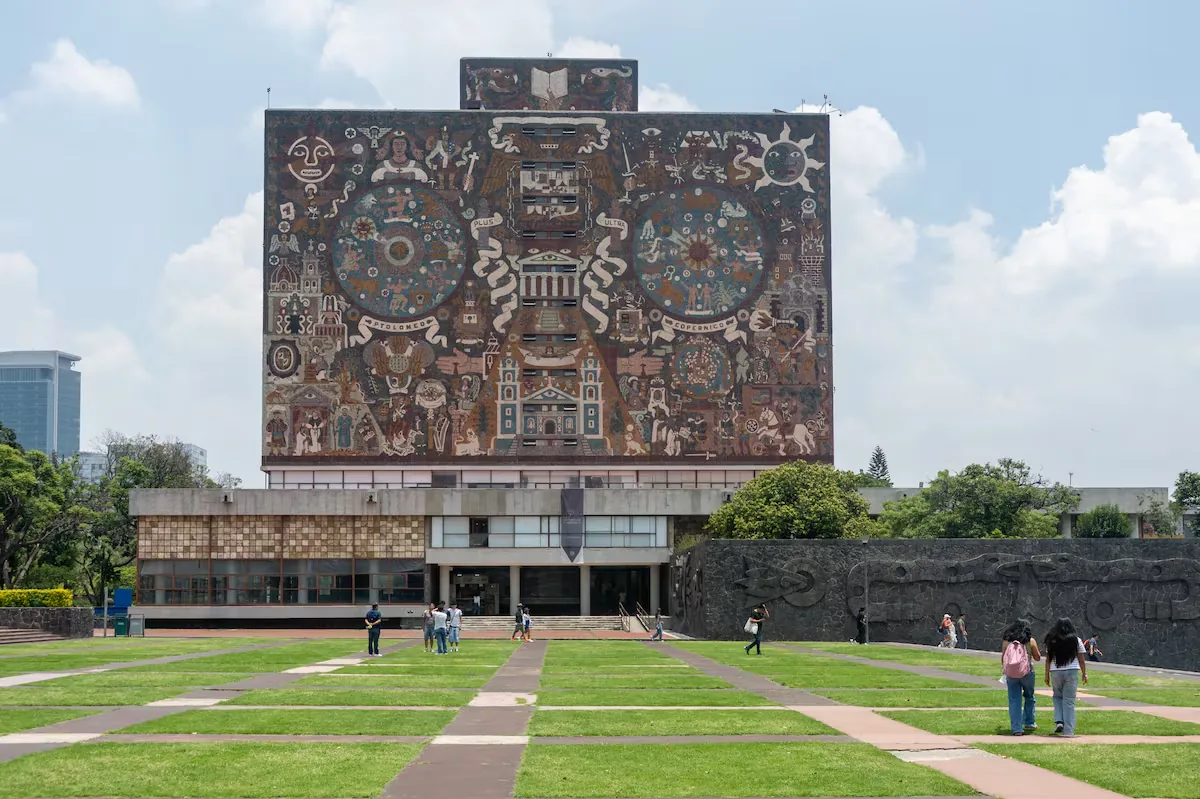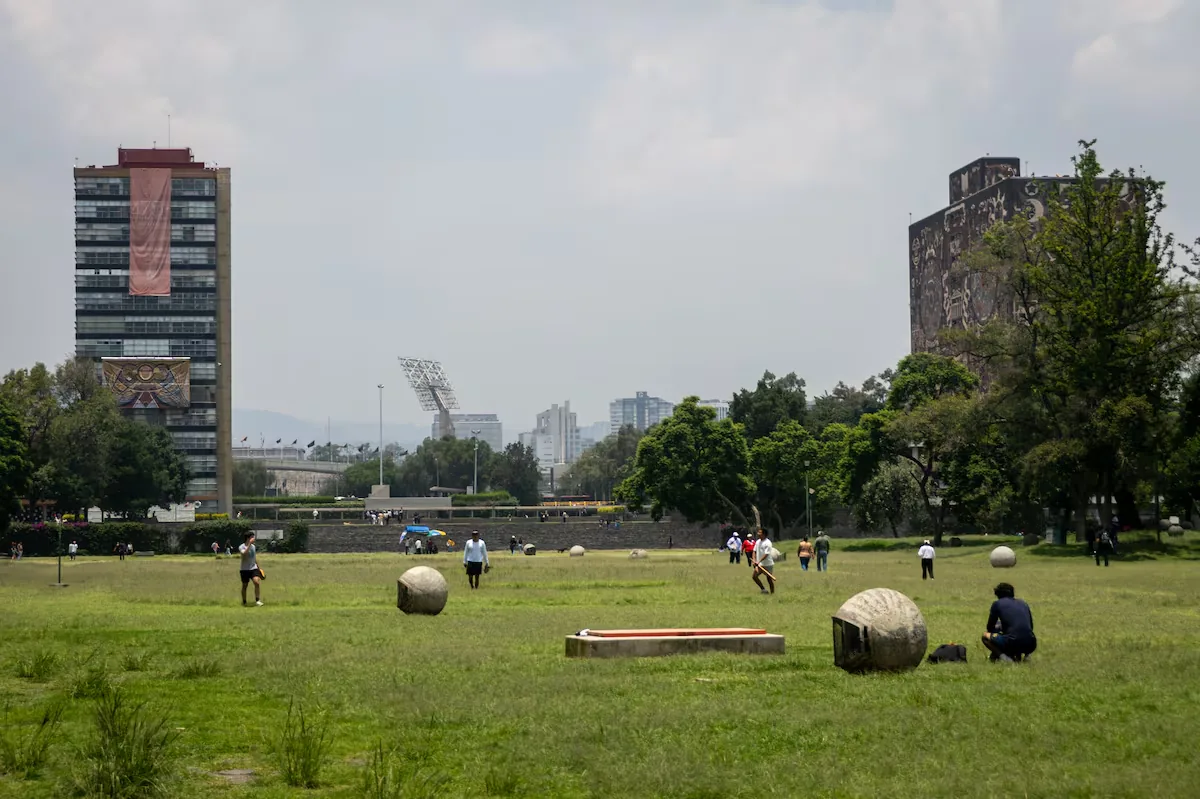
In just under 11 months, the National Autonomous University of Mexico (UNAM) has faced two major crises. In September of last year, a student killed a classmate inside a university high school campus, an event that exposed deficiencies in the institution’s security controls. Two weeks ago, the scandal over the failed online admission exam revealed a chain of omissions that extended from the administration of the test to the publication of the results. In both episodes, the reaction of the university authorities was questioned for being late, shrouded in doubts, and pushed by pressure from the university community and public opinion.
Read more Ángel Aguirre, a cheap and expensive prisoner at the same time
At UNAM, made up of about 440,000 people including students, academics, and workers, the directors not only manage the most important educational institution in Latin America, but its rector and main officials are figures subject to public scrutiny and represent a significant part of the Mexican intellectual elite. Leonardo Lomelí assumed the rectorship in November 2023, amid the distancing of the Government from the university during the administration of former president Andrés Manuel López Obrador. When Lomelí was appointed, the then president openly expressed his reservations about the economist due to his closeness to Lorenzo Córdova and Ciro Murayama, two of the main critics of the electoral reform promoted by his Government. The former president accused the institution of having become an “elitist university.”
Lomelí holds a degree in economics and a doctorate in history from UNAM itself, where he had already been secretary general, the right hand of Enrique Graue. In other words, he knows the institution well, its virtues and its shortcomings. Upon taking the reins, he inherited the uproar over the dispute between the university and Supreme Court minister Yasmín Esquivel, accused of having plagiarized her undergraduate thesis in 1987. Although the scandal broke out during Graue’s term, the controversy extended into 2024 with Lomelí, when a judge ruled that the university could neither sanction the minister nor publicize the resolution on the case.
Two more years passed with some cases of occupation of faculties and high school campuses, a common practice by students to make claims ranging from the state of infrastructure in schools to complaints of harassment and abuse by classmates and teachers.
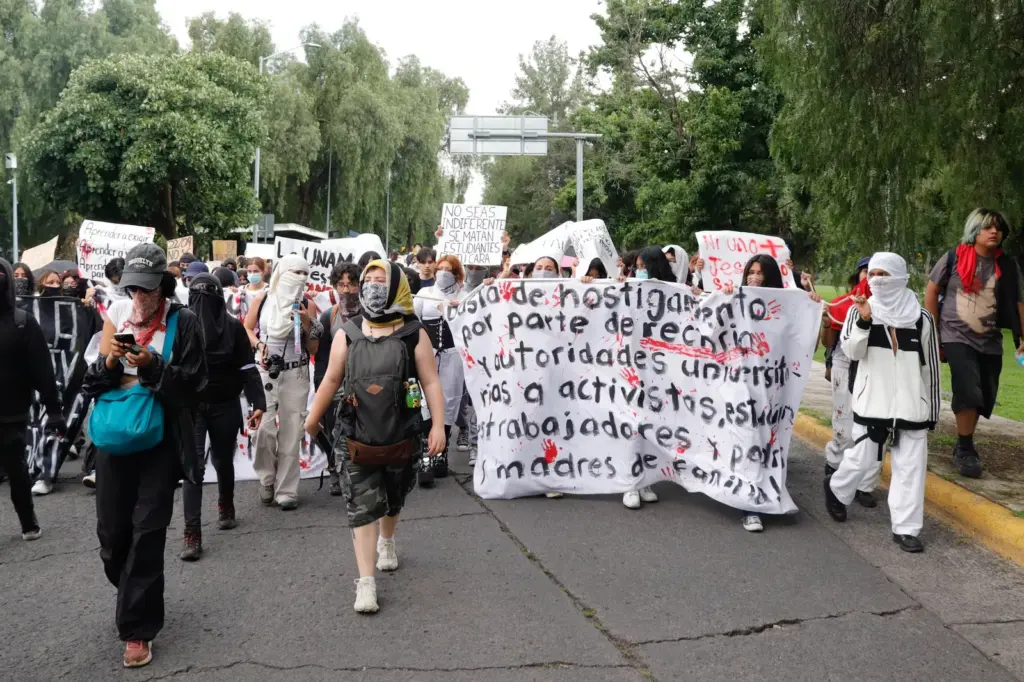
The first real storm of this administration hit the rectorate tower on the morning of September 22 last year, when Lex Ashton, 19, entered the Colegio de Ciencias y Humanidades Sur in Mexico City without checks or access controls, carrying knives in his backpack. Inside the school, he killed Jesús Israel, a 16-year-old student, and injured a worker who tried to stop him. The reaction of the university authorities came late, with a video of the rector after the CCH had already been evacuated and the details of the attack and the background of the young attacker, involved in the incel universe of hatred towards women, and who had received psychological attention from the institution, were well known. The measure was to suspend in-person classes. Panic spread through the rest of the high school campuses to the Faculties and contaminated the atmosphere with uncertainty about student safety. The university failed to dispel those doubts and accumulated strike after strike. Some faculties, such as Architecture, remained without classes for more than 100 days.
Read more There are no free lunches
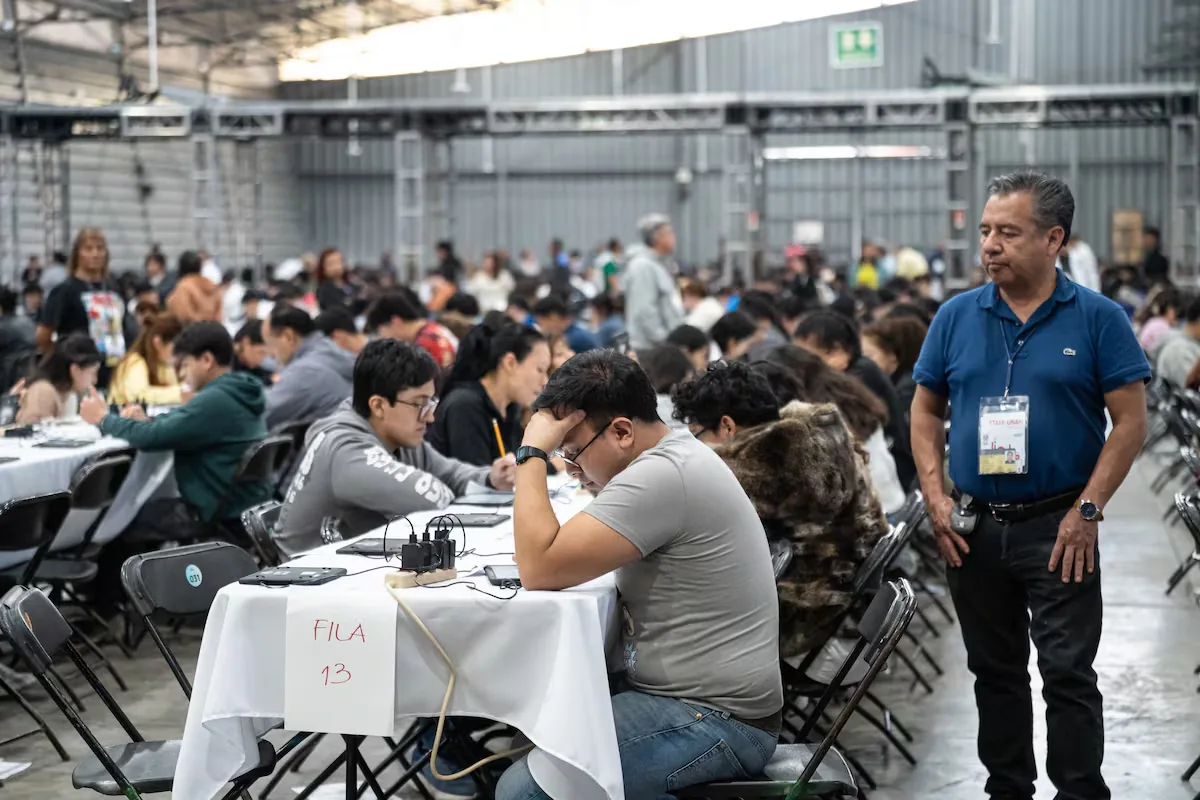
The second major crisis erupted with the online and remote exam for undergraduate admission. The university did not detect anomalies in the test results in time, which was administered by Territorium Life, the technology company it hired to create the platform. The obvious mass cheating was uncovered on social media, after the figures had already passed through a whole chain of command that had in its hands the evidence that the exam could not be considered legitimate. Leonardo Lomelí chose former secretary general Eduardo Bárzana to lead the crisis commission, along with 15 other experts who reviewed the admission process.
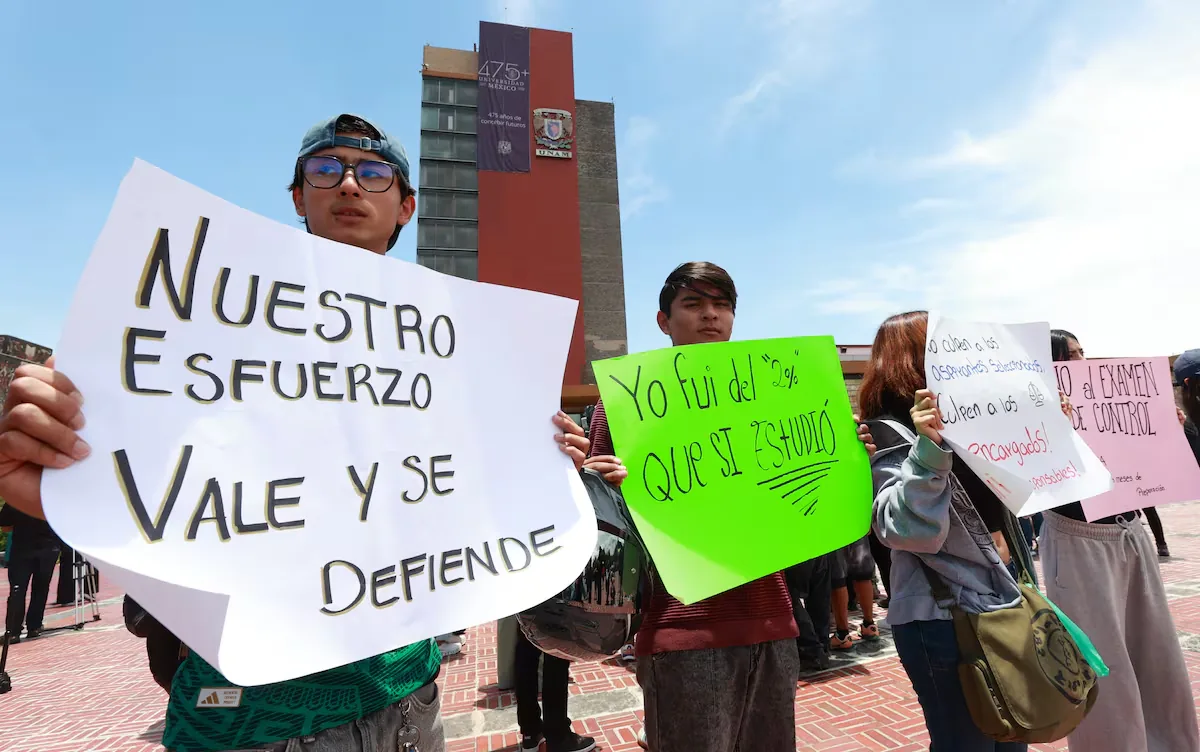
The committee admitted the problems and called 58,000 applicants, after discarding 100,000 to a second in-person control exam. This Thursday, general counsel Hugo Concha detailed some of the tricks, revealing that the exam fraud goes beyond an applicant seeking answers with the help of artificial intelligence. In an interview with Gabriela Warkentin on Fórmula, Concha said that the review of the cameras showed that the irregularities involved different devices with the same IP addresses, frozen cameras, and similar backgrounds, indicating an even bigger fraud. “These are organizations, companies that apparently were selling the services of taking the exam for a bunch of kids,” he shared. Frauds that were openly promoted on social media before the exam was administered, and that were not detected.
The fiasco caused an earthquake in the rector’s close circle. Patricia Dávila, in charge of the area responsible for overseeing the selection processes, resigned from the Secretariat General amid the controversy and was replaced by Javier de la Fuente, an official politically linked to former rector José Narro Robles. The recent appointments have strengthened the influence of the political group led by Narro, rector between 2007 and 2015 and a central figure of the so-called group of doctors who led the university for years, before becoming Health Secretary under Enrique Peña Nieto. The new secretary general led the Office of Attention to the University Community when there were violent attacks by porriles groups against students protesting in front of the Rectorate in 2018.
With the admission exam conflict open and the ghosts of the CCH Sur case still present, Leonardo Lomelí’s administration faces the challenge of regaining control and leadership to maintain the prestige of the country’s top university.
Read more Graduates without jobs: when the promise of higher education is not enough to become independent