








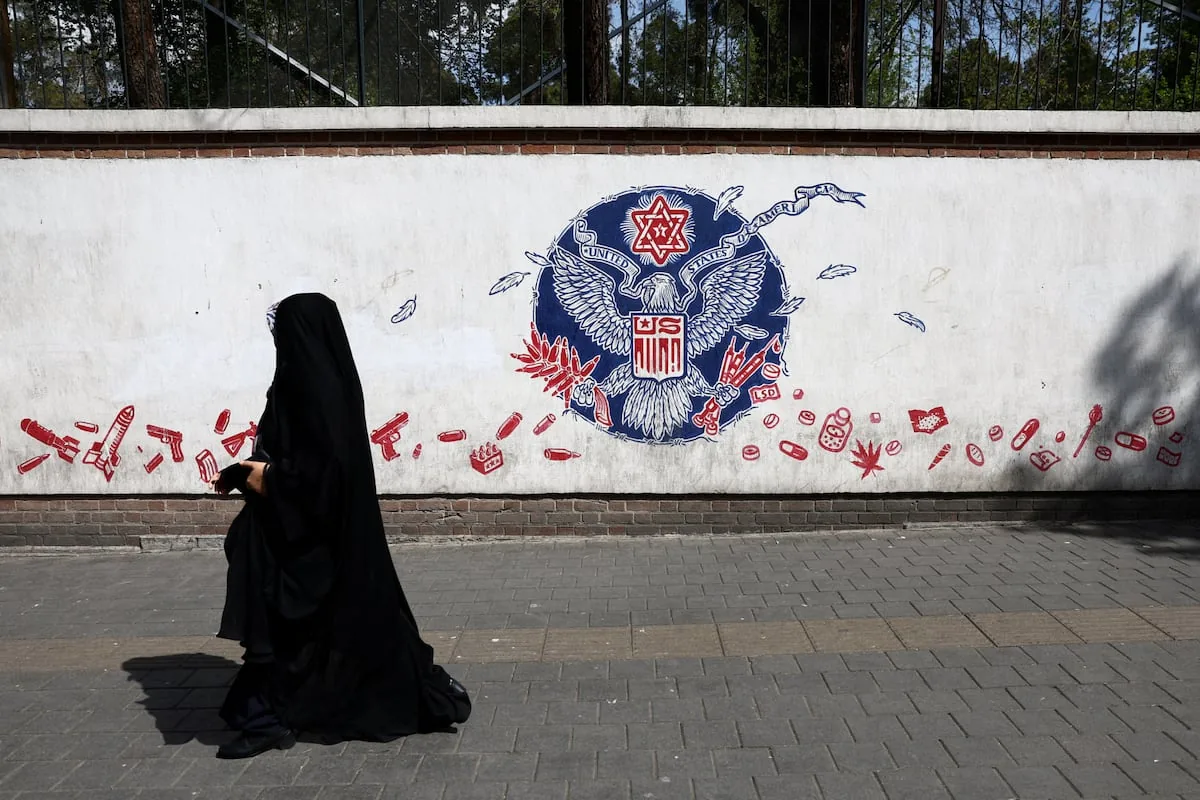
Future historians will be able to write about the war between the United States and Israel against Iran also based on the deadlines that both parties (but especially one: President Donald Trump) have set for themselves, only to later break them. The penultimate one expires this Friday: it is the 48 hours that Washington gave Tehran to respond on certain key points in the back-and-forth in which both capitals are entangled to put an end to a war of already more than two months.
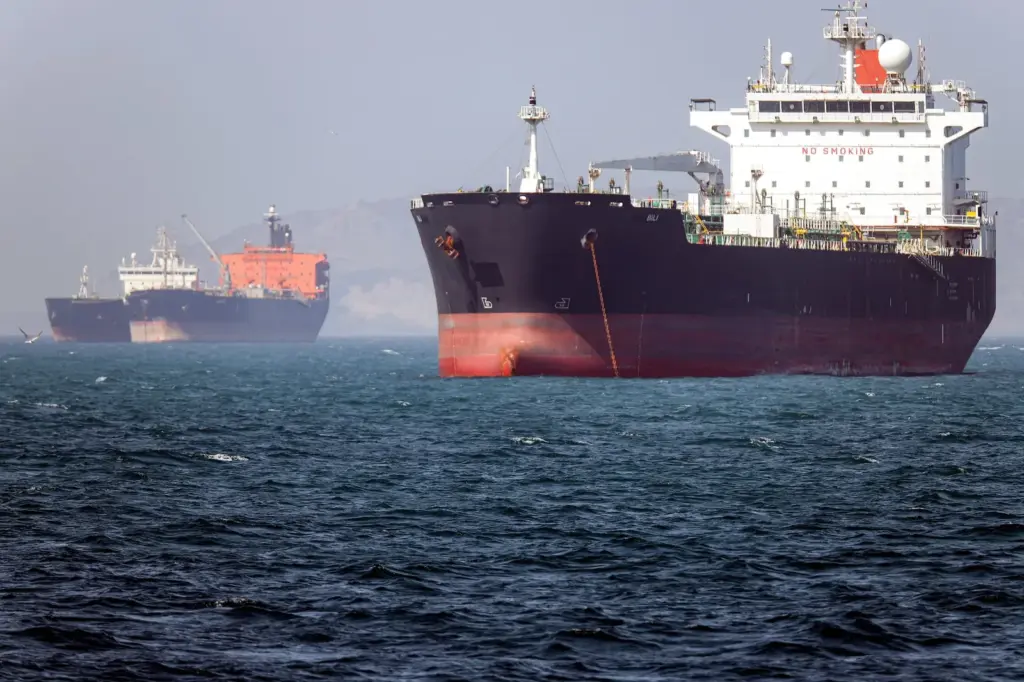
Washington, like the oil markets, woke up this Thursday awaiting that response, while discreet signs of negotiating activity took place away from public scrutiny. Meanwhile, the Strait of Hormuz remains closed due to a double blockade: the de facto one applied by Iran since the early stages of the war and the military one imposed by Trump since last April 7 for merchant ships originating from or destined for enemy ports.
The latter was reinforced with an initiative called Project Liberty, again announced by the President of the United States, who last Sunday ordered the Navy ships deployed in the Persian Gulf to “escort” the tankers trapped by geopolitics in that bottleneck through which about a fifth of the global energy supply passed. Those orders lasted little: on Tuesday night (Washington time, six hours ahead of mainland Spain), Trump said he was suspending its implementation to give negotiations a chance, with a new deadline: 30 days to end the war.
Among the points of disagreement on the table, the disagreement over the scope of Iran’s commitment to a moratorium on nuclear enrichment stands out, which, according to the regime, has been suspended since the so-called “12-day war” launched by Israel last June. How long the ayatollahs are willing to give up that program remains one of the main sources of conflict, and the positions of both parties have been clear since last month when they met in an unsuccessful dialogue in Pakistan: the United States wants a 20-year moratorium. Iran, five. What the middle ground between both bluffs will be is currently unknown.
The United States sent its proposal, which was a response, in turn, to a list of 14 points sent by Iran, which includes agreements on the future security of the strait and relief of economic pressure on Tehran. The spokesperson for the regime’s Ministry of Foreign Affairs, Esmail Baghaei, stated on Wednesday that his government was finalizing a response, and that it would communicate it to Pakistan, a country that has emerged as the key mediator in this crisis. Neither Tehran nor Washington gave details about the content of the U.S. plan.
Hours earlier, another Iranian official had dismissed it as a “wish list” from Washington. This Thursday, CNN reported that Tehran’s response would arrive before the end of the day, while Iran’s Foreign Minister, Abbas Araghchi, called his Pakistani counterpart by phone. Islamabad, the scene of the failed contacts between both parties, has shown in recent hours to be “hopeful” about the possibility of reaching an agreement “sooner rather than later.”
Read more The greeting between Donald Trump and Ilia Topuria: “I didn’t imagine he was so kind”
With his usual penchant for contradictory messages, Trump took for granted on Wednesday that the war will end “quickly.” The president also insisted on his main mantra in this crisis: his government’s goal is “not to allow [the Iranian authorities] to have a nuclear weapon,” as he repeated in a televised speech at a rally for the Republican candidate for governor of Georgia, Burt Jones. Hours earlier, he had threatened to resume attacks “at a much higher and more intense level” if Iran does not yield to his wishes.
With the war in its third month, it is no longer clear what impact Trump’s threats have on Iranian morale. The Washington Post reported this Thursday on a confidential CIA document circulating within the Administration that concludes Tehran is prepared to withstand the U.S. naval blockade for “at least three or four months” before facing more severe economic difficulties. Also, that Tehran retains significant capabilities in ballistic missiles despite weeks of intense bombings by the United States and Israel.
Another journalistic exclusive, this one from NBC, reported that Trump’s surprising change of mind about his plan to facilitate the passage of ships through the Strait of Hormuz was influenced by Saudi Arabia’s refusal to allow the U.S. military to use Prince Sultan Air Base — located southeast of Riyadh — or to overfly its airspace for that Project Liberty. The TV network also reported a phone conversation between Trump and Saudi Crown Prince Mohammed Bin Salman, which did not reconcile positions.
This Thursday, The Wall Street Journal published, on the other hand, that Saudi Arabia and Kuwait had lifted their restrictions on the use of their bases and airspace, opening the door for the Trump Administration to resume its plans to escort commercial ships with military support. It is not yet clear when Project Liberty could start again, whose first incarnation was only in effect for 36 hours.