







In the negotiation between the United States and Iran to end the war that started three months ago, uncertainty, denials, and — in Washington’s case — the urgent desire to announce some kind of agreement have definitively taken hold. A senior White House official speaking on condition of anonymity announced to the press on Thursday a preliminary agreement that Tehran denied shortly afterward.
Read more Elaine Bearer, neuroscientist and composer: “For me, music and science have never been separate”
According to that Washington source, both parties had sealed a draft that was only awaiting the final approval of U.S. President Donald Trump. That preliminary agreement supposedly included a 60-day memorandum of understanding under which the current ceasefire would be extended for that period, the Strait of Hormuz would be reopened to ship passage, and talks on Iran’s nuclear program would begin. But official media in Tehran deny that any text has been finalized, hours after a new round of military skirmishes in the Persian Gulf area. And the White House itself avoids confirming the exact status of the situation.
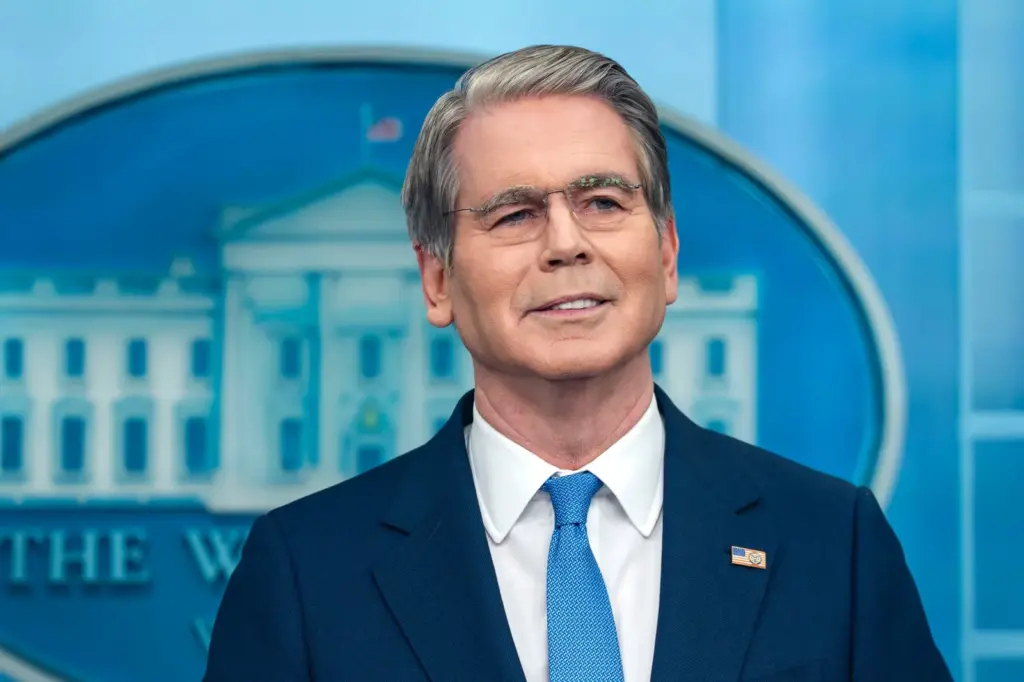
“Maybe we have the makings of an agreement… It all depends on what President Trump wants to do,” Treasury Secretary Scott Bessent insisted on Thursday at the White House’s weekly press briefing, unwilling to take a definitive stance. “It’s a decision that President Trump has to make.”
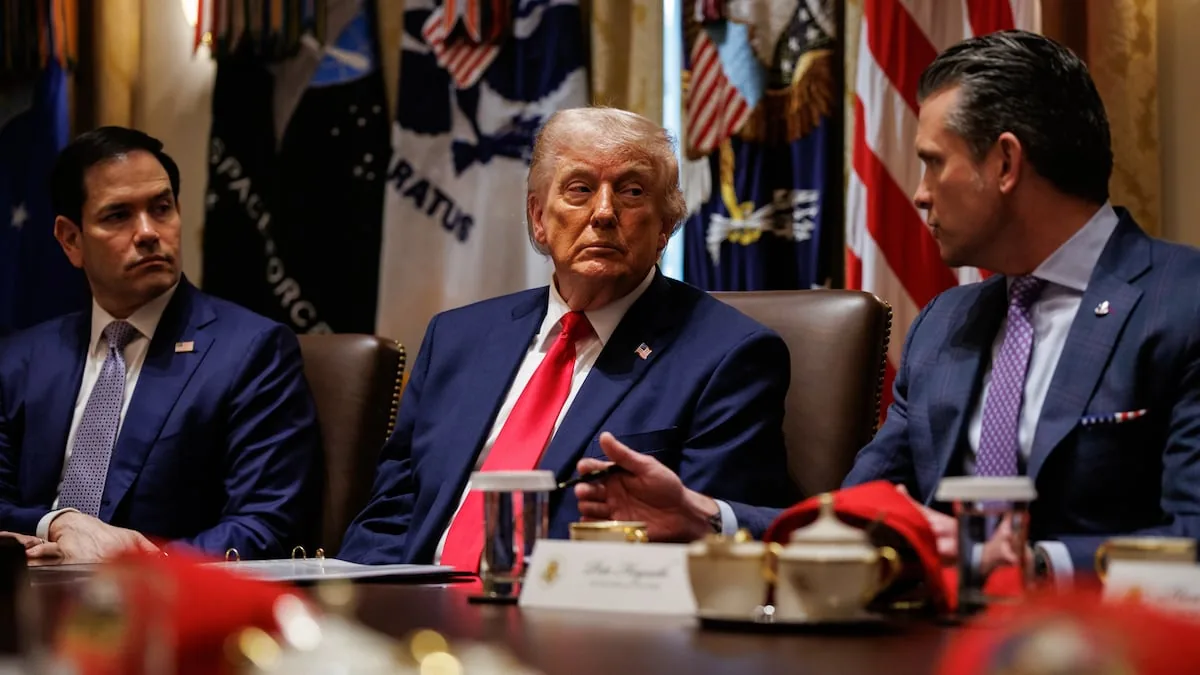
The president’s opinion is key. Trump has already reversed progress blessed by his team on other occasions. In previous days, the president boasted of not being interested in a deal that only resolves some of his demands, and of having no rush to reach an understanding if it does not fully satisfy him. Trump himself had even hinted last weekend that an agreement between the two adversaries was practically closed, only to backtrack barely a day later.
The semi-official Iranian agency Tasnim published that Tehran has not conveyed to the Pakistani mediators that the memorandum is finalized, but will inform both the intermediaries and the public once it is. According to this version, the reports in Washington that an agreement has been reached are false.
If the memorandum of understanding goes ahead, something anticipated by the news portal Axios, the agreement would represent the biggest diplomatic advance since the start of the war, although what has been leaked about its content leaves many loose ends and difficult issues to resolve. On the most thorny issue, Iran’s nuclear program, both parties maintain diametrically opposed positions.
It seems hard to believe that in just 60 days of ceasefire extension they could resolve their differences. And what is supposedly achieved — gradually opening Hormuz, and ending hostilities — is nothing more than a return to the same situation that existed on February 27, the day before the Epic Fury operation began, the U.S.-Israeli offensive. But now with a toll of thousands dead, great destruction even in their military bases in the area, enormous military spending, and a severe blow to the global economy.
An agreement that can be sold as a success would, in any case, represent a very welcome breath of fresh air for a Trump already eager to move on from a conflict he launched thinking it would be resolved in the blink of an eye. The war is deeply unpopular among voters and has pushed his popularity to its lowest levels so far in his term, between 34% and 37%, according to polls. Inflation is rising again and last month stood at 3.8%, driven by a nearly 50% increase in gasoline prices from pre-conflict levels. And with it, the rest of the products.
It is an alarming situation for the White House ahead of the midterm legislative elections in November, although the president proclaimed on Wednesday, at a Cabinet meeting, that he is not “worried” about those elections in which control of Congress will be at stake and, with it, the possibility of blocking the president’s legislative agenda; or even, in case of a Democratic opposition victory, of impeachment proceedings against the president and members of his administration.
So far Iran has not confirmed the closure of this preliminary agreement, while Secretary of State Marco Rubio prepares to meet in Washington with one of Pakistan’s mediators in the negotiation process, Foreign Minister Ishaq Dar.
According to Axios, the memorandum will stipulate that maritime traffic through the strategic Strait of Hormuz will be “unrestricted.” This implies that there will be no toll mechanisms or harassment against merchant ships crossing that bottleneck connecting the Persian Gulf with the Indian Ocean. Iran will remove the mines with which it blocked passage within thirty days, the portal states, citing a senior U.S. official.
In turn, the United States will lift the naval blockade it imposed on Iranian ports, although it specifies that this will be conditioned on the restoration of commercial maritime traffic. Washington will also approve a series of exemptions to its sanctions against Iran, so that the country can sell its oil abroad.
The memorandum, according to Axios, will include a commitment from Iran not to develop a nuclear weapon. Sources from this outlet point out that among the first issues to be addressed in the 60-day negotiations will be one of the most thorny issues between the two adversaries: the highly enriched uranium that Iran already possesses, but which is buried many meters deep under the rubble of the nuclear facilities that the United States bombed last June. The negotiations will address how to remove that uranium and what happens with Iran’s uranium enrichment activities.
Sanctions relief
Also, and always according to these reports, the United States commits to also address sanctions relief and the unfreezing of Iranian funds from oil sales that were frozen as a result of those punitive measures. Both enemies will also discuss a mechanism to help Iran start receiving goods and humanitarian aid from abroad.
On Wednesday, in statements during a Cabinet meeting, Trump had ruled out that Washington would negotiate with Tehran on the return of funds or easing of sanctions.
“We are not talking about relaxing sanctions or giving them money. Neither sanctions, nor money, nor anything… We control money that they say is theirs (seized under sanctions). We will keep control of that money, and when they behave properly and do the right thing, we will give it to them. But right now they are not doing that,” he said then.
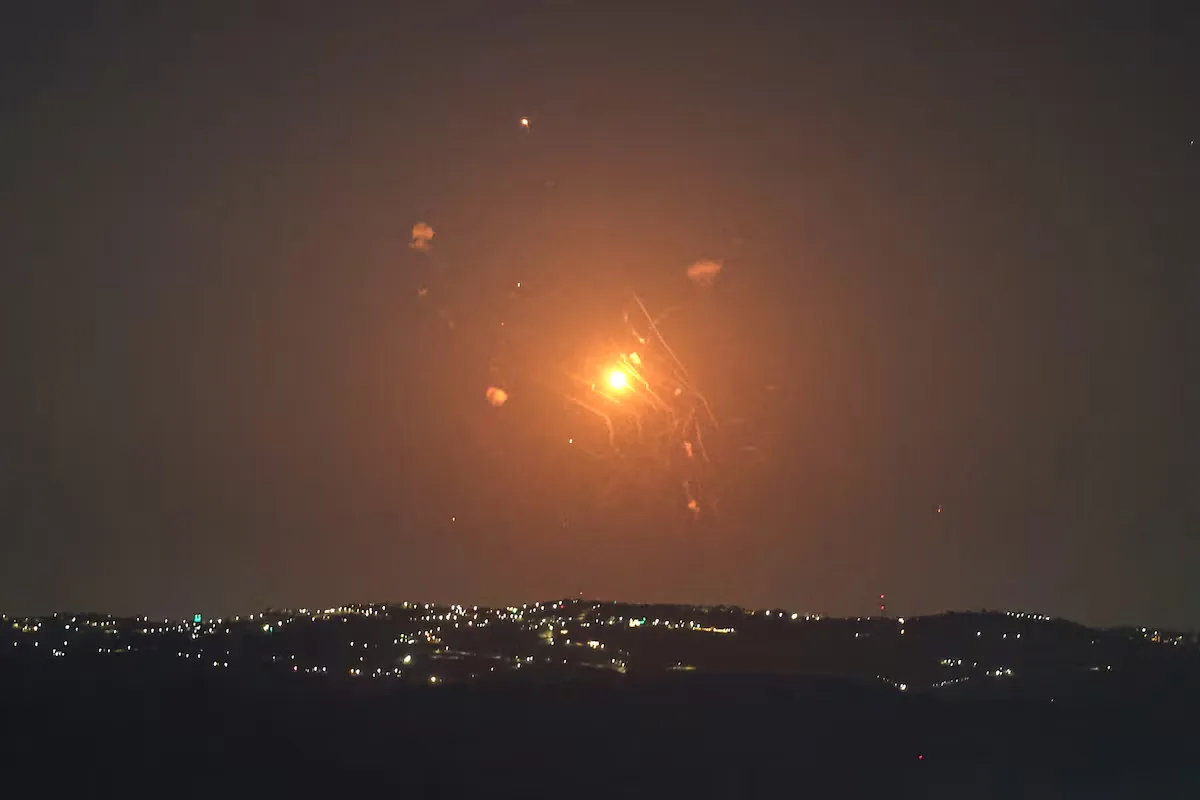
Thursday’s announcement comes hours after an exchange of attacks between the two military forces. Skirmishes that, although low intensity, make clear the fragility of the talks and the ceasefire in effect since April 8. According to a senior U.S. official who spoke on condition of anonymity, Iran launched five drones in the area of the strategic Strait of Hormuz, which it keeps blocked, and the United States intercepted and shot them down. U.S. forces detected that a military installation in southern Iran was preparing to launch a sixth drone and bombed it to prevent it.
In retaliation for those strikes, Tehran’s forces fired a ballistic missile at Kuwait, according to the Iranian Revolutionary Guard Corps. The emirate’s army, which hosts a large U.S. military base, intercepted the projectile, according to Central Command, responsible for U.S. forces in the Middle East. It was the second clash between the two forces this week and coincided with the Muslim holiday of Eid al-Adha.