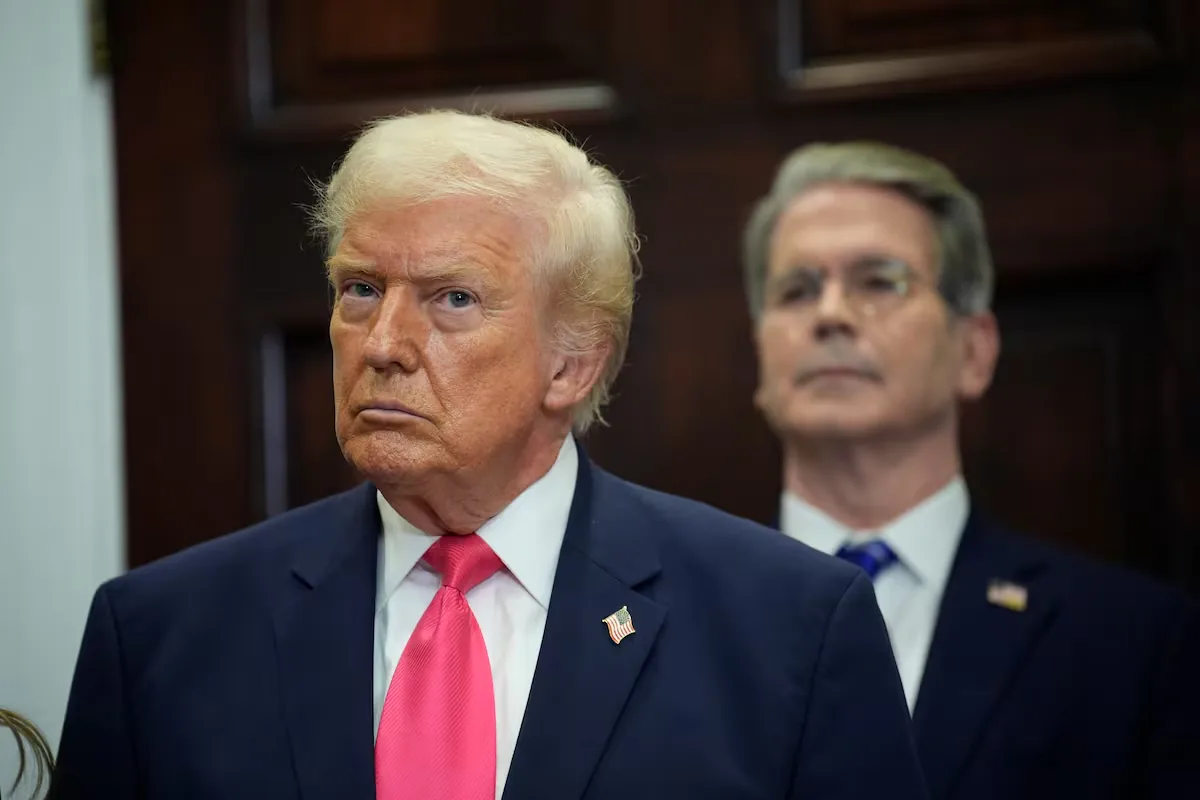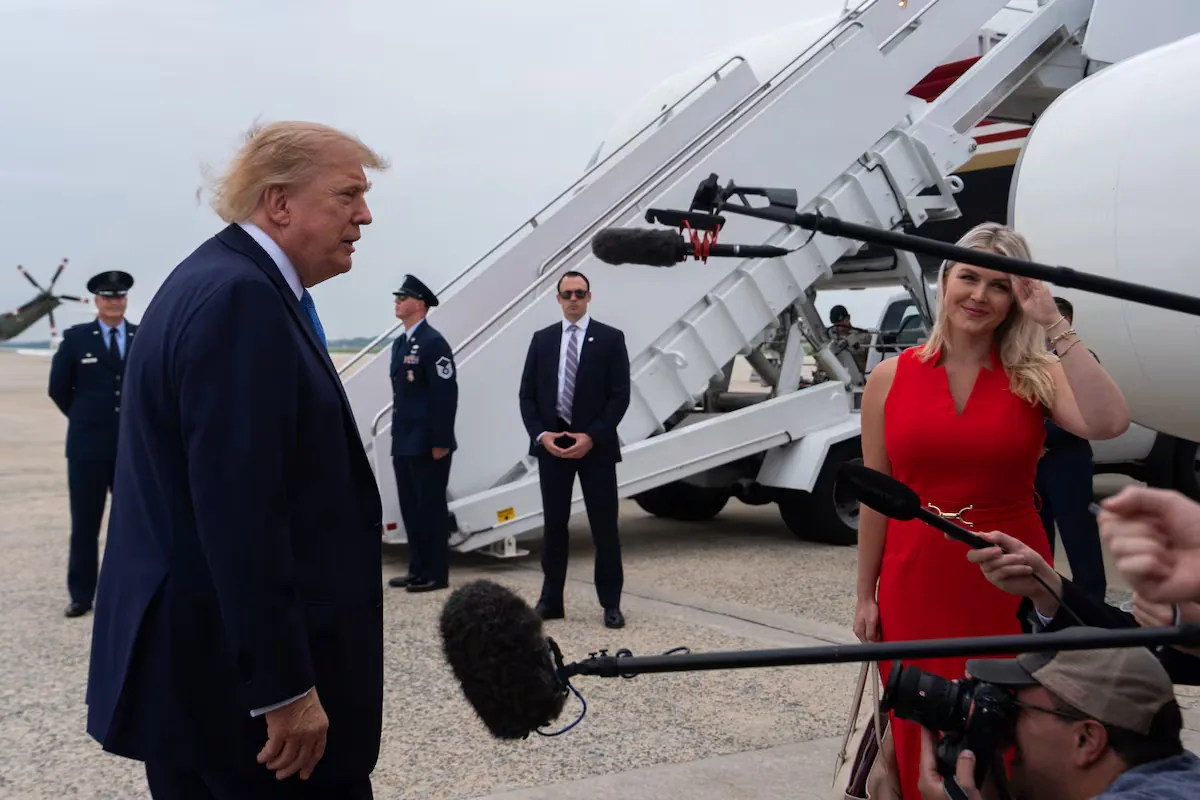
The United States wants to know the support of each NATO member for the Trump Administration and its policies to allocate military resources for the defense of the Atlantic Alliance. Washington has sent a questionnaire to each country asking about the level of support for the U.S. president, Donald Trump, as reported by Bloomberg. “Have you publicly expressed your support for U.S. foreign policy?“, “What restrictions has the country imposed on the use of its military bases by the United States?“, are some of the questions included in the document sent to the allies.
Read more Jeff Bezos enters as a minority shareholder in Liverpool
Trump has pressured all Alliance members to raise military spending to an amount equivalent to 5% of GDP and has urged them to buy directly from U.S. arms manufacturers with the aim of boosting his defense industry.
The questionnaire suggests several topics on which Washington has expressed its dissatisfaction with its NATO allies, including the lack of support for the war against Iran, the military operation to capture former Venezuelan president Nicolás Maduro; or the common European policy to award defense contracts to companies from the Old Continent instead of awarding them to U.S. contractors.
The document sent to the allies appears intended to assess the allocation of U.S. military resources in Europe, taking into account each country’s support for the policies of the U.S. Administration.
NATO held a summit in Ankara in early July to review the level of military spending, launch an initiative for the joint development of drones, and set support for Ukraine in the war against Russia.
Read more Kast names Francisco Riveros as Minister of Sports following Natalia Duco’s resignation
The meeting began with threats from Trump because he considered that the allies were not spending enough and were subordinating their own security to the United States. The occupant of the White House went so far as to call European leaders useless and threatened to close some military bases and withdraw all U.S. troops from Europe. But after hearing the arguments of his allies, who did not spare flattery, he concluded that the meeting had gone wonderfully and that he “felt the love in the air.”
After that meeting, Washington seeks to measure the degree of loyalty of NATO members. In the questionnaire sent to each country, it asks if they have publicly opposed regulations that hinder contracts with U.S. companies. And it asks, “Has the country demonstrated alignment with the U.S. approach of ‘strong, clear, and discreet’?”, a clear reference to a phrase spoken by Defense Secretary Pete Hegseth a few months ago during a conference in Singapore on security in Asia, where he insisted that “the era in which the United States subsidized the defense of rich nations is over.”
The U.S. government sends the document a few weeks after the semi-annual review of its military presence in Europe began, a process expected to conclude in December. This process has caused NATO allies to prepare for significant cuts in U.S. support, including troops stationed in Europe and military resources that the United States would send during an attack.
Washington’s new approach of conditioning military support on loyalty to Trump’s policies would change the transatlantic relationship created after World War II. The U.S. Administration has not hesitated to publicly support countries with conservative governments that share its aggressive policies, immigration policies, and ultraconservative vision.