








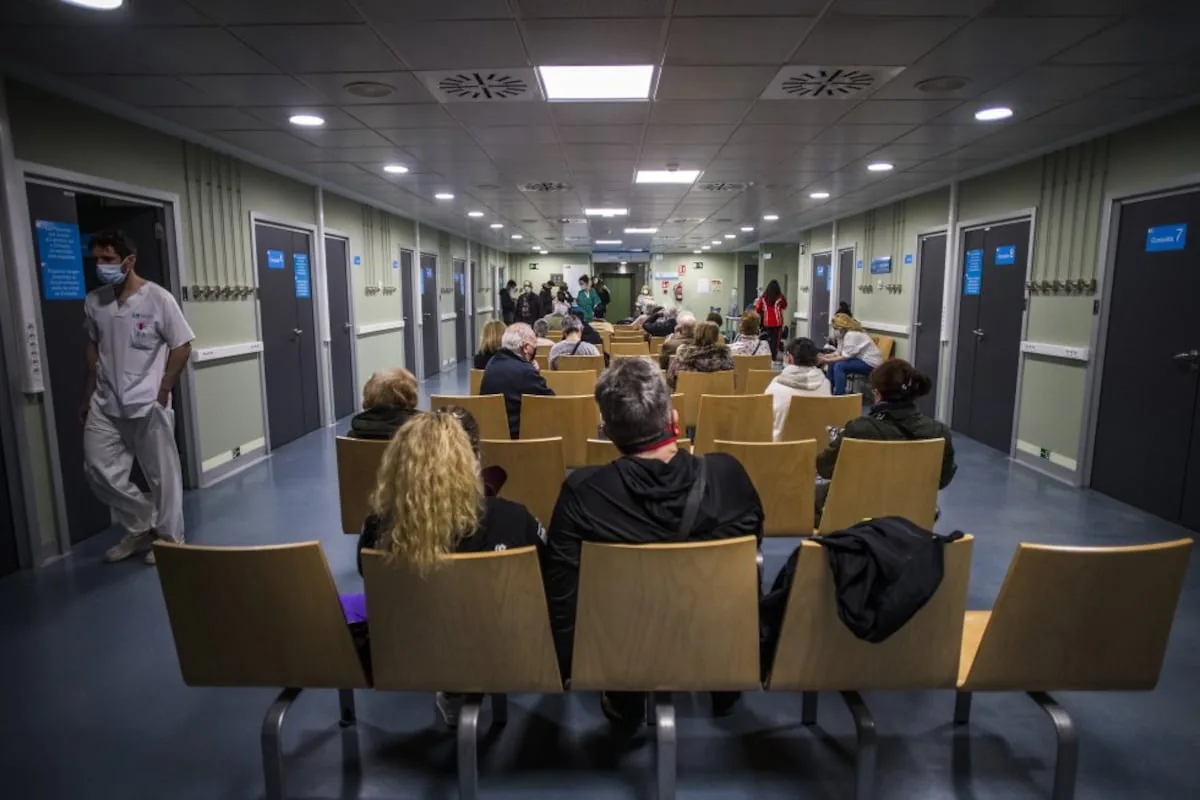
In Spain, there are currently more people than ever on the waiting list for surgery. There are a total of 853,509, of which 184,000 have been waiting for more than six months, according to The evolution of the data from the last decade indicates that the progressive reduction of the lists and waiting times was abruptly interrupted during the pandemic and we have not regained the previous position.
It was very difficult to absorb the delayed care due to the saturation of hospitals from covid. With a healthcare network still weakened by the effort of the health crisis and the subsequent overload, public health has also had to deal with a new factor: the increase in population in recent years. Most communities apply specific programs to shorten the lists, but the growth in demand and the needs associated with the aging population have outpaced the resources enabled.
The result is that waiting lists do not improve significantly and are much worse than before the pandemic. The delay for a scheduled surgical intervention amounts to 121 days. Serious as it is — because that means patients do not enjoy the quality of life they could and run the risk of their condition worsening — in this case it concerns already diagnosed and controlled pathologies. More worrying is the delay for a consultation with a specialist — which is stuck at an average of 102 days, more than three months — because that visit often determines the diagnosis of a disease whose prognosis depends on early access to treatment. It is significant in this case that six years later we have not managed to return to the waiting times of 2019, which were 57 days. Nor does the percentage of patients waiting more than 60 days to see a specialist improve: now it is 61% of those on the waiting list, when eight years ago it was 37.4%.
These figures explain the growing dissatisfaction with public health reflected in user satisfaction surveys. It is clear that greater efforts must be made to speed up care and reduce waiting times. It must also be taken into account that these data do not even reflect the whole reality. They do not include delays in Primary Care, which continue to increase, nor the time it takes the patient to complete the battery of tests after the visit with the specialist, which delay diagnosis and treatment. They also do not reflect the situation of specialties that are real black holes in the public health system, such as mental health, where long delays, even for the first visit, cause avoidable emotional suffering for both patients and their families.
Healthcare management is a competence of the autonomous communities and reducing waiting lists is a recurring electoral promise. But it is essential that all administrations are aware that the record increase in these lists could end up undermining a decisive element for social cohesion: the public health system.
Read more Return to southern Lebanon: «We will raise a new generation that fights against Israel»