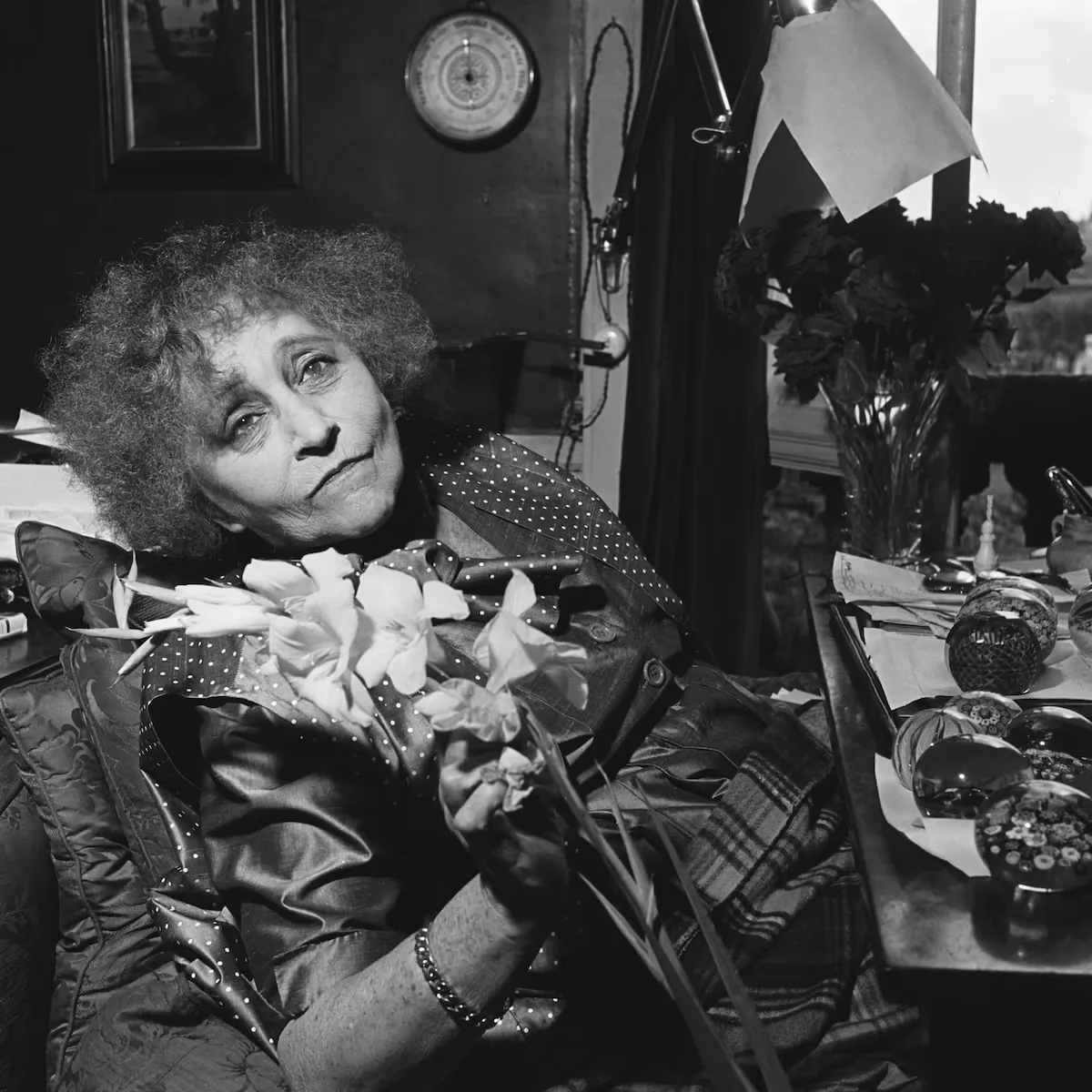
The writer Sidonie-Gabrielle Colette (1873-1954) had a butterfly collection. And a great passion for horticulture that she cultivated during the summer months in Saint Tropez and, at the end of her life, in her apartment overlooking the garden of the Palais Royal. There she spent her last days confined to a wheelchair due to arthritis in her hip.
Read more Chess analysis | The fullness of Carlsen (XXVI)
She was cared for by her third husband, the journalist and survivor of the Compiègne concentration camp Marice Goudeket, who was 16 years younger than her and accompanied her until the end. Colette’s life was one of freedom — she made a living writing essays, novels, journalism, and theater criticism and spoke openly about her bisexuality — also of love — she married three times and had numerous lovers — and finally of vindication. After working for years, almost enslaved, for her first husband, the publisher Henry Gautier Villars Willy (15 years older than her), she fought to regain the authorship of her works. Amid all this activity, she also found time for contemplation.
The text now translated into Spanish relates to that occupation: she dedicated herself to portraying flowers by personifying them, letting herself be carried away by free associations. The commission was, in fact, an invitation from the Mermod publishing house in Lausanne that proposed a barter. They would send her bouquets of flowers to brighten her convalescence and she would portray the flower sent. The result, a collection of 22 floral portraits, was published under the title For a Herbarium which now sees the light in Spanish, translated by Blanca Gago, and published by Gallo Nero.
In the book, the rose serves to long for its imperfections: “We bought you just as God created you, a little bitten here, a little reddened there, not like now when the florist plucks it, depilates it and tears off a couple of rows of petals until it is beautiful and spotless.” The lily was the lord of the garden of her childhood “near the tarragon, sorrel or purple garlic.” And the gardenia, the one that decides when night falls by perfuming the darkness. The wisteria spills over and Colette observes that its encounter with the neighboring honeysuckle is animal: “At first it pretended not to notice it and then slowly strangled it, like a snake strangling a bird.”
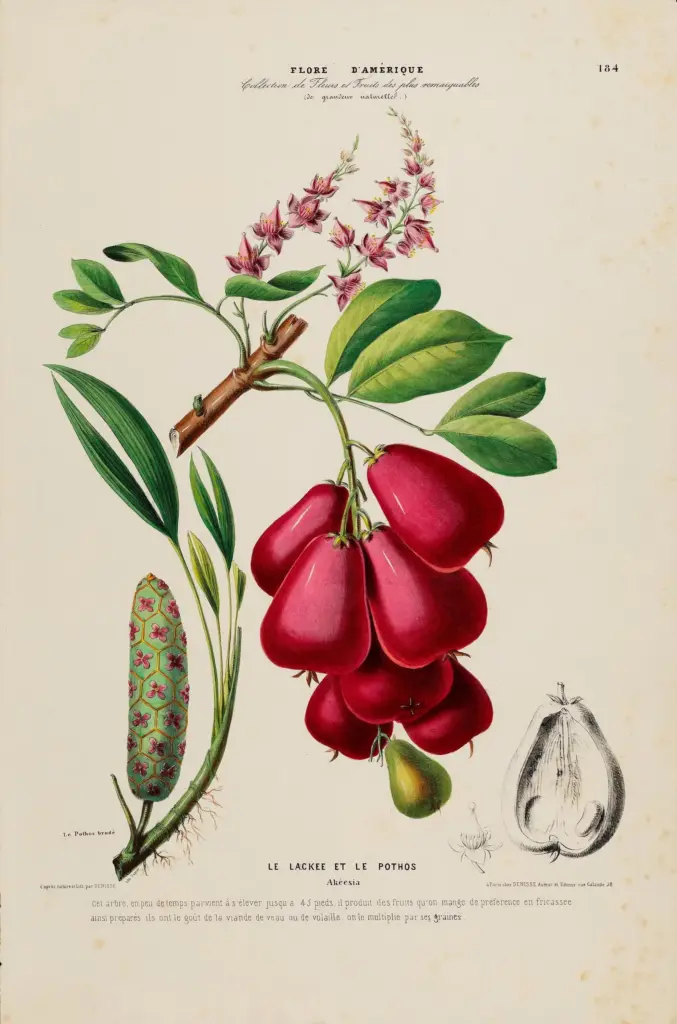
An avid reader, for the tulip she turns to Théophile Gautier, who compared it to a Chinese vase because it lacked fragrance. She also did not like the smell of the peony, “it smells like a bumblebee.” And the pothos seemed to her “a cucumber whose emerald-colored epidermis appears divided into regular hexagons, like the tiles of a bathroom.”
Read more China will take «necessary measures» in response to US sanctions over its support for Iran
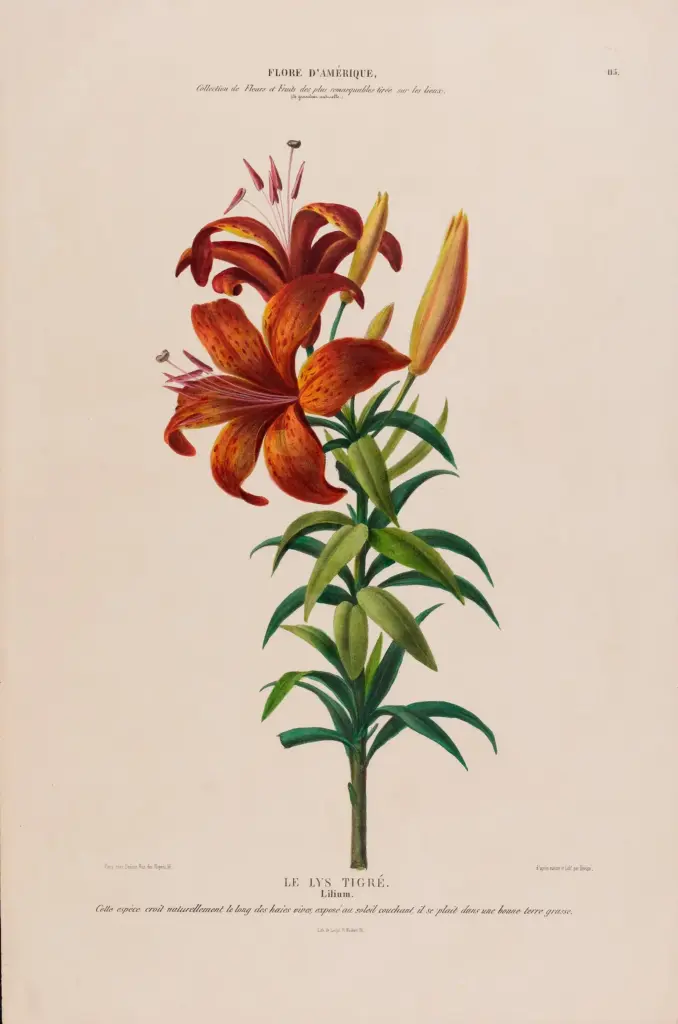
For a Herbarium is, in fact, a bouquet of flowers made with words. Confined between four walls, Colette dedicated herself to observing the bouquets and imagining. And she did so, above all, by personifying and doubling her gaze. Thus, in the book she sometimes returns to the garden of her childhood, to indicate that the lily ruled. Other times, as when she talks about the red camellia, she does not need a botanical excuse for us to recognize the passionate writer: “Everything that was marked by excess keeps fidelity to us.” “A certain deplorable taste, and a certain shamelessness without limits, are strangely tolerated.”
Author of a highly autobiographical work, from Claudine in Paris, Claudine Married and Claudine Leaves to The Vagabond or The Hidden Woman, her books display the freedom she knew how to conquer in life and which earned her the presidency of the Goncourt Academy. The Pléiade gathered, years after her death, all her work. When she died, she was the first writer to whom the French Republic organized state funerals, despite being denied a Catholic funeral.
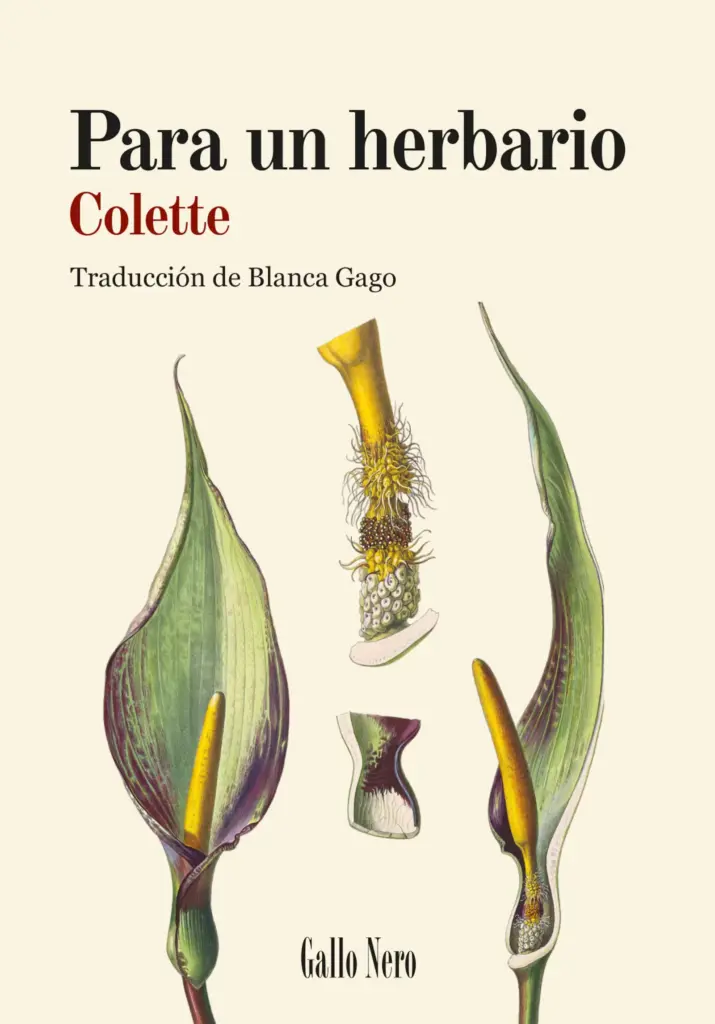
Colette loved animals, so, confined to her room, she continued her habit of reading about botany, entomology, and zoology. That is why her herbarium is her small treatise on horticulture, a story more imagined than natural of flowers, which reads like a walk through a garden.
Read more Arrested in Valencia a fugitive wanted for an attempted murder in Germany in 2025