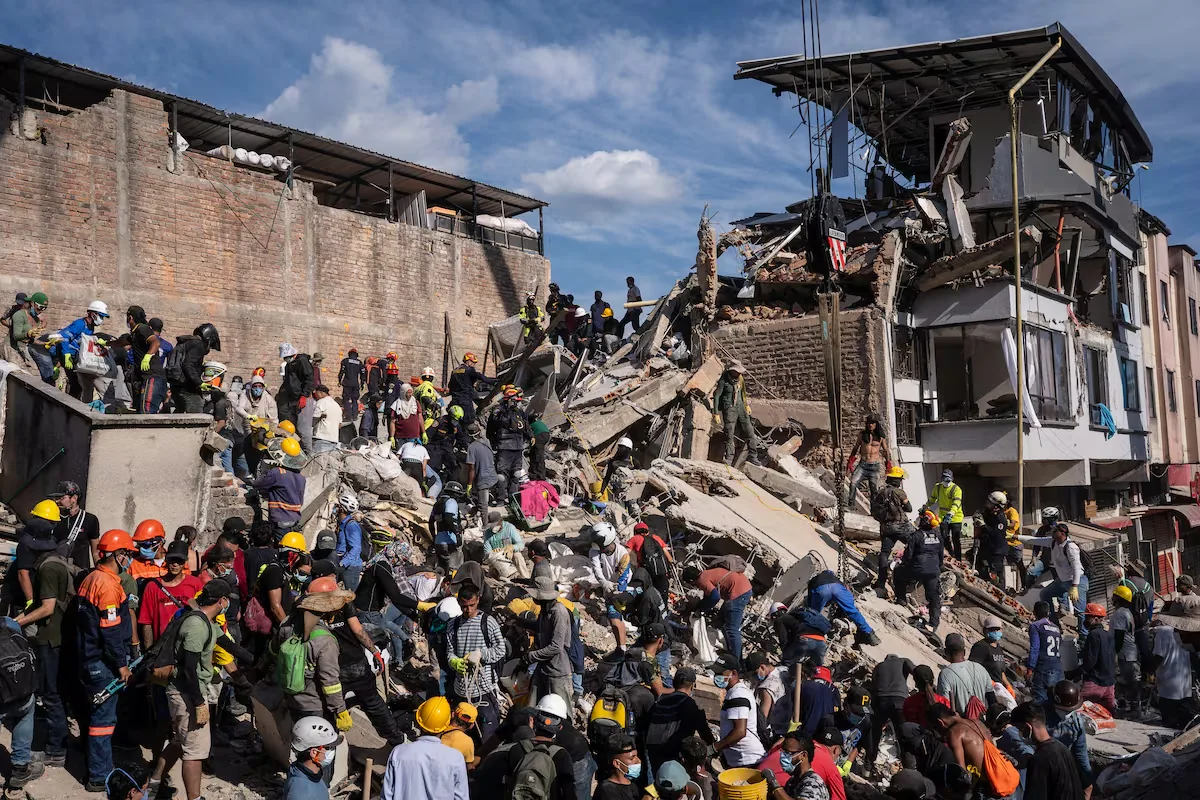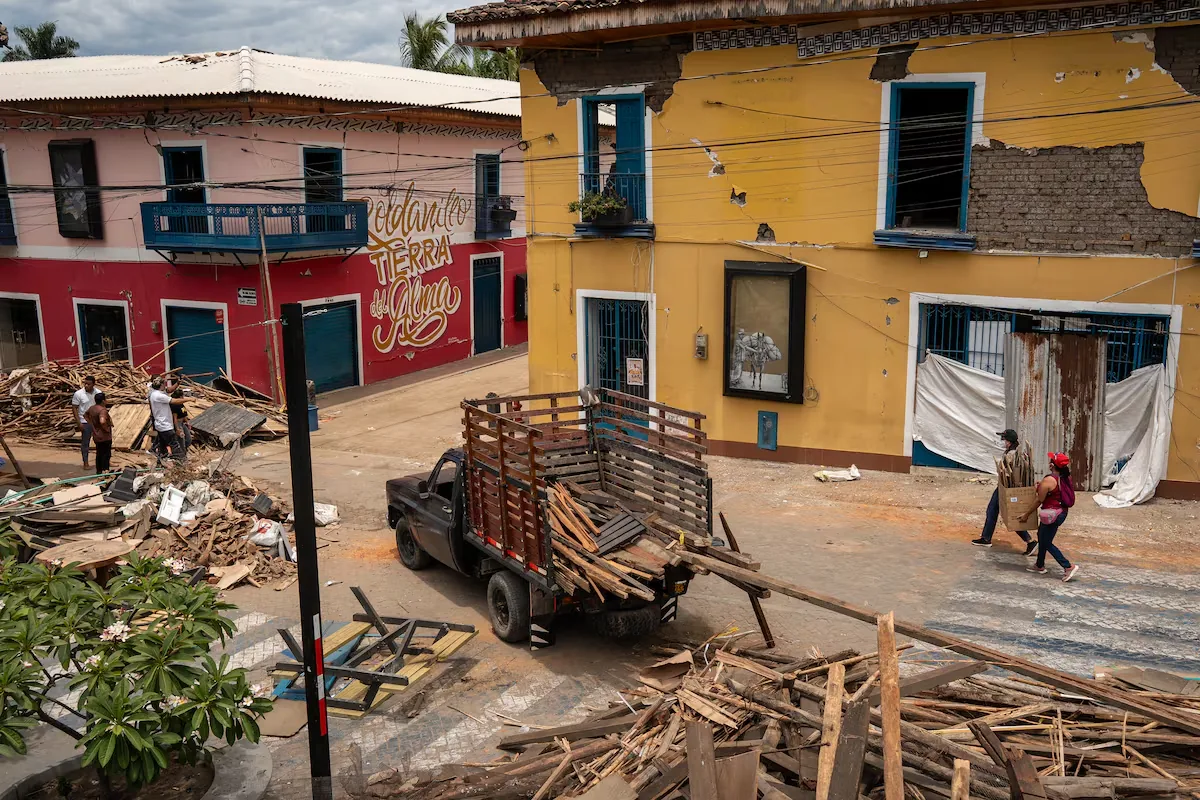
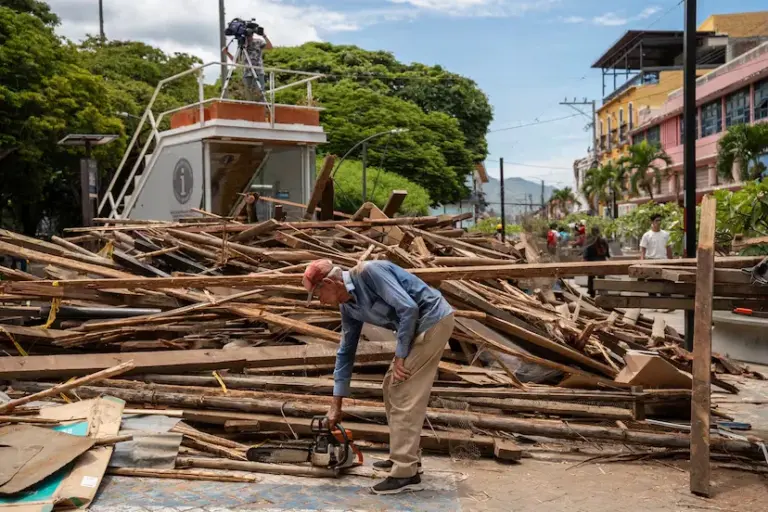
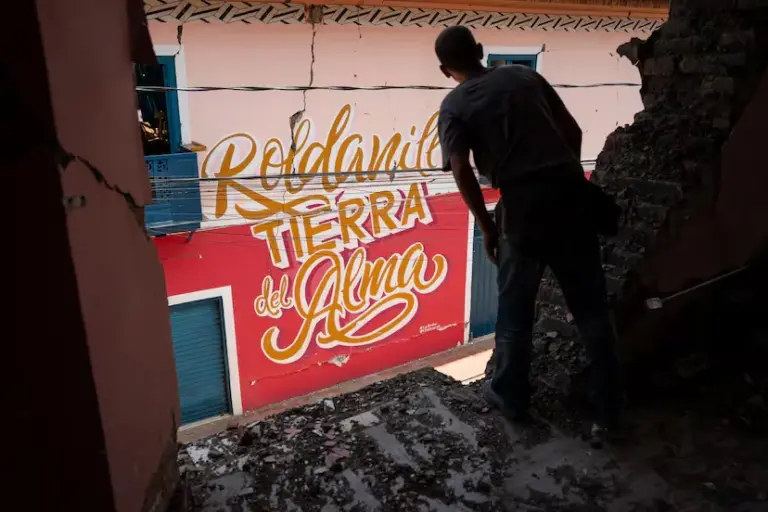
Roldanillo, the most artistic town in Valle del Cauca, seems to be a place under construction. A motorcycle drags long cane profiles with a trailer; a car does the same with construction material, and debris accumulates at the edges of the streets. The works in this town do not carry the excitement that usually comes with renovations and refurbishments. Behind the work are the pain and mourning for the destruction of a town that until the morning of August 10 was famous for the colorful facades of its century-old buildings and for its cultural and gastronomic offerings. All that was put on hold by the magnitude 7.4 earthquake on August 10.
In the past dominated by drug trafficking violence, Roldanillo is a tourist destination. Besides the striking colors of its facades and the well-maintained murals that adorn the streets, the town is home to the Rayo Museum, dedicated to the work of artist Omar Rayo, born here in 1928. It is also the site of the paragliding world championship: in fact, it is common to see professional and amateur paragliders descending through the sky every day, almost always a bright blue. All that offering has been compromised after the tremor, which left two people dead, 112 injured, 3,000 damaged houses, and 12,000 affected. Roldanillo, along with other towns in the northern Valle such as El Cairo, El Águila, or Versalles, has ended up with much of its material heritage severely affected.
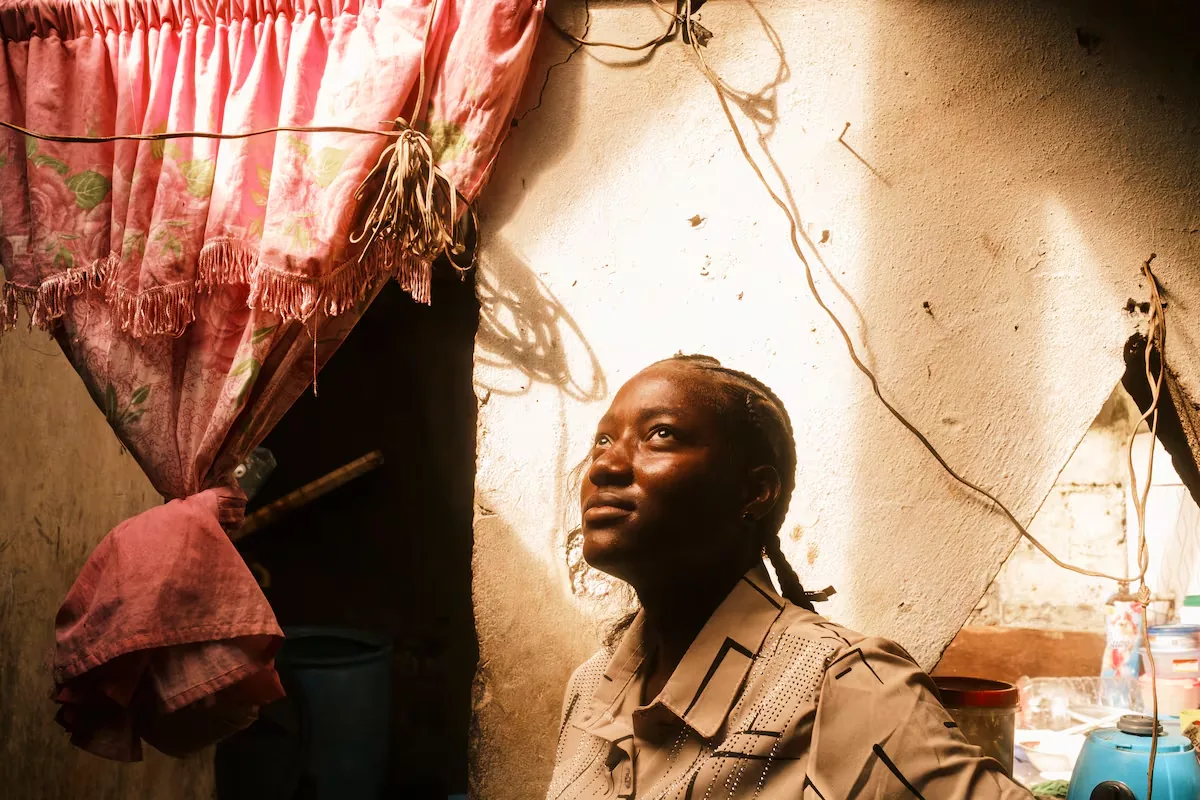
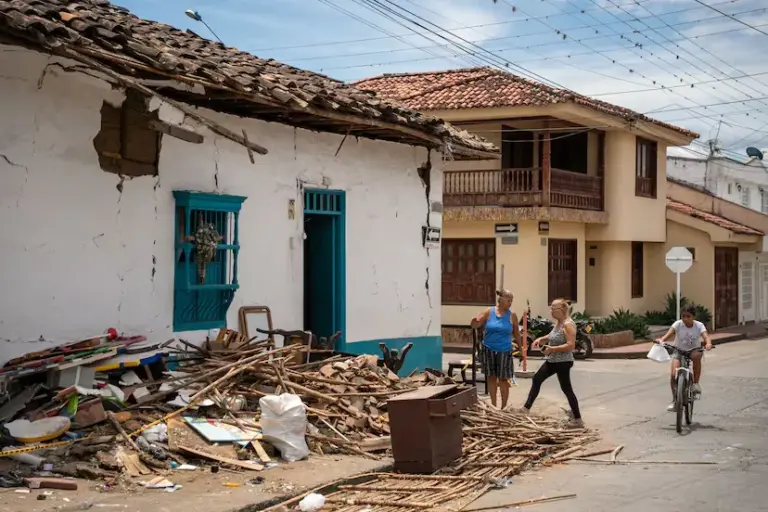
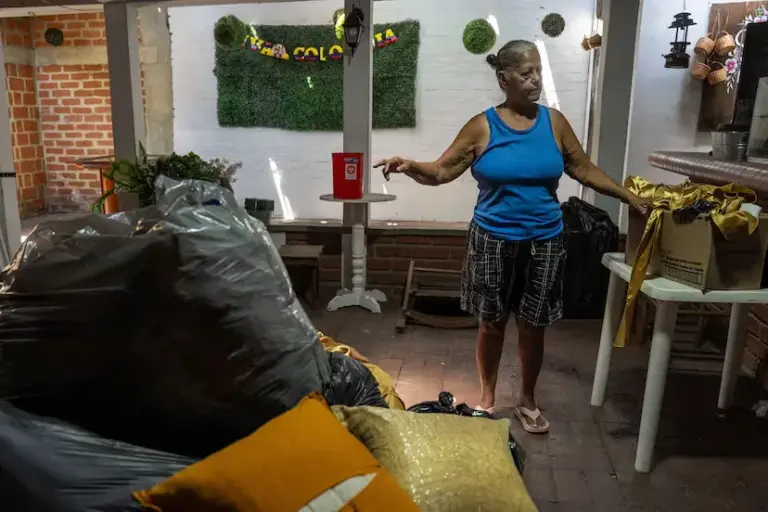
From a corner house painted blue and white, a group of people throws large pieces of wood, mud debris, and old furniture into the street, which barely last a couple of minutes on the sidewalk before someone passes by and takes them away. Lucia Moreno Murcia lives in that house; she had just started the day when she felt the ground move. She carried her older sister on her shoulders, and they took refuge in the central courtyard of the house. There they endured, lying on the ground, the endless minutes of a tremor that seemed never to end. “The debris fell on the door and trapped us inside. I dug and dug, we started calling for help until I fainted,” she says, with a gesture revealing a fear that has lasted five days.
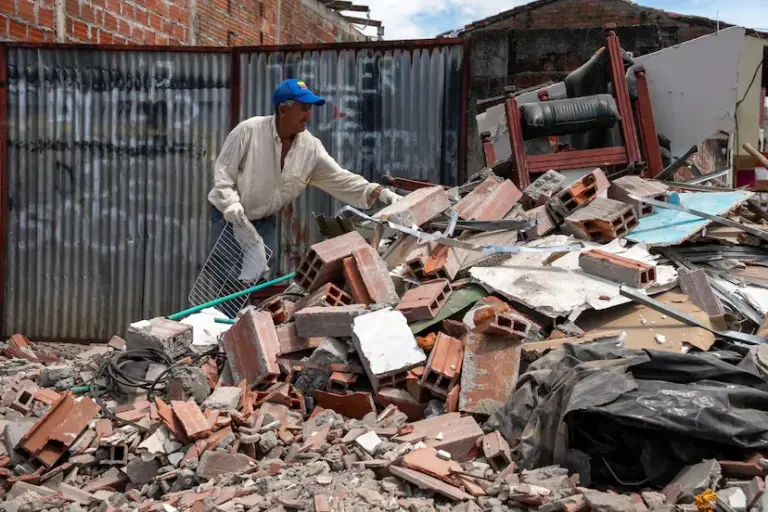
She estimates that her house, around La Ermita park, is over 100 years old and also survived the 1999 earthquake that devastated much of the Coffee Axis. It does not seem able to withstand another: the light of a sharp sun filters through the cracks fracturing the adobe walls that have sheltered decades of family memories now marked by pain. The floor and roof seem to creak occasionally, but no one is sure if it is real or just an impression. Among the few things left in place after the tremor is a cross made of branches and dried flowers, an altar in a corner dedicated to the Virgin Mary, and a painting of the Sacred Heart of Jesus. The house’s residents do not hesitate to give it symbolic meaning.
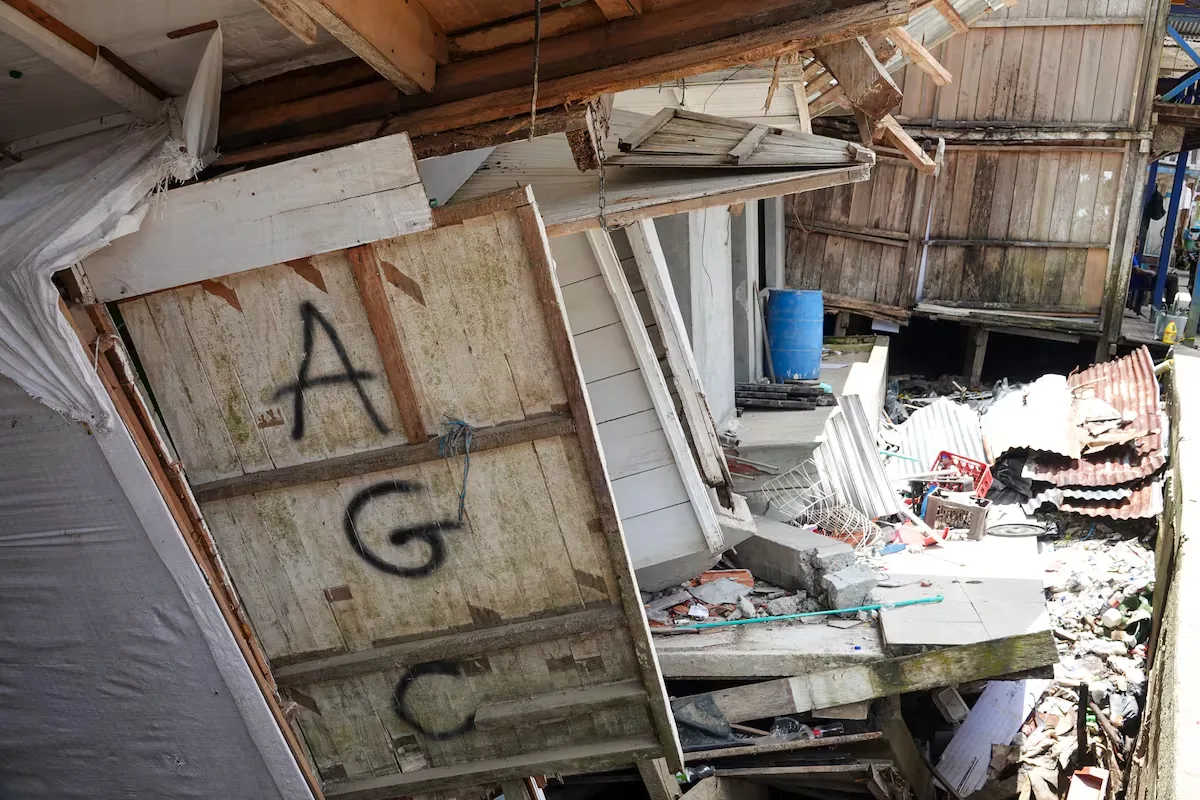
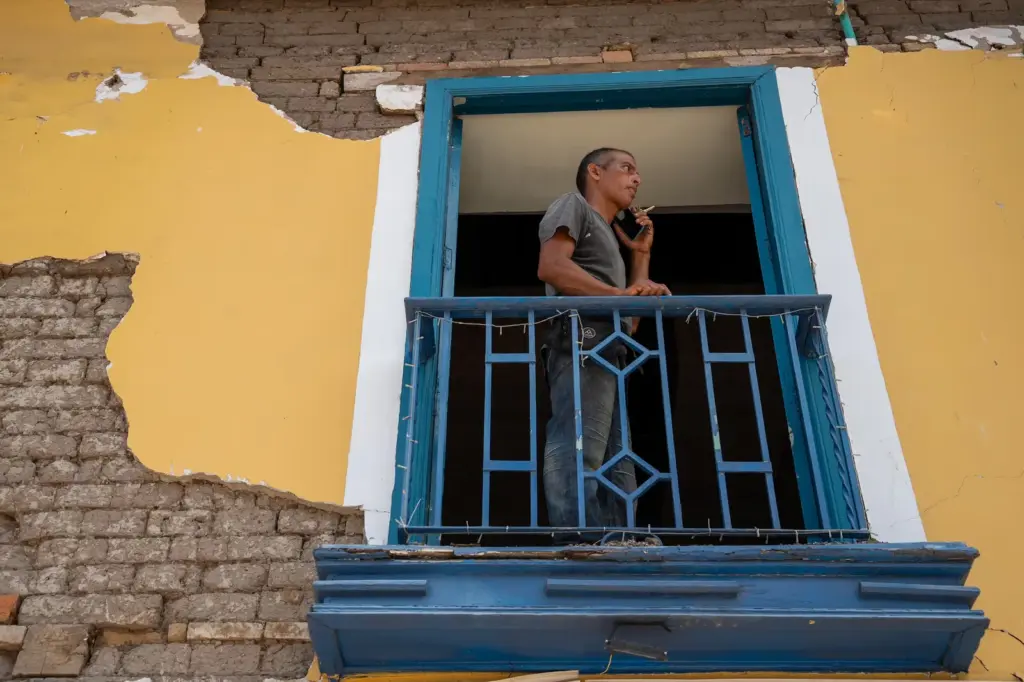
The image of the tragedy repeats on every street. In front of La Ermita park, an elderly man refuses to leave his house, already with the roof fallen and piles of debris on the door. He spends hours sitting in front of what was the entrance gate, as if refusing to accept that his house will eventually have to be demolished. The entire town has collapsed. Cracked walls, exposed houses, collapsed roofs. A traffic light, symbol of order, now has its cables exposed, although it continues to light up and change colors to regulate traffic that does not pass: the roads are closed.
The City Hall building lost its roof and several pieces of its walls fell to the ground. The church, for an unknown time, will not be able to hold more masses. The colorful walls of the restaurants and cafes that were crowded by locals and visitors every weekend are now full of scars and stains the grayish color of the handmade bricks with which they were built at least a century ago.
Luz de la Peña Parra traveled from Bogotá to Roldanillo three days before the earthquake for her vacation. Now she seeks to cool off from the heat by eating cholao — a traditional preparation from this area that mixes shaved ice with fruits and sauces — while recalling the moment of the tremor. “You felt like the trees were walking,” she says, with a kind smile that also reveals that, in her case, the earthquake meant nothing more than a scare. It did not happen to the two people who died in the earthquake, one of them, former councilman Juan Carlos García, who died when the gym where he was exercising collapsed that morning.
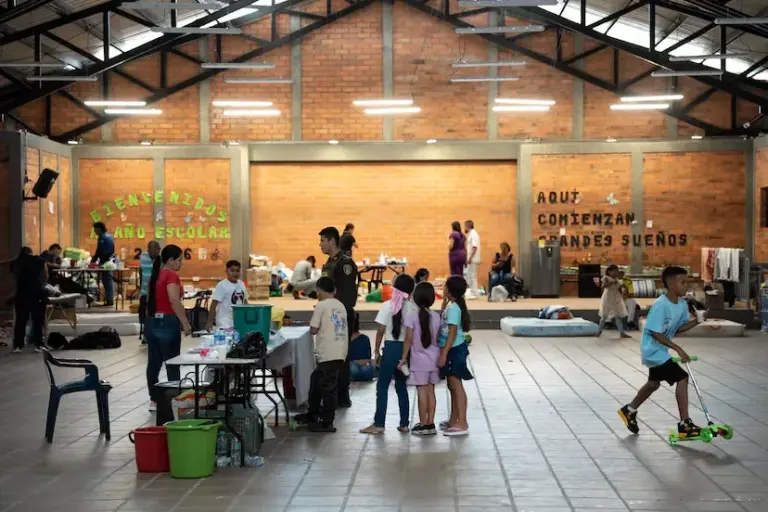
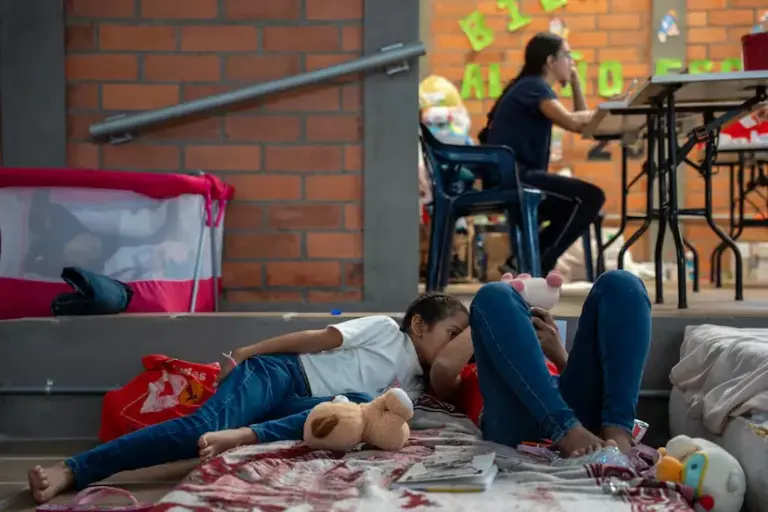
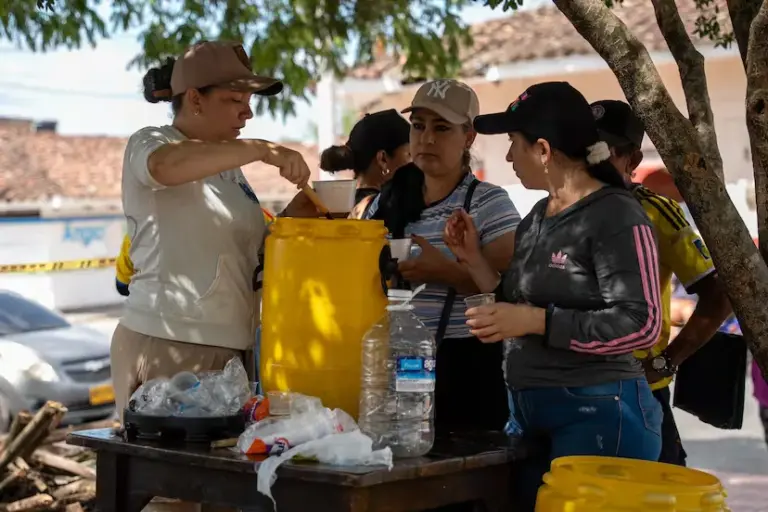
“This town is chaos,” says a woman, flushed from the intense mid-afternoon heat, as she leaves the shelter set up by authorities at the Nuestra Señora de Chiquinquirá school. About twenty families who lost their homes take refuge there, although the municipality’s affected people have exceeded 1,000. Until Wednesday, they were in the Iván Muñoz covered coliseum, but cracks that snaked through the joints of one of its walls forced their relocation due to the risk of collapse. Now, those nearly 60 people sleep in the small covered coliseum of the school, now converted into a huge room full of mattresses on the floor that also serves as a medical post, a recreation place for children, and a collection center for aid and donations.
Read more Entertainment
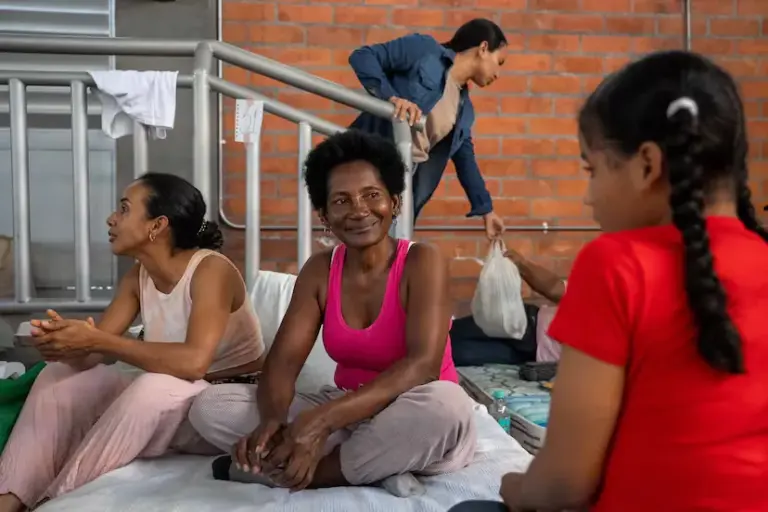
Yenifer Castro has spent three nights in the shelter with her mother, Amelia Riascos, a woman who arrived in northern Valle five years ago fleeing violence in her native Tumaco (Nariño). They have lost their home but also their livelihood, which was a small hair salon and a stand for grilling arepas at night. And although the shelter’s rooms accumulate tons of aid — including food, clothing, hygiene items, and medicines — no one knows for sure what they do with the donations. Yenifer denounces that the aid does not reach the victims directly. “They keep it stored in a room, and if you ask for something, they deny it,” she says resignedly, having asked for pajamas to sleep but was denied the option.
Resignation is not hers alone. Lizeth Chávez, 31, arrived at the shelter with her 17-year-old daughter and her four-year-old grandson. She says she is counting the hours to leave and start over because they feel humiliated. “They even deny us the market. They don’t let us choose any clothes. People bring donations and trucks arrive, but they enter through a back door so we don’t notice,” she denounces, her eyes filling with tears. Shelter officials maintain, meanwhile, that this is their way of centralizing and redistributing the aid that arrives among the municipality’s people and rural areas. But not everyone has had the same opportunities to access those resources.
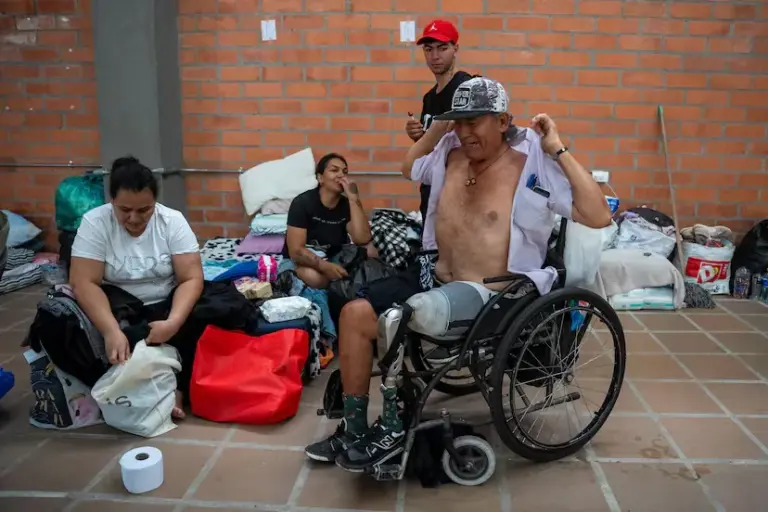
Don José Antonio González Parra, 70 years old, waits in a wheelchair in which he has been confined for nine months, after his left leg was amputated due to a complication from diabetes. The reduced mobility prevented him from evacuating the moment the ground shook until it destroyed the house where he lived. He lives alone and has survived for almost a year by the charity of the town, which occasionally buys him a raffle ticket. González was one of the most well-known bakers in town. His hands prepared the most famous breads, pandebonos, buñuelos, and cookies in Roldanillo. “I ended up very badly. I’m struggling to get at least a small lot, which I’ll cover with whatever and put my things there, but no one answers me.”
The roads of Valle del Cauca are full of trucks, private cars, and vehicles with humanitarian aid signs and Colombian flags. It is the solidarity caravan that has not stopped rolling since August 10 but cannot fill the void left by the tragedy. On a street in Roldanillo, a lady lifts a danger tape marking the limit on a street at risk of collapse. She crosses paths with a man who has lost everything and walks around the municipality carrying bags of cement on his shoulder.
-How did the tremor go, ma’am? —the man asks—. Did your house fall too?
-No, thank God nothing happened to me. I didn’t lose anything because I don’t have a house —she adds with a tone of irony bordering on cynicism before finishing:— I live in the park.
A heavy downpour over the weekend worsened the tragedy: water seeped through broken roofs, cracked walls, and damaged floors. Now Roldanillo and its victims must face the long and difficult path of reconstruction that no one had planned for.
Read more The new ECLAC report paves the way for the great transformation of Latin America and the Caribbean