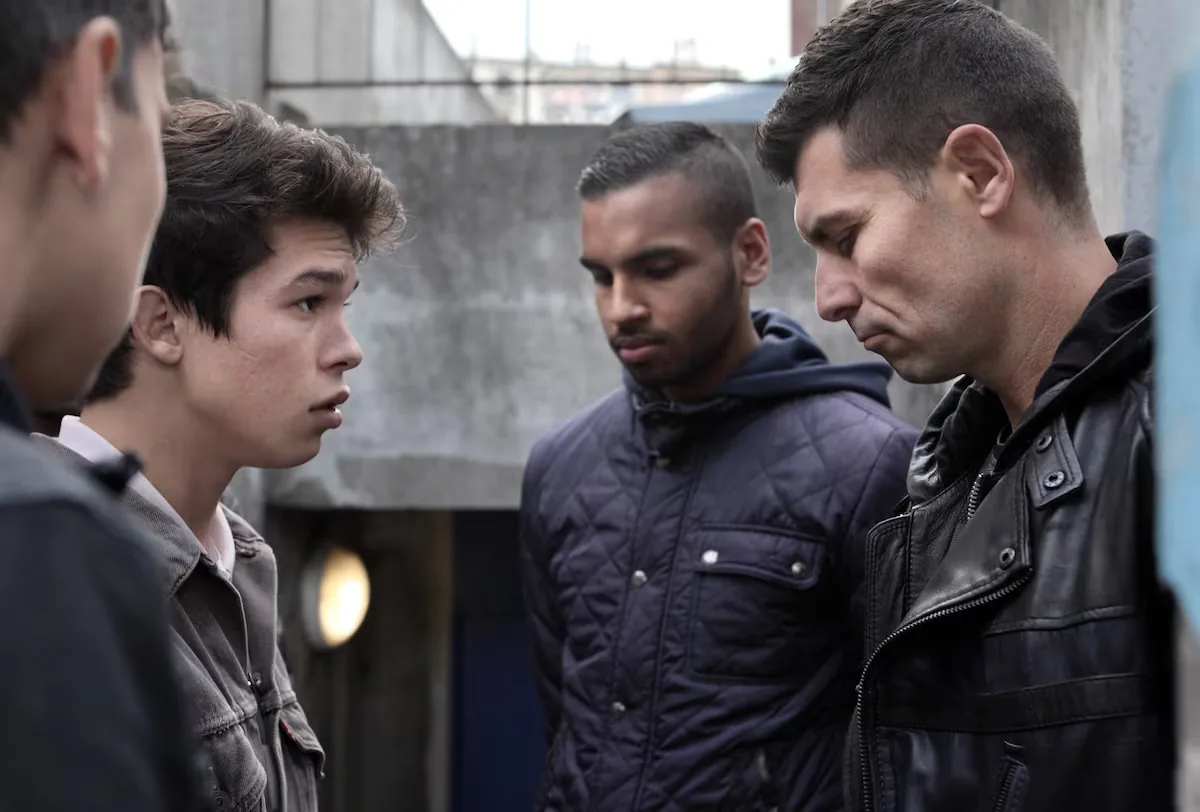









We are celebrating: four months later, a Spanish series produced by RTVE arrives at La 1’s prime time. We had to wait until April for the public broadcaster to finally commit to bringing a self-produced Spanish series to its prime time (it programmed Anatomía de un instante in February, but it was an acquisition from Movistar Plus+). The chosen one —in reality, almost the only option it had, because it only has the co-production Los 39 and the police drama Rojo sobre blanco in production, and that’s about it— has been Barrio Esperanza, which, after its premiere this Sunday, will air on Wednesdays after La Revuelta.
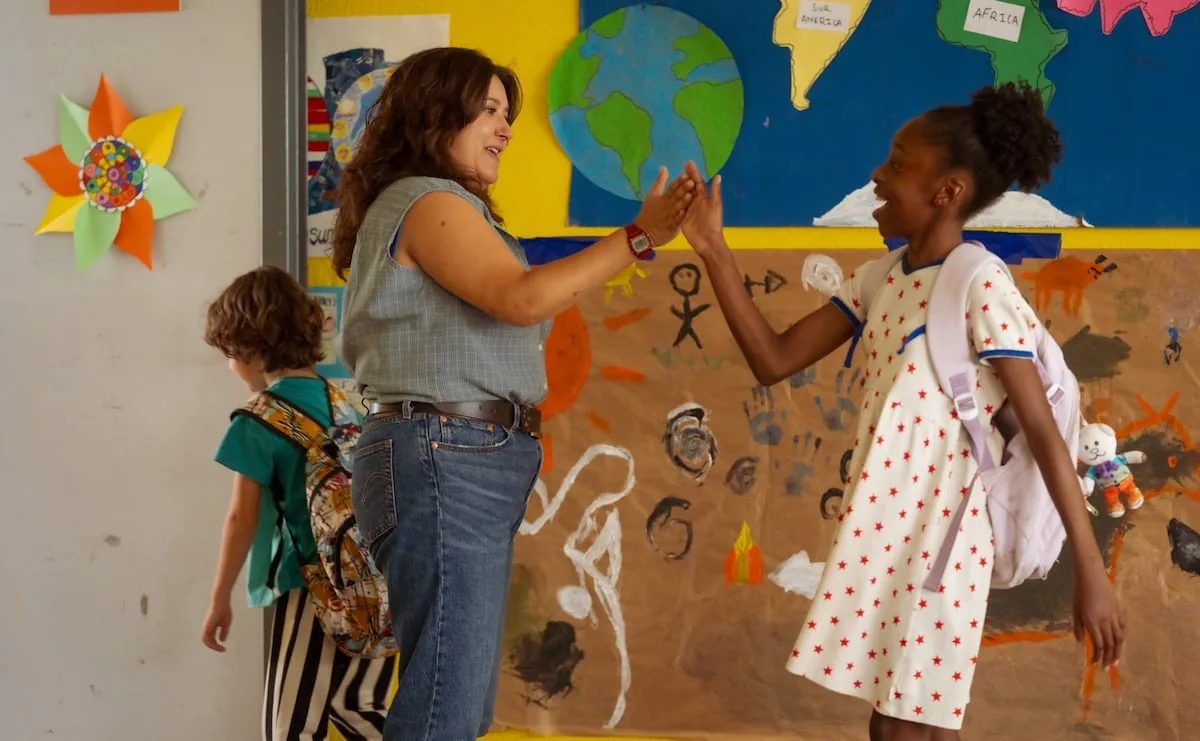
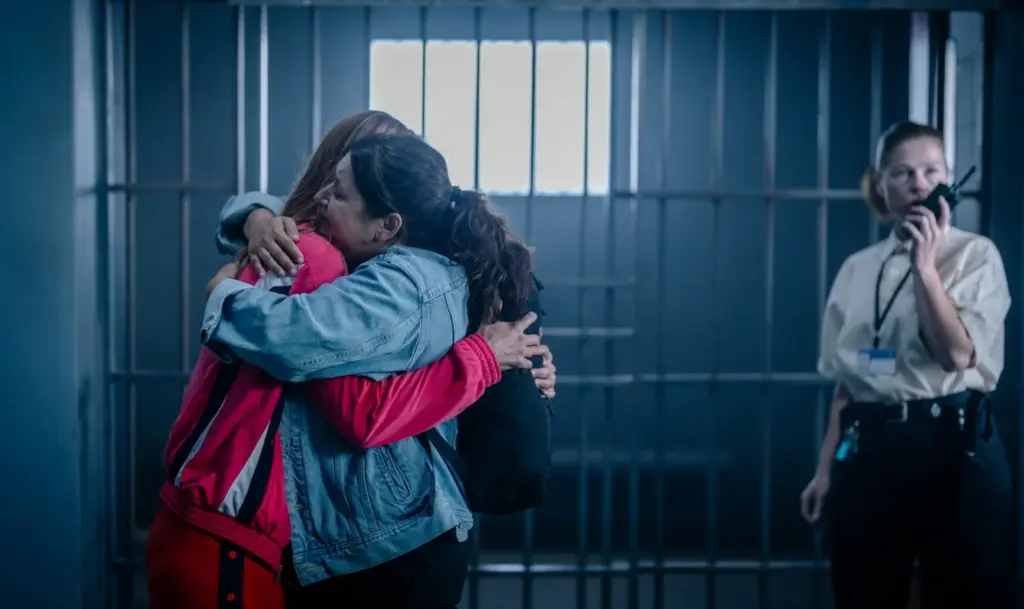
Created by Iván Escobar (El barco, Vis a vis, Los hombres de Paco) and Antonio Sánchez Olivas (Buscando el norte, Los Quién, Aída), this social comedy balances on a tightrope in its first episode (two episodes aired on Sunday, but only the first was watched for this review). The plot follows a woman, aptly named Esperanza (Hope), who, after more than eight years in prison for two drug trafficking convictions, is released reformed and with a teaching position at a public school. There she will encounter some reluctance from both the rest of the faculty and the Parents’ Association (AMPA), but not among the students: although she is tasked with dealing with the most problematic class, 5ºB, her natural abilities and others learned in prison help her quickly win the children’s favor.

It seems that La 1 has definitively gone back in terms of episode length, abandoning the much more appealing and international 50-60 minutes to recover the 70-80 minutes of Spanish television from years ago. In that time, the series combines very different tones. On the one hand, Barrio Esperanza is an acidic comedy with some funny gags, always with humor suitable for the whole family. On the other hand, it is also a comedy with dramatic undertones about the importance of second chances, reintegration, and forgiveness. Added to this is the focus on different social scourges: in that first episode, children who go to school without breakfast due to their families’ economic difficulties.
The excessive duration of the episode (the rest maintain this trend) hinders the result. While the first part of the episode, which shows the protagonist’s release from prison and her arrival at school with the consequent introduction of characters, is funny, agile, and well-conceived, the second half slows the pace, makes its messages very explicit, and adds so much sugar to the result that it suddenly seems like we are watching a different series. So much goodness, to the rhythm of Nada fue un error, sung by a children’s choir, ends up being cloying. However, the freshness of a cast with many unknown faces alongside more familiar ones, such as Mariona Terés, Alejo Sauras, and Mariano Peña, is appreciated, although some performances are too forced and histrionic at certain moments.
Read more Spain’s largest wetland is intentionally dried just one month after record rainfall
Barrio Esperanza didn’t have it easy. It’s not simple to keep the plot’s level or pace in such long episodes when viewers are already used to something else. Nor is it easy to return to the 70-minute-plus family dramedy, that typically Spanish genre that aims to encompass viewers from 10-year-olds (the age of the children in the series’ class) to older television viewers. There also seems to be a clear intention of public service behind it, sending good messages and conveying values, in addition to recognizing the work of teachers. All of this is commendable. But if we remain anchored in past forms and formats, we are only tripping ourselves up.
Returning to the beginning: beyond the successes and failures, the mere attempt alone is to be applauded. Hopefully, more national television fiction in the public channel’s prime time. If there’s more, there will be more good. And bad, and mediocre, but there will be more opportunities to hit the mark. We know that times have changed, that series are consumed differently now, but public television has a responsibility as a driving force for national fiction production and must find a way for series to also have a place in prime time, and not just celebrity contests or talk shows with comedians.
Update: The premiere of Barrio Esperanza was watched by an average of 1,611,000 viewers, with an average share of 15.3% for the two episodes aired. It was a leader ahead of Supervivientes (11.6%) and Una nueva vida (9.8%).
This week’s premieres
Check the full calendar
From
HBO Max
Season 4

American Classic
MGM+
Premiere

Storm Warning
Filmin
Premiere

The Unelected
Netflix
Premiere

Lisbon Noir
Amazon Prime Video
Premiere

Criminal Record
Apple TV
Season 2

Santita
Netflix
Premiere

The Tribute
SkyShowtime
Premiere

Stranger Things: Tales from ’85
Netflix
Premiere

Mismatch
Cosmo
Season 4
I Always Sometimes
Movistar Plus+
Premiere
The Teacher
Netflix
Season 2

A New Play
Netflix
Season 2

Half ManFeatured Series
HBO Max
Premiere
Dirty Girls
Amazon Prime Video
Premiere

If Wishes Could Kill…
Netflix
Premiere
Bandits of Today
Amazon Prime Video
Season 2